 0
0
 0
0
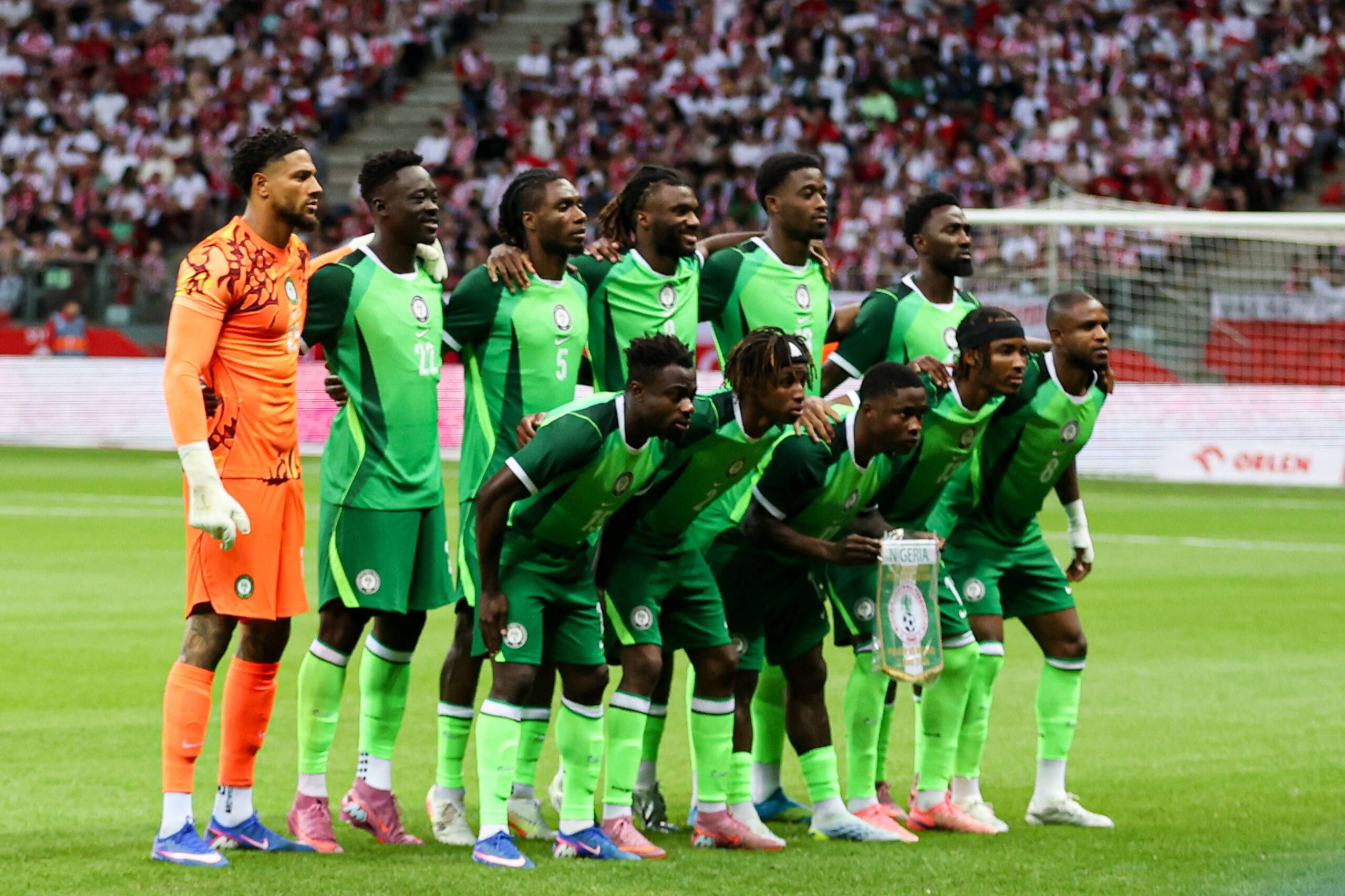
The Nigerian players World Cup 2026 narrative begins with disappointment for Nigerian fans, as the national team failed to qualify for the tournament.
Despite the expansion of the FIFA World Cup to 48 teams, Nigeria will not be part of the competition, extending its absence from the global stage.
A Tournament Bigger Than Ever Before
The 2026 edition will feature:
- 48 national teams
- 1,248 players in total squads
- Matches hosted across Canada, Mexico, and the United States
This expanded format increases global representation, making the absence of Nigeria more noticeable.
Nigeria’s Ongoing Qualification Struggles
Nigeria’s failure to qualify reflects:
- Inconsistent performances in qualification matches
- Tactical and structural challenges
- Strong competition from other African nations
Despite this, Nigerian influence remains visible through diaspora players.
Global Spread of Nigerian Heritage in Football
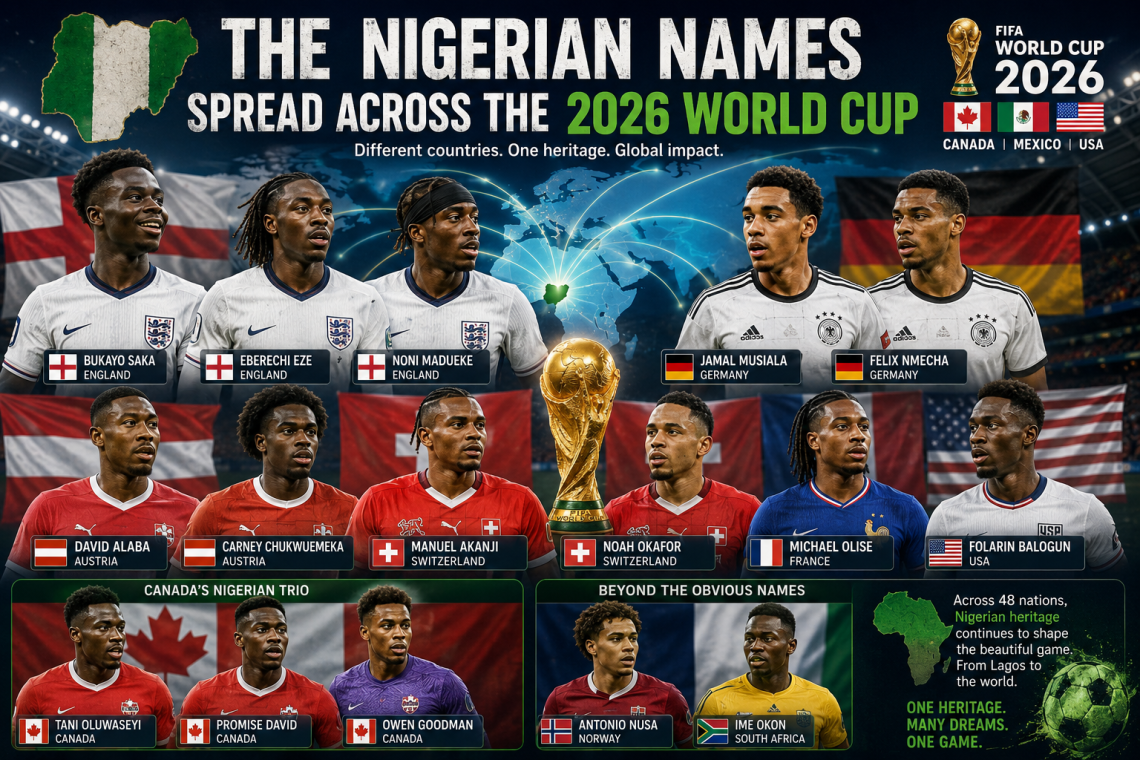
The Nigerian players World Cup 2026 presence is most visible through players representing countries across Europe and North America.
These athletes carry Nigerian heritage through parents or grandparents, reflecting decades of migration and global integration.
Key Nations with Nigerian-Rooted Players
Players with Nigerian backgrounds will represent:
- England
- Germany
- France
- Switzerland
- Austria
- United States
- Canada
- Norway
- South Africa
Nigerian Identity in Modern Football
These players often represent:
- Dual-national identities
- Multicultural upbringing
- International development pathways
Their presence highlights how football talent now develops across borders.
England’s Strong Nigerian Connection at World Cup 2026
England stands out in the Nigerian players World Cup 2026 discussion due to its strong representation of Nigerian-heritage footballers.
Key Players with Nigerian Roots
England’s squad includes:
- Bukayo Saka
- Eberechi Eze
- Noni Madueke
These players have become central figures in England’s attacking setup.
Rising Influence in English Football
These players represent:
- Premier League development systems
- Strong Nigerian family heritage
- A new generation of English-born talent
Impact on England’s Tournament Ambitions
England will rely heavily on this group as they aim to secure a long-awaited World Cup title.
Germany’s Nigerian Heritage Influence
Germany also features key players of Nigerian descent in the Nigerian players World Cup 2026 storyline.
Jamal Musiala’s Global Background
Jamal Musiala is one of the standout names:
- Born to a Nigerian father and German mother
- Developed through elite European academies
- Considered one of the tournament’s top midfield talents
Felix Nmecha’s Nigerian Roots
Another important player is:
- Felix Kalu Nmecha
- Midfielder with Nigerian heritage
- Represents Germany at international level
Germany’s Tactical Strength
These players contribute to:
- Midfield creativity
- Technical flexibility
- Youth-driven squad depth
Austria and Switzerland: Central European Impact
The Nigerian players World Cup 2026 influence extends into Central Europe through Austria and Switzerland.
Austria’s Key Nigerian-Linked Players
- David Alaba (captain and veteran leader)
- Carney Chukwuemeka (midfield talent)
Alaba remains one of Europe’s most established defenders.
Switzerland’s Nigerian Heritage Duo
- Manuel Akanji
- Noah Okafor
Both players developed through Swiss football systems and now play key international roles.
France, USA, and Canada Representation
North America and Europe also feature prominently in the Nigerian players World Cup 2026 spread.
France’s Michael Olise
- Son of a Nigerian father
- Developed in English football academies
- Now represents France at international level
United States: Folarin Balogun
- Born in New York to Nigerian parents
- Raised partly in England
- Key attacking option for the USA squad
Canada’s Growing Nigerian Football Influence
Canada features multiple Nigerian-rooted players:
- Tani Oluwaseyi (born in Abuja)
- Promise David
- Owen Goodman
These players reflect strong diaspora growth in Canadian football.
African and Global Reach Beyond Major Teams
The Nigerian players World Cup 2026 presence extends even further across emerging football nations.
Norway’s Antonio Nusa
- Nigerian father
- One of Europe’s rising young wingers
South Africa’s Ime Okon
- Carries Nigerian heritage
- Represents South Africa internationally
The Growing Nigerian Football Diaspora
The widespread presence of Nigerian-heritage players highlights a broader global trend.
Key Factors Behind the Trend
- Migration of Nigerian families worldwide
- Strong youth development systems abroad
- Dual-national eligibility rules in football
Impact on International Football
This trend leads to:
- Increased competition for national team selection
- Diverse squad compositionsGreater cultural representation in football

FAQ
Why are there so many Nigerian players at the World Cup 2026?
Many players with Nigerian heritage were born or raised abroad, especially in Europe and North America, and represent their countries of birth or development.
Which England players have Nigerian roots in World Cup 2026?
England features Bukayo Saka, Eberechi Eze, and Noni Madueke, all of whom have Nigerian heritage.
Why is Nigeria not playing in the 2026 World Cup?
Nigeria failed to qualify for the expanded 48-team tournament after a challenging qualification campaign.
Which countries have the most Nigerian-heritage players?
England, Germany, France, Switzerland, the United States, and Canada all feature multiple players with Nigerian backgrounds.
Conclusion
The Nigerian players World Cup 2026 story reflects a powerful global presence that extends far beyond Nigeria’s absence from the tournament. From Europe to North America, players of Nigerian heritage continue to shape international football at the highest level. Their widespread representation highlights both the strength of the Nigerian diaspora and the evolving nature of modern football identity.
Click here for more news