 0
0
 0
0
The China coal mine explosion 2026 has become one of the country’s deadliest industrial disasters in recent years after a gas blast at a coal mine in Shanxi province reportedly killed at least 90 people and left several others missing.
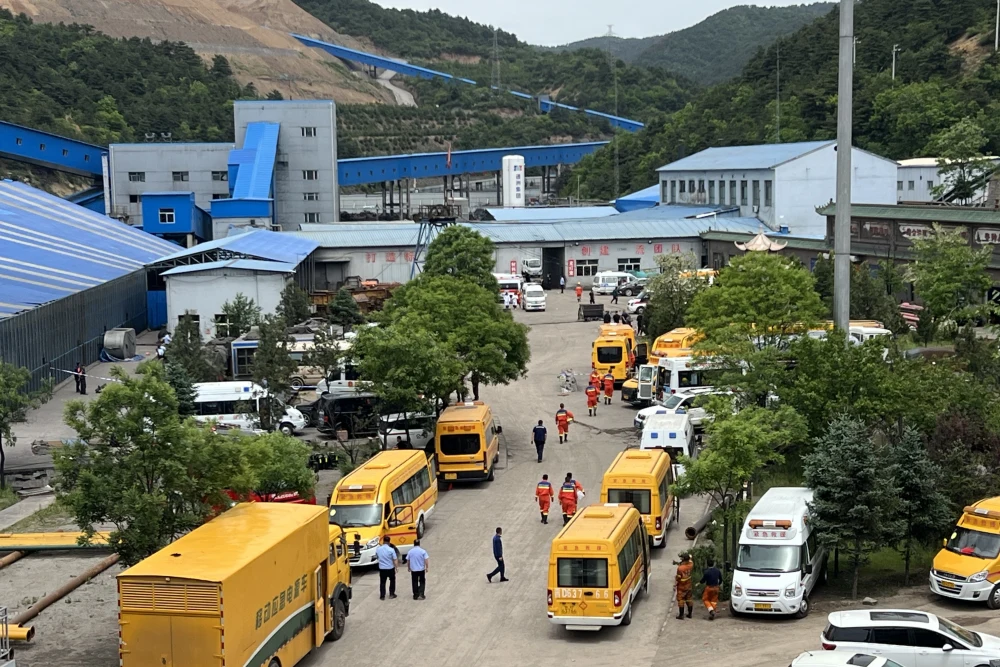
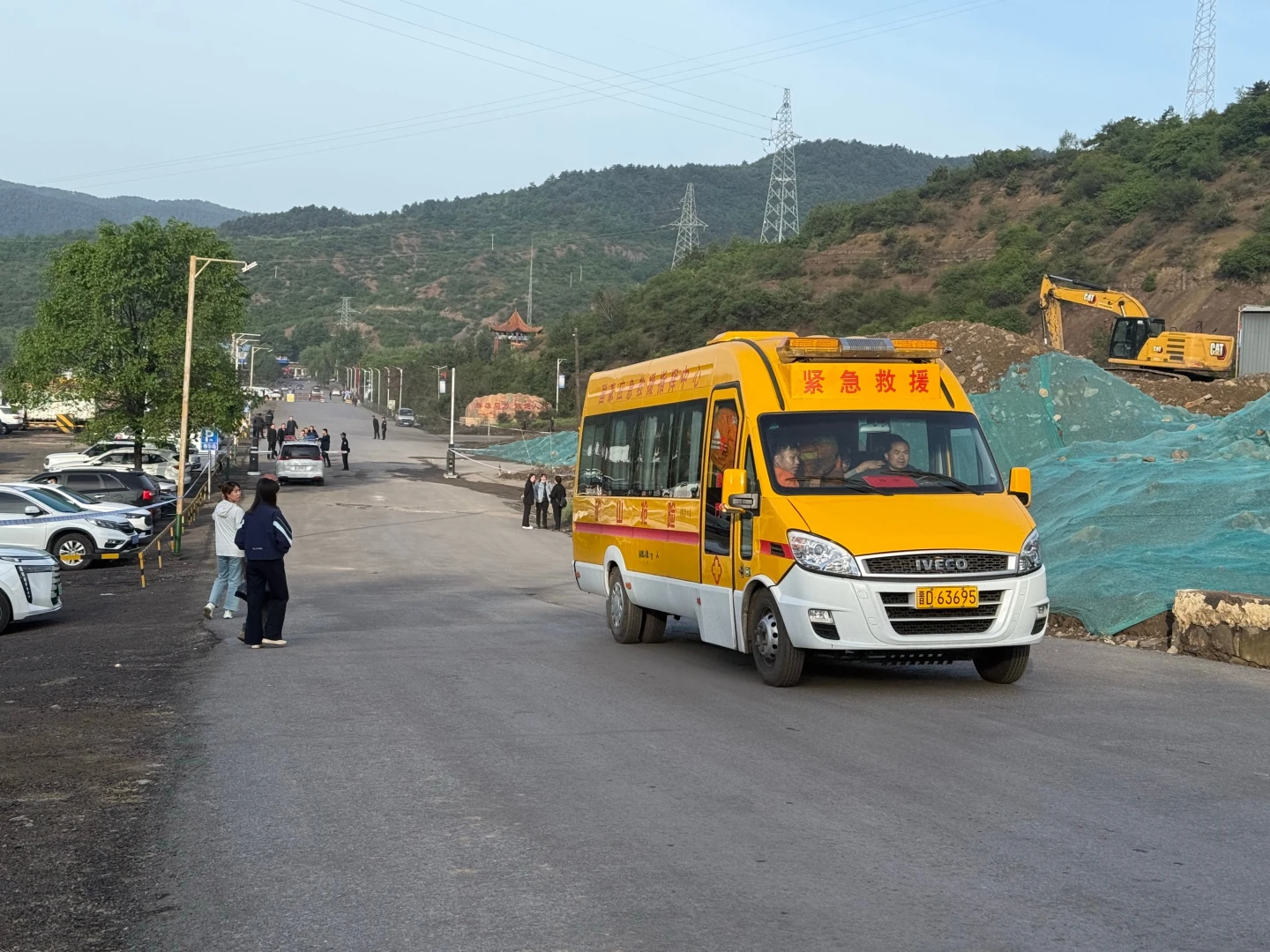
The explosion occurred at the Liushenyu coal mine in Changzhi city on Friday evening, according to Chinese state media reports. Rescue workers, emergency personnel, and medical teams were quickly deployed to the area as authorities attempted to locate missing miners and treat the injured.
Officials confirmed that hundreds of workers were present at the site when the explosion happened, raising concerns over mine safety standards and operational risks in one of China’s major coal-producing regions.
Deadly Explosion Hits Shanxi Coal Mine
The incident happened at the Liushenyu coal mine in northern China’s Shanxi province, a region widely known for coal production and mining activities.
Large Number of Workers Underground
Reports indicated that around 247 workers were on duty at the time of the explosion. Rescue teams later confirmed that at least 90 miners lost their lives during the disaster.
Several workers were also hospitalized after suffering injuries related to the blast and exposure to toxic gases.
Missing Miners Prompt Massive Rescue Effort
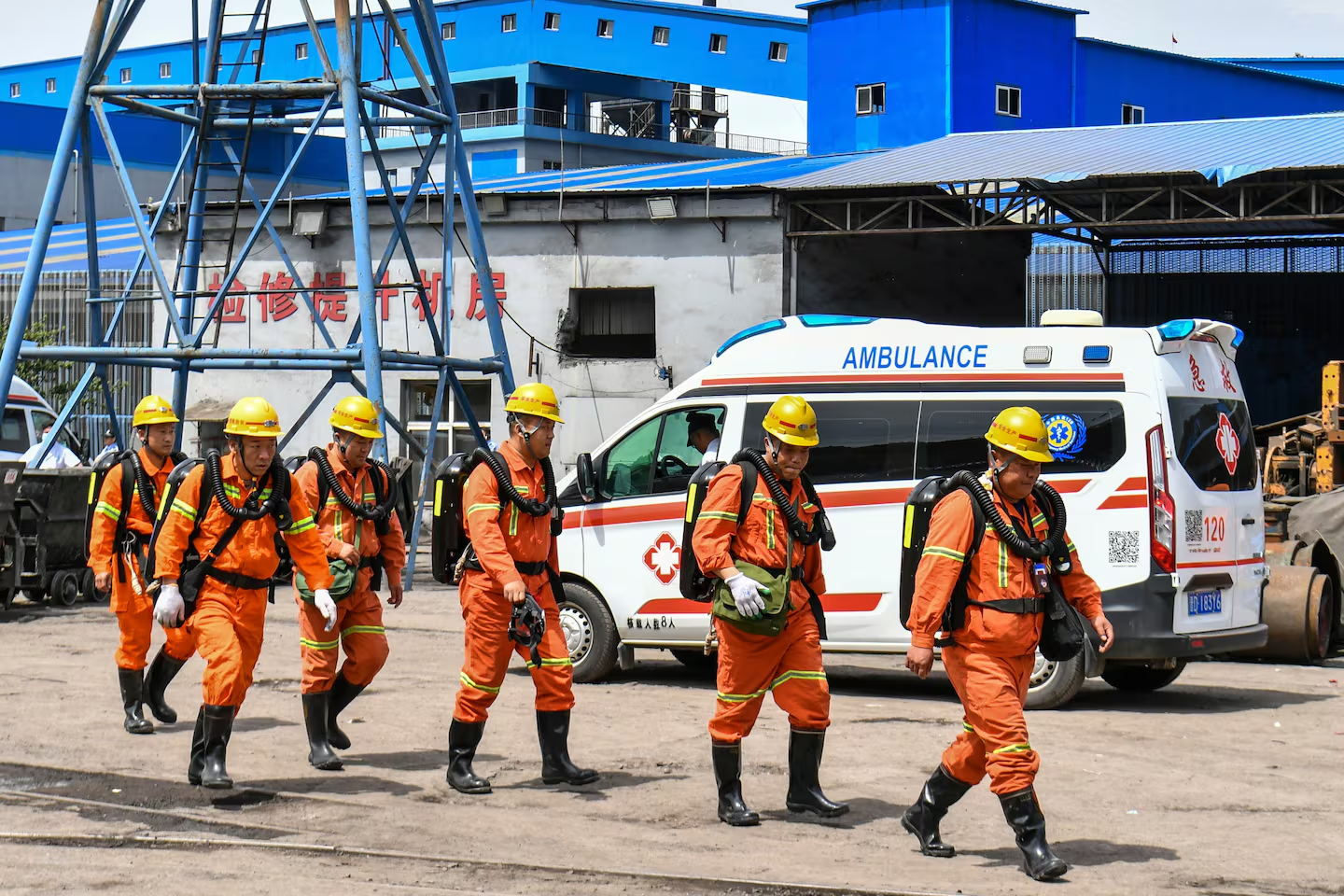
As rescue operations continued, authorities said several miners remained unaccounted for. Emergency teams searched underground tunnels while medical personnel treated survivors brought to nearby hospitals.
State media reported that more than 120 people were hospitalized following the explosion.
Rescue operations included:
- Emergency response teams
- Medical personnel
- Mine safety experts
- Fire and rescue officials
- Local government authorities
The China coal mine explosion 2026 has drawn nationwide attention due to the scale of the tragedy and the number of workers affected.
Investigation Into Cause of Explosion Begins
Chinese authorities have launched a formal investigation into the cause of the accident.
Gas Explosion Identified as Initial Cause
Early reports from state media suggested that the blast was triggered by gas accumulation inside the mine. Toxic gas exposure was also believed to be responsible for many of the injuries sustained by miners.
Mining accidents caused by methane gas explosions have historically been among the most dangerous incidents in underground coal operations.
Officials Examine Mine Safety Conditions
Investigators are expected to review:
- Ventilation systems
- Gas monitoring equipment
- Emergency evacuation procedures
- Worker safety compliance
- Operational management records
The mine had reportedly been included on a national list of disaster-prone coal mines in 2024 because of concerns linked to high gas content.
Company Executives Under Official Control
Authorities later confirmed that individuals responsible for the mining company involved had been placed under official control as investigations continued.
This step is commonly taken in China during major industrial accident investigations to prevent interference with evidence gathering and legal procedures.
President Xi Jinping Calls for Full Rescue Operation
Chinese President Xi Jinping called for an extensive rescue effort following the deadly incident.
Focus on Rescue and Accountability
According to official reports, Xi urged emergency workers to continue searching for missing miners while also ensuring proper medical treatment for the injured.
He also requested a thorough investigation into the accident and stressed the need for accountability under Chinese law.
National Attention on Mining Safety
The China coal mine explosion 2026 has renewed public attention on industrial safety standards in China’s mining sector.
Coal mining remains one of the country’s most important industries, supplying energy for factories, power generation, and heavy manufacturing. However, safety concerns have continued despite years of regulatory reforms.
Shanxi Province and China’s Coal Industry
Shanxi province plays a central role in China’s coal production network.
Major Coal-Producing Region
The province contains numerous large-scale mines and contributes significantly to national energy supply. Many mining communities in Shanxi depend heavily on coal operations for employment and economic activity.
The Liushenyu coal mine was reportedly operated by the Shanxi Tongzhou Coal & Coke Group and had an annual production capacity of approximately 1.2 million tons.
History of Mining Accidents in China
China has experienced several deadly mining accidents over the past decades, although official statistics show a gradual decline in fatalities due to tighter regulations and modernization efforts.
Common causes of coal mine accidents include:
- Gas explosions
- Tunnel collapses
- Flooding
- Equipment failure
- Poor ventilation systems
Despite safety improvements, experts say underground mining continues to carry serious risks, especially in mines with high methane concentrations.
Rescue Operations Continue at Disaster Site
Emergency response operations remained active through Saturday as rescue teams searched for survivors and recovered victims.
Medical Teams Treat Injured Workers
Hospitals in the region received large numbers of injured miners, many suffering from respiratory problems linked to toxic gas inhalation.
Medical personnel reportedly worked continuously to stabilize patients affected by smoke and gas exposure.
Difficult Conditions Underground
Rescue workers faced dangerous underground conditions while attempting to reach trapped miners.
Challenges included:
- Limited visibility
- Toxic gas presence
- Structural instability
- High temperatures
- Narrow underground passages
These conditions often complicate rescue efforts in coal mining disasters and can delay recovery operations.
Safety Concerns Around High Gas Coal Mines
One of the major issues highlighted by the China coal mine explosion 2026 is the danger associated with high-gas mining environments.
Why Methane Gas Is Dangerous
Methane gas naturally forms during coal extraction. If ventilation systems fail or gas builds up in enclosed areas, even a small spark can trigger a deadly explosion.
Mining companies typically use specialized monitoring systems to track gas levels underground.
Previous Warnings About the Mine
Reports indicated that the Liushenyu coal mine had previously been identified as a disaster-prone operation due to high gas content.
This has led to questions about:
- Risk management practices
- Enforcement of safety rules
- Regulatory oversight
- Emergency preparedness
Investigators are expected to examine whether proper precautions were followed before the explosion occurred.
Impact on China’s Mining Sector
The Shanxi mining disaster is expected to increase pressure on mining companies and regulators to strengthen workplace safety measures.
Possible Regulatory Changes
Following major industrial accidents, Chinese authorities often introduce stricter safety inspections and temporary production suspensions in high-risk mines.
Industry analysts believe the latest disaster could result in:
- Expanded mine inspections
- Stricter gas monitoring rules
- Improved worker safety training
- Tighter operational oversight
Concerns Over Energy Demand and Safety
China remains heavily dependent on coal for energy production, especially during periods of high industrial demand.
Balancing energy needs with worker safety continues to be a major challenge for mining authorities and operators across the country.
The China coal mine explosion 2026 may influence future discussions about industrial safety reforms and energy sector regulations.
FAQ
What caused the China coal mine explosion 2026?
Initial reports suggest the explosion was caused by accumulated gas inside the Liushenyu coal mine in Shanxi province. Authorities are still conducting a formal investigation.
How many people died in the Shanxi coal mine disaster?
State media reported that at least 90 people were killed in the explosion, while several others remained missing during ongoing rescue efforts.
Where did the China coal mine explosion happen?
The explosion occurred at the Liushenyu coal mine in Changzhi city, located in China’s northern Shanxi province.
Why is Shanxi province important to China’s coal industry?
Shanxi is one of China’s largest coal-producing regions and plays a major role in supplying coal for electricity generation and industrial use.
The deadly explosion at the Liushenyu coal mine has once again highlighted the dangers associated with underground coal mining operations. As rescue efforts and investigations continue, attention remains focused on worker safety, regulatory oversight, and the long-term future of mining safety standards in China.
Click here for more news