 0
0
 0
0
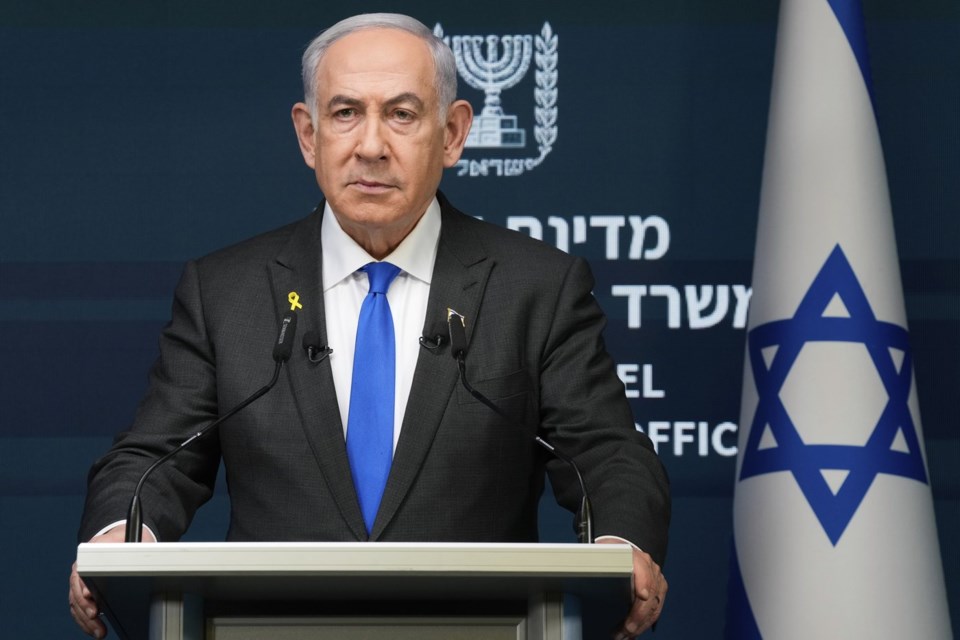
Israel Lebanon displacement strikes 2026 developments have intensified following reports that Lebanese President Joseph Aoun rejected a proposed meeting involving Israeli Prime Minister Benjamin Netanyahu. The situation has added new diplomatic strain to an already fragile security environment along the Israel-Lebanon border.
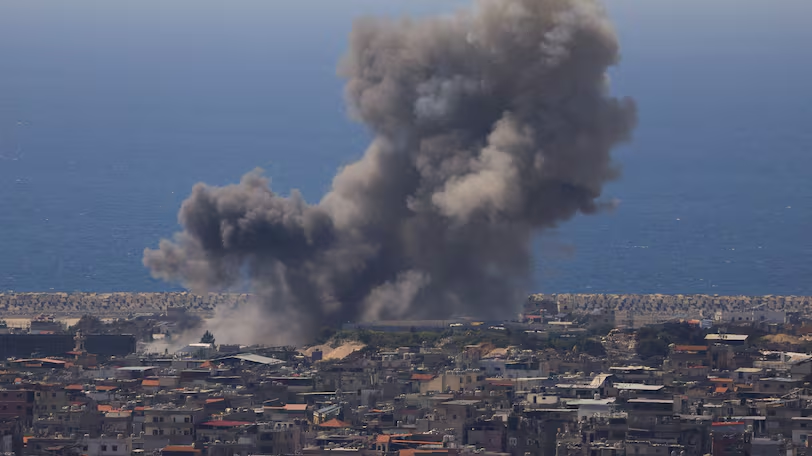
Military activity, displacement concerns, and renewed airstrikes have increased attention on the broader regional conflict, with international observers monitoring the possibility of further escalation. The developments come amid ongoing tensions involving border security, ceasefire negotiations, and political disagreements between regional actors.
Rising Tensions Along the Israel-Lebanon Border
Cross-border tensions between Israel and Lebanon have remained unstable for months, particularly in southern Lebanon where exchanges of fire and military operations have affected civilian communities.
Recent reports indicate that Israeli military operations expanded in several border-adjacent areas following diplomatic disagreements connected to the proposed meeting between Lebanese President Joseph Aoun and Israeli Prime Minister Benjamin Netanyahu.
Increased Military Activity Reported
Security analysts and regional observers reported:
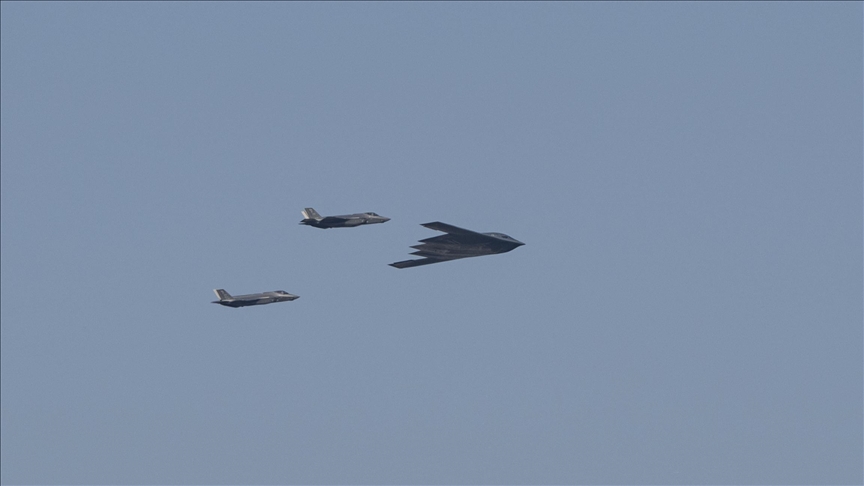
- Airstrikes targeting suspected militant infrastructure
- Heightened surveillance activity
- Increased troop positioning near border regions
- Evacuation warnings in some affected communities
The growing military activity has raised concerns among humanitarian organizations about civilian safety and displacement risks.
Background Behind the Reported Rejected Meeting
The reported diplomatic disagreement involving President Joseph Aoun and Prime Minister Netanyahu has become a central focus in the latest developments.
Why the Meeting Drew Attention
The proposed meeting was reportedly viewed as a possible diplomatic channel aimed at reducing regional tensions and discussing border-related security concerns.
However, reports suggesting that the Lebanese leadership declined the engagement added political sensitivity to the already tense regional environment.
Lebanon’s Political Position
Lebanese officials have historically maintained a cautious stance regarding direct diplomatic engagement with Israeli leadership due to:
- Longstanding political disputes
- Security concerns
- Domestic political pressures
- Ongoing border disagreements
The issue remains highly sensitive within Lebanese politics and regional diplomacy.
Displacement Concerns Grow in Southern Lebanon
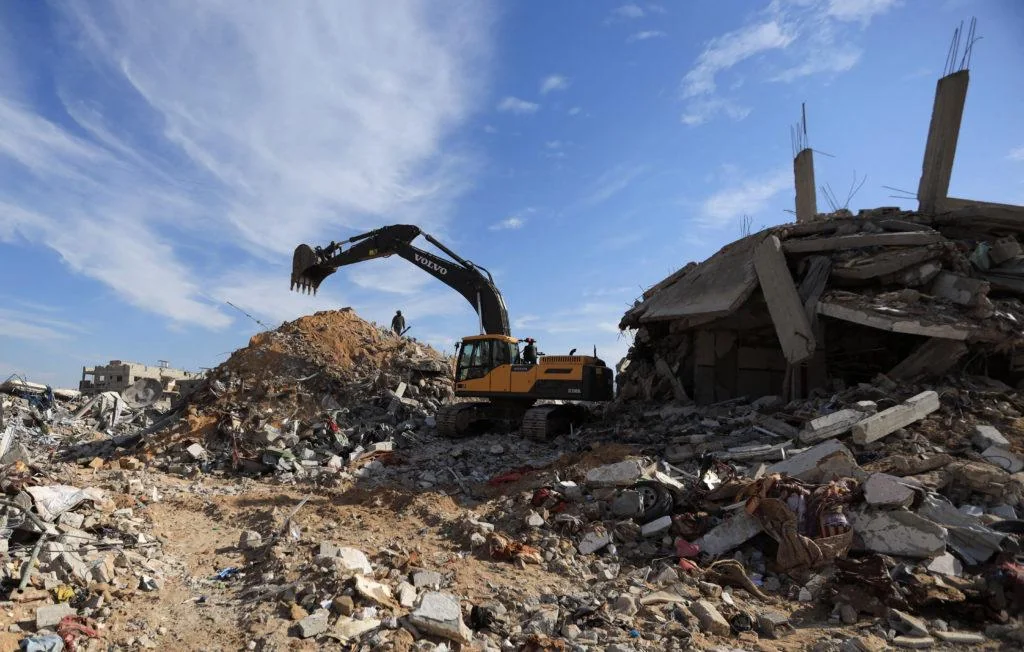
The Israel Lebanon displacement strikes 2026 situation has also drawn attention to the humanitarian impact of renewed military operations.
Civilians Leaving Affected Areas
Local reports and humanitarian agencies indicated that some residents in southern Lebanon began relocating from areas closer to military activity.
Main Reasons for Displacement
Families cited concerns including:
- Fear of escalating airstrikes
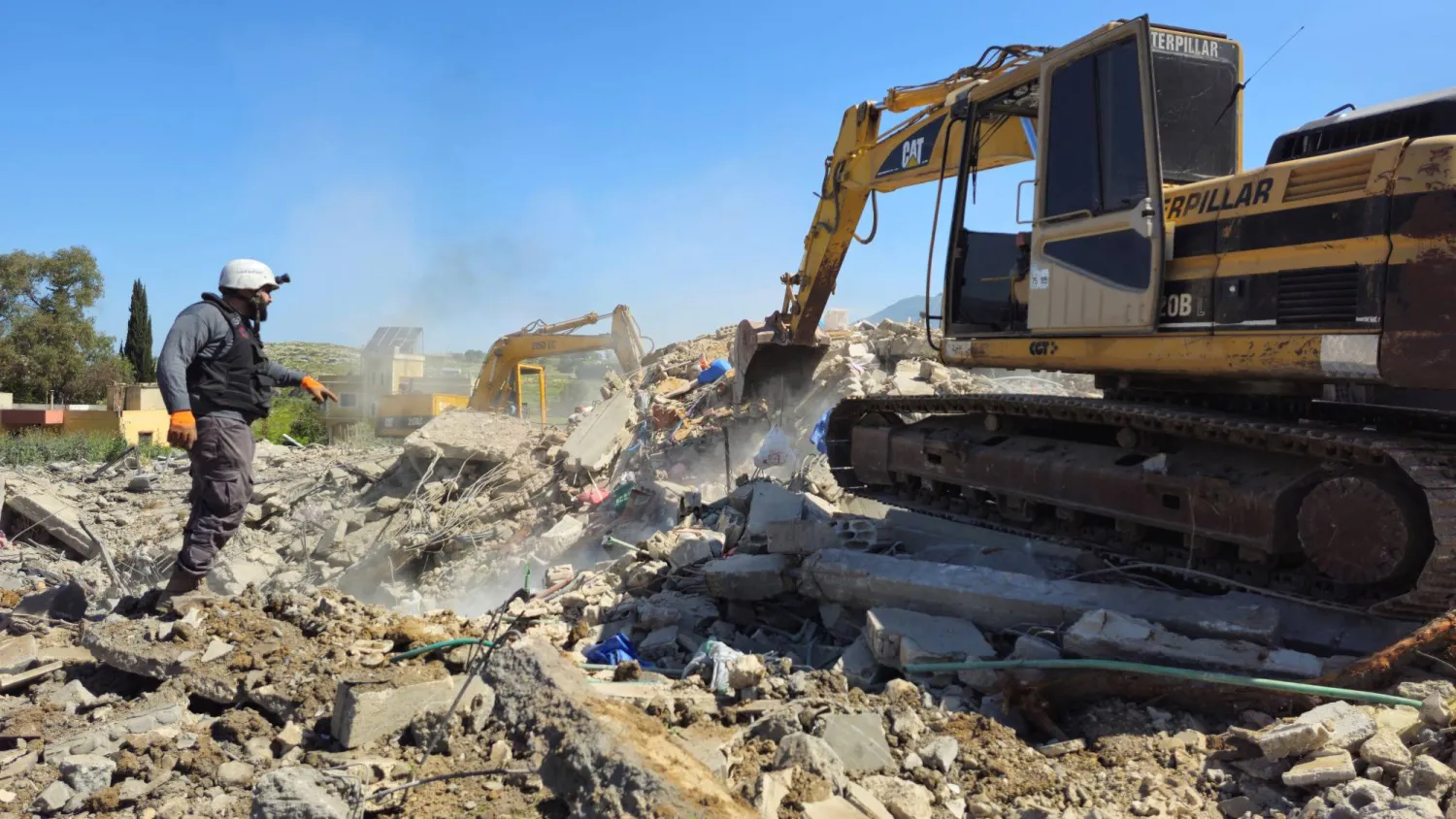
- Damage to infrastructure
- Uncertainty over security conditions
- Disruption of schools and local services
Humanitarian groups warned that prolonged instability could place additional pressure on already vulnerable communities.
Impact on Infrastructure and Services
Several local communities reportedly experienced disruptions affecting:
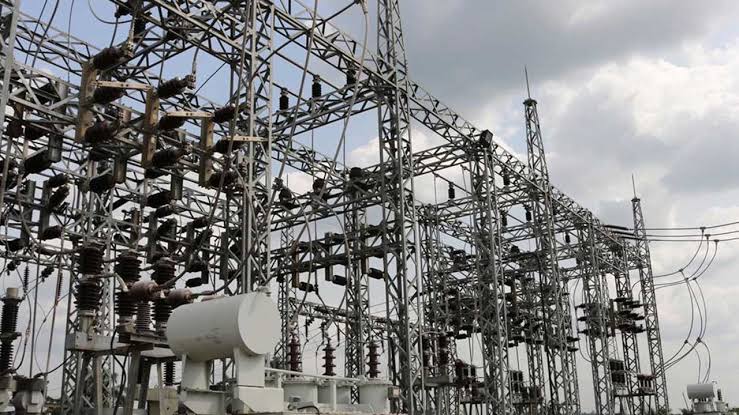
- Electricity supply
- Transportation routes
- Telecommunications
- Medical access
The extent of the damage remains under assessment in some locations.
Israel’s Security Position and Military Strategy
Israeli officials have repeatedly stated that military operations near the Lebanon border are linked to national security concerns and efforts to counter militant threats.
Focus on Border Security
Israeli military strategy in the region has centered on:
- Preventing cross-border attacks
- Monitoring armed group activities
- Responding to security threats
- Protecting northern communities
Officials have argued that military actions are intended to reduce risks posed by armed organizations operating near the border.
International Monitoring of Escalation Risks
The United Nations and several international governments have continued to monitor developments closely.
Diplomatic observers expressed concern that continued escalation could increase instability across the region and complicate ceasefire discussions.
Regional and International Reactions
The latest Israel Lebanon displacement strikes 2026 developments triggered reactions from regional governments and international organizations.
Calls for Restraint
Several diplomatic representatives urged both sides to avoid actions that could worsen the conflict.
Key International Concerns
Observers highlighted risks including:
- Wider regional instability
- Civilian displacement
- Damage to infrastructure
- Disruption of humanitarian access
International agencies also renewed calls for dialogue and de-escalation efforts.
Humanitarian Organizations Respond
Aid organizations operating in Lebanon and neighboring areas have reportedly increased preparedness measures in response to the possibility of larger displacement waves.
Some groups also called for:
- Safe humanitarian corridors
- Protection of civilians
- Emergency medical support
- Continued access to essential services
Historical Context of Israel-Lebanon Tensions
The Israel-Lebanon border has experienced repeated periods of conflict over several decades.
Key Historical Factors
Major issues contributing to tensions include:
- Border disputes
- Armed group activity
- Political instability
- Regional power struggles
Past conflicts have resulted in significant humanitarian and economic consequences for communities on both sides of the border.
Ceasefire Challenges
Although ceasefire agreements and monitoring mechanisms have occasionally reduced violence, violations and periodic escalations have continued to occur.
Analysts note that political disagreements often complicate long-term stabilization efforts.
Potential Impact on Regional Stability
Experts believe the current situation could influence broader Middle East diplomatic and security dynamics.
Economic and Political Effects
Possible consequences include:
- Increased humanitarian costs
- Pressure on regional diplomacy
- Disruptions to trade and transportation
- Heightened political tensions
The situation may also affect ongoing international mediation initiatives.
Concerns Over Wider Escalation
Security analysts warned that prolonged military exchanges could risk involving additional regional actors if diplomatic solutions are not pursued.
However, several governments continue to support efforts aimed at preventing a broader conflict.
Frequently Asked Questions
Why are tensions rising between Israel and Lebanon in 2026?
Tensions increased following renewed military activity, border security concerns, and reports connected to a rejected diplomatic meeting involving Lebanese President Joseph Aoun and Israeli Prime Minister Benjamin Netanyahu.
What areas are affected by the recent strikes?
Reports mainly focused on southern Lebanon and border-adjacent communities affected by airstrikes and military operations.
Are civilians being displaced in Lebanon?
Yes, some residents reportedly relocated from affected areas due to security concerns and fears of escalating violence.
What has the international community said about the situation?
International organizations and governments have largely called for restraint, de-escalation, and protection of civilians.
Conclusion
The Israel Lebanon displacement strikes 2026 crisis highlights the continued fragility of regional security conditions along the Israel-Lebanon border. Renewed military activity, humanitarian concerns, and diplomatic tensions have increased fears of broader instability.
While international actors continue urging restraint and dialogue, the evolving situation remains closely watched due to its potential impact on regional peace, civilian safety, and diplomatic relations across the Middle East.
click here for more news