 0
0
 0
0
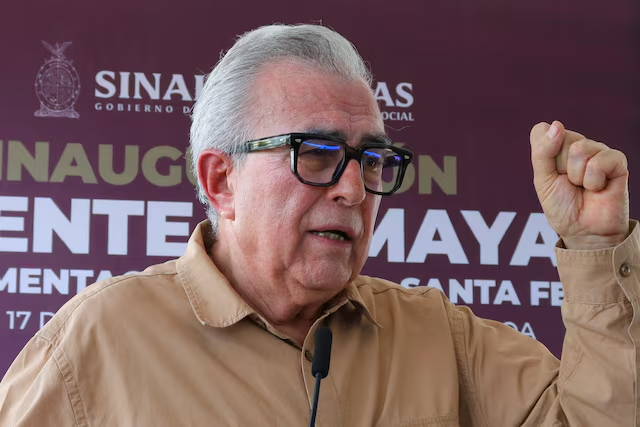
The Sinaloa governor cartel accusations have triggered a major political development in Mexico after Rubén Rocha, the governor of the country’s Sinaloa state, announced he would temporarily step aside following allegations from the United States linking him to organized crime groups.
The move comes as both Mexican and US authorities continue to examine claims involving alleged connections between public officials and one of Mexico’s most powerful criminal organizations. Rocha has strongly denied the allegations, insisting on his innocence while stepping aside to allow investigations to proceed.
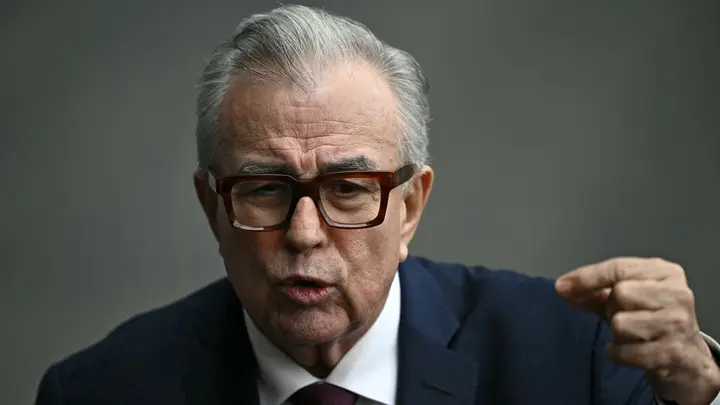
Governor Rubén Rocha Steps Aside Amid Investigation
The decision by Rubén Rocha marks a significant moment in the ongoing Sinaloa governor cartel accusations case, as the state leader temporarily withdraws from his position during a local inquiry.
Official Announcement of Temporary Withdrawal
In a televised statement, Rocha confirmed that he would step away from his duties while investigations are ongoing. He stated that he would cooperate with authorities and maintain confidence in the legal process.
Key points from his statement include:
- Temporary departure from gubernatorial duties
- Cooperation with ongoing investigations
- Rejection of all allegations against him
Claim of Innocence
Rocha maintained that he acted with integrity throughout his time in office, saying he had “a clean conscience” and would clear his name through legal channels.
US Accusations and Alleged Cartel Links
The Sinaloa governor cartel accusations originated from claims made by US authorities, who allege that Rocha and other officials were involved in activities linked to the Sinaloa Cartel.
Nature of the Allegations
According to reports, the accusations include:
- Alleged facilitation of drug trafficking operations
- Claims of coordination with cartel members
- Involvement in large-scale narcotics importation networks
These allegations have not been publicly proven in court.
Broader US Indictment
The US indictment reportedly extends beyond Rocha, naming several current and former Mexican officials suspected of involvement in cartel-related activities.
Political Impact in Mexico
The situation has created political tension within Mexico, especially given Rocha’s association with the ruling political movement.
Connection to Morena Party Leadership
Rocha is a member of the Morena party, which also includes Mexico’s current leadership. This has made the Sinaloa governor cartel accusations particularly sensitive at the national level.
Key political links include:
- Alignment with President Claudia Sheinbaum’s party
- Long-standing association with former President Andrés Manuel López Obrador
- Influence within regional political structures
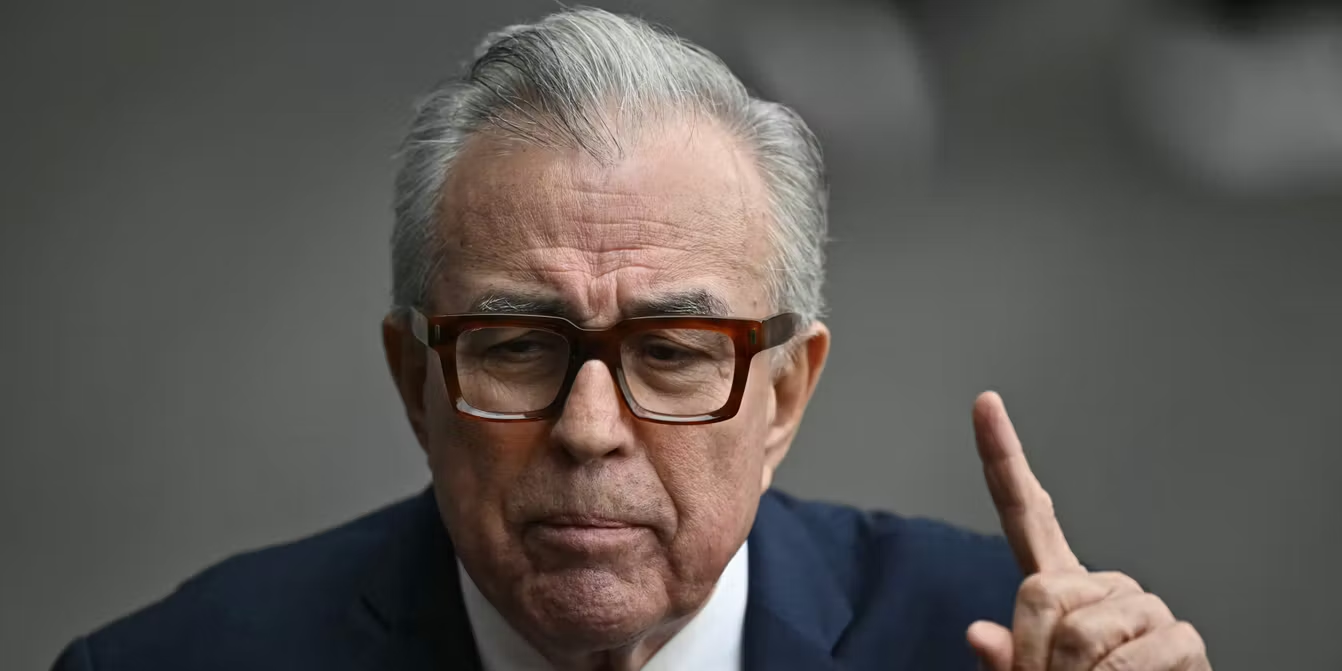
National Political Sensitivity
The case has intensified debates over:
- Government transparency
- Corruption within public institutions
- Political accountability in high-profile investigations
US-Mexico Relations and Sovereignty Concerns
The allegations have also affected diplomatic relations between the United States and Mexico, particularly regarding issues of sovereignty and law enforcement cooperation.
Tension Over Foreign Intervention
Mexican leadership has expressed concerns about external pressure, especially amid growing US actions targeting cartels.
Key issues include:
- Concerns over US influence in domestic affairs
- Disputes over extradition requests
- Calls for evidence-based legal cooperation
Mexico’s Response to US Pressure
Mexican authorities have emphasized that any legal action must follow proper judicial procedures and be supported by verified evidence before enforcement.
Sinaloa Cartel Context and Security Concerns
The Sinaloa governor cartel accusations are linked to the broader issue of organized crime influence in the region.
Role of the Sinaloa Cartel
The Sinaloa Cartel is widely recognized as one of Mexico’s most powerful criminal organizations, known for:
- International drug trafficking operations
- Cross-border smuggling networks
- Influence in certain regional areas
Government Efforts Against Organized Crime
Both Mexico and the United States have long collaborated on efforts to combat cartel activity, including:
- Intelligence sharing
- Joint security operations
- Extradition agreements
Public Reaction and Political Debate
The case has sparked debate among Mexican citizens and political observers regarding corruption and foreign involvement.
Domestic Concerns About Corruption
Public concerns include:
- Possible links between officials and organized crime
- Trust in political institutions
- Transparency in investigations
Debate Over US Role
At the same time, there is sensitivity regarding perceived external pressure, with many emphasizing the importance of national sovereignty.
Rocha’s Defense and Legal Position
Despite stepping aside, Rocha has strongly denied all accusations and pledged to defend himself through legal channels.
Public Statement on Innocence
Rocha stated that:
- He denies any wrongdoing
- He remains confident in judicial processes
- He will cooperate with investigations
Ongo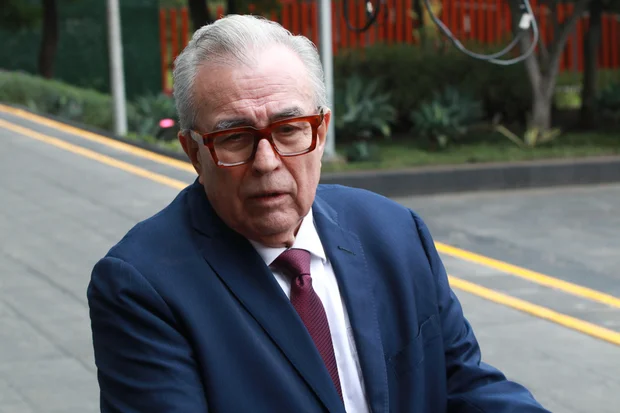 ing Legal Process
Authorities in both countries are expected to continue reviewing evidence before any formal legal conclusions are reached.
Frequently Asked Questions (FAQ)
Why did the Sinaloa governor step aside?
Governor Rubén Rocha stepped aside to allow investigations into US allegations of cartel ties to proceed without political interference.
What are the accusations against him?
US authorities allege possible involvement of Mexican officials in facilitating drug trafficking linked to the Sinaloa Cartel.
Has the governor been proven guilty?
No. As of now, no court has proven the allegations, and Rocha has denied all wrongdoing.
How does this affect US-Mexico relations?
The case adds tension to diplomatic relations, especially regarding sovereignty, extradition, and anti-cartel cooperation.
Conclusion
The Sinaloa governor cartel accusations have placed Governor Rubén Rocha at the center of a major political and diplomatic controversy. While he denies any wrongdoing and has stepped aside temporarily, investigations continue in both Mexico and the United States. The case highlights ongoing concerns about corruption, organized crime, and the delicate balance between sovereignty and international security cooperation.
Click here for more news