 0
0
 0
0
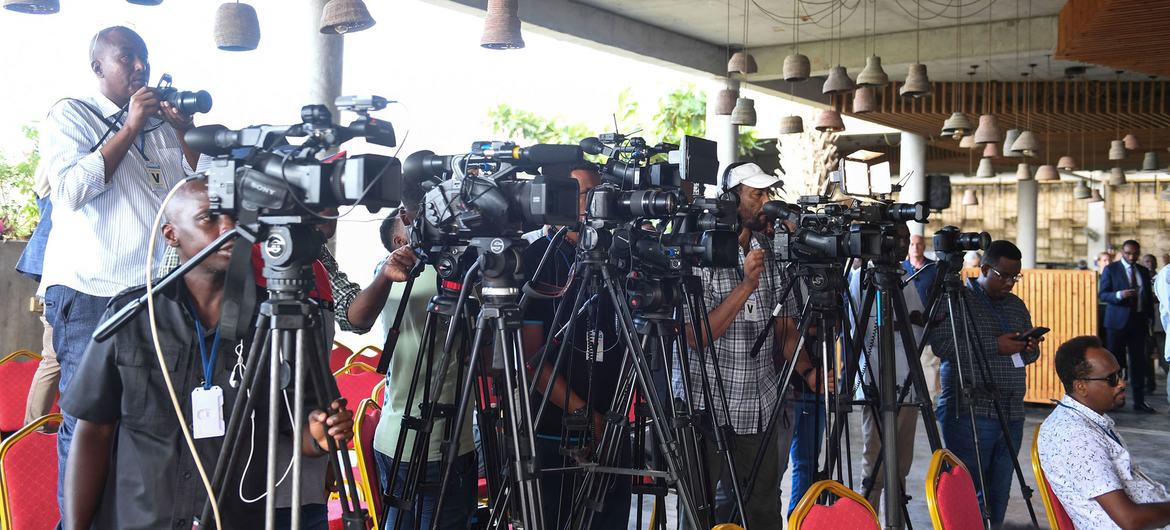
The UN warns attacks on journalists worldwide are increasing, with media workers facing growing risks across conflict zones and even in countries considered stable. Ahead of World Press Freedom Day, global leaders highlighted the urgent need to protect press freedom and ensure accountability for crimes against journalists.
UN Highlights Growing Threats to Media Workers
According to United Nations human rights officials, journalism is becoming increasingly dangerous. The warning comes amid a rise in violence, intimidation, and restrictions targeting reporters globally.
Statement From Volker Türk
Volker Türk emphasized that attacks on the press threaten fundamental freedoms. He warned that when violence against journalists becomes normalized, it undermines peace, security, and sustainable development.
He noted that the UN warns attacks on journalists worldwide are not isolated incidents but part of a broader pattern affecting nearly every region.
Journalism as a High-Risk Profession
Media workers continue to face serious threats, including:
- Physical attacks and targeted killings
- Arrests and detention
- Abductions and harassment
- Job loss and intimidation
These risks highlight the increasingly fragile state of press freedom globally.
Rising Death Toll Among Journalists
The UN warns attacks on journalists worldwide have led to a growing number of fatalities in recent years.
Recent Statistics
Key figures underline the severity of the situation:
- At least 14 journalists killed since January 2026
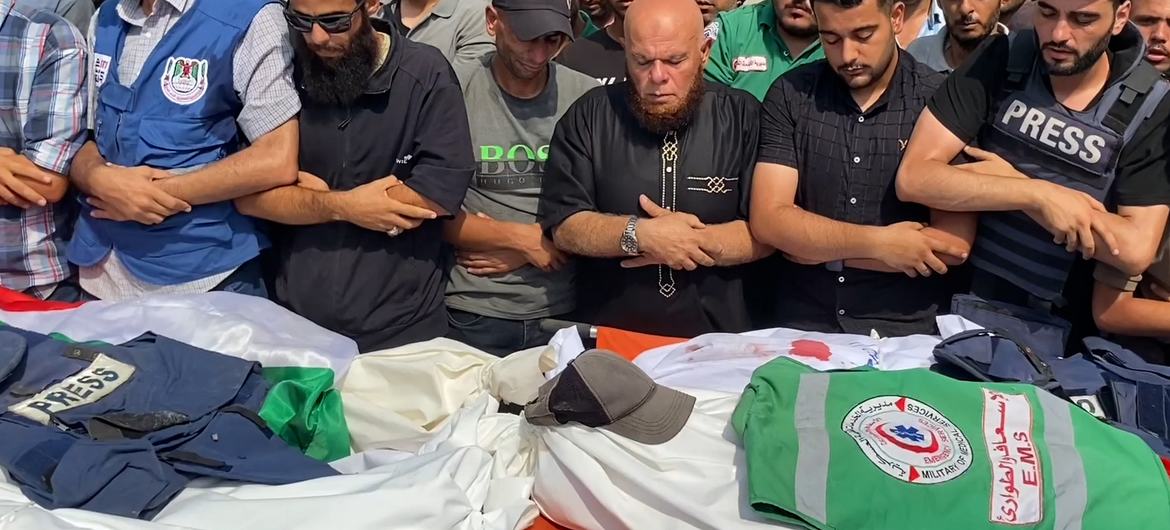
- Nearly 300 journalists killed in Gaza since October 2023
- Only a small fraction of cases leading to accountability
These numbers reflect both the dangers journalists face and the lack of justice in many cases.
Conflict Zones Pose Highest Risk
Covering armed conflicts remains the most dangerous assignment for reporters. Journalists in war zones often operate without adequate protection, making them especially vulnerable.
Middle East Conflict and Media Safety
The ongoing conflict in the Middle East has significantly impacted journalist safety.
Gaza Described as a “Death Trap”
UN officials described the situation in Gaza as extremely dangerous for media workers. The high number of casualties among journalists reflects the intensity of the conflict.
Lebanon Emerges as Deadliest Location in 2026
So far in 2026, Lebanon has recorded the highest number of journalist deaths. This highlights how risks are not limited to one area but extend across multiple regions.
The UN warns attacks on journalists worldwide are escalating in both conflict and non-conflict environments.
Global Challenges Facing Press Freedom
Beyond physical violence, journalists face a range of systemic challenges that threaten their work.
Legal and Political Pressures
Authorities in various countries have used laws to restrict media activities. These include:
- Defamation and disinformation laws
- Cybercrime and anti-terrorism regulations
- Legal actions aimed at silencing reporting
Such measures can limit the ability of journalists to report freely.
Economic and Institutional Strain
Media organizations are also dealing with financial pressures. In many countries:
- Funding cuts are forcing news outlets to close
- Media ownership concentration is increasing
- Independent journalism is becoming harder to sustain
These factors contribute to a weakening media landscape.
Online Harassment and Digital Threats
The UN warns attacks on journalists worldwide are not limited to physical violence but extend into the digital space.
Impact of Online Abuse
Journalists increasingly face harassment online, including:
- Threats and intimidation
- Smear campaigns
- Targeted abuse on social media
Gender-Specific Risks
Women journalists are particularly affected, with a significant percentage experiencing gender-based harassment and threats. This creates additional barriers to participation in the profession.
Attacks on Press Freedom Worldwide
The UN warns attacks on journalists worldwide reflect a broader decline in press freedom.
“No Safe Country” Warning
Officials stressed that no country can be considered completely safe for journalists. Even in nations with established democratic systems, risks persist.
Examples of Global Risks
- In Mexico, journalists face threats linked to reporting on crime and corruption
- Reports of surveillance and targeting of journalists abroad
- Increased transnational repression
These examples illustrate the widespread nature of the issue.
Calls for Action From the United Nations
Global leaders are urging governments and institutions to take concrete steps to address the situation.
Recommendations to Governments
The UN has called for:
- Stronger protections for journalists
- Investigation and accountability for attacks
- Reforms to laws that restrict press freedom
Role of Technology Companies
Tech companies are also encouraged to:
- Address online harassment
- Combat disinformation
- Improve platform safety for journalists
Importance of Media Integrity
Maintaining independence and transparency within media organizations is seen as essential for rebuilding trust and resilience.
Journalists Continue Despite Risks
Despite the dangers, many journalists remain committed to their work. Reports indicate that media workers continue covering stories even under extreme conditions, driven by the importance of informing the public.
The UN warns attacks on journalists worldwide must be addressed urgently to ensure that the flow of accurate information is not disrupted.
FAQ Section
Why is the UN warning about attacks on journalists?
The UN has observed a global increase in violence, harassment, and restrictions targeting media workers, threatening press freedom.
Which regions are most dangerous for journalists?
Conflict zones such as Gaza and countries like Lebanon currently pose the highest risks, but threats exist worldwide.
What challenges do journalists face besides physical attacks?
They face legal pressures, economic difficulties, online harassment, and surveillance, all of which limit their ability to work freely.
What actions has the UN recommended?
The UN has called for stronger protections, accountability for attacks, legal reforms, and action against online abuse.
Conclusion
The UN warns attacks on journalists worldwide highlight a critical challenge facing modern societies. As threats to media workers increase, ensuring their safety and protecting press freedom remain essential for transparency, accountability, and informed public discourse. Addressing these issues requires coordinated efforts from governments, organizations, and the global community.
Click here for more news