 0
0
 0
0
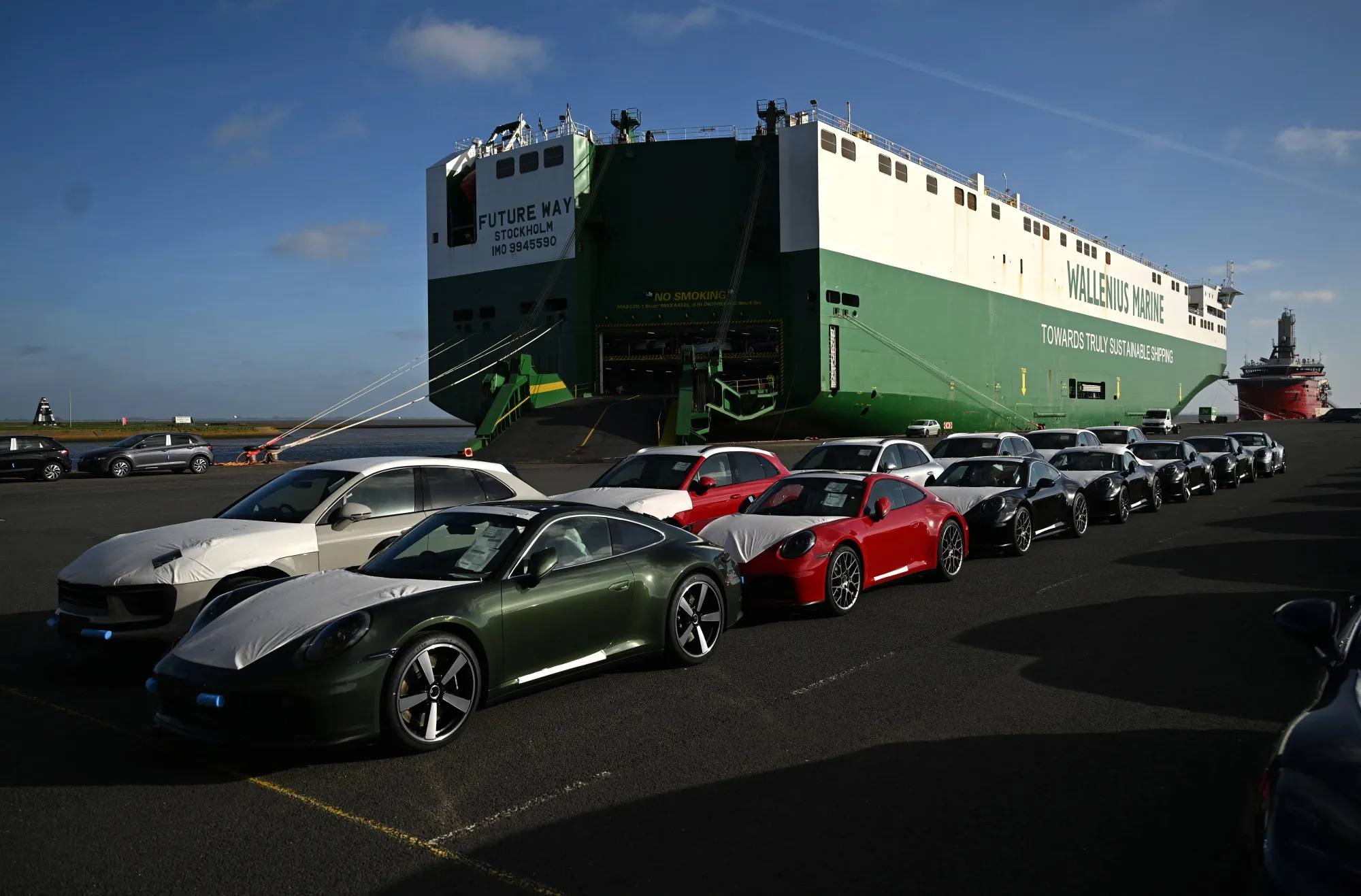
Trump EU auto tariffs increase has become a major talking point in global trade discussions after the U.S. President announced a sharp policy shift targeting European automobile imports. The decision, which raises tariffs on cars and trucks from the European Union to 25%, has sparked concerns across political and economic circles.
The announcement was made amid ongoing tensions between Washington and Brussels over the implementation of a previously agreed trade framework. The move signals a renewed phase of uncertainty in one of the world’s most important trade relationships.

Trump Announces 25% Tariff on EU Auto Imports
The latest Trump EU auto tariffs increase was announced through a public statement and reinforced during remarks at the White House. The decision directly affects passenger cars and commercial trucks imported from the European Union.
Key Points From the Announcement
- Tariffs on EU vehicles will rise to 25%
- Decision linked to alleged non-compliance with trade agreements
- Applies to both cars and trucks entering the United States
- No tariffs expected if production is based in the U.S.
The U.S. President stated that the move was necessary due to what he described as the EU’s failure to fully comply with an existing trade arrangement. He emphasized that manufacturers building vehicles in the United States would avoid the tariff entirely.
Justification for the Policy Shift
The reasoning behind the Trump EU auto tariffs increase centers on encouraging foreign automakers to relocate production to the U.S. administration officials suggested the policy is intended to strengthen domestic manufacturing and increase economic activity within the country.
Background of the U.S. and EU Auto Trade Deal
Understanding the Trump EU auto tariffs increase requires a look at the earlier trade arrangement between both sides. The United States had previously imposed a 25% tariff on global automotive imports under a national security framework.
The 2025 Adjustment Agreement
An agreement was later reached between the U.S. and EU that modified the tariff structure:
- Base tariff on EU autos reduced to around 15% net
- EU agreed to remove duties on U.S. industrial goods
- Commitment to align with U.S. safety and emissions standards
This arrangement was meant to stabilize trade relations and reduce friction in the automotive sector.
Delays in Implementation
Despite the agreement, legislative processes within the European Union slowed down the full implementation. Lawmakers and member states have continued negotiations, delaying final enforcement of key parts of the deal.
This delay became a central argument in justifying the renewed Trump EU auto tariffs increase.
EU Reaction and Political Pushback
The announcement quickly triggered criticism from European officials and lawmakers, who described the move as destabilizing and inconsistent with prior agreements.
Strong Response From EU Leadership
A senior European Parliament trade official expressed concern over the decision, stating that the move undermines trust between long-standing partners. The reaction highlighted growing frustration within the EU regarding repeated trade disputes.
Key Concerns Raised
- Damage to transatlantic trade relations
- Potential violation of agreed trade terms
- Risk of retaliatory measures from the EU
- Uncertainty for automotive manufacturers
The tone of the response suggests that further diplomatic engagement may be required to address the dispute linked to the Trump EU auto tariffs increase.
Market Reaction and Impact on Automakers
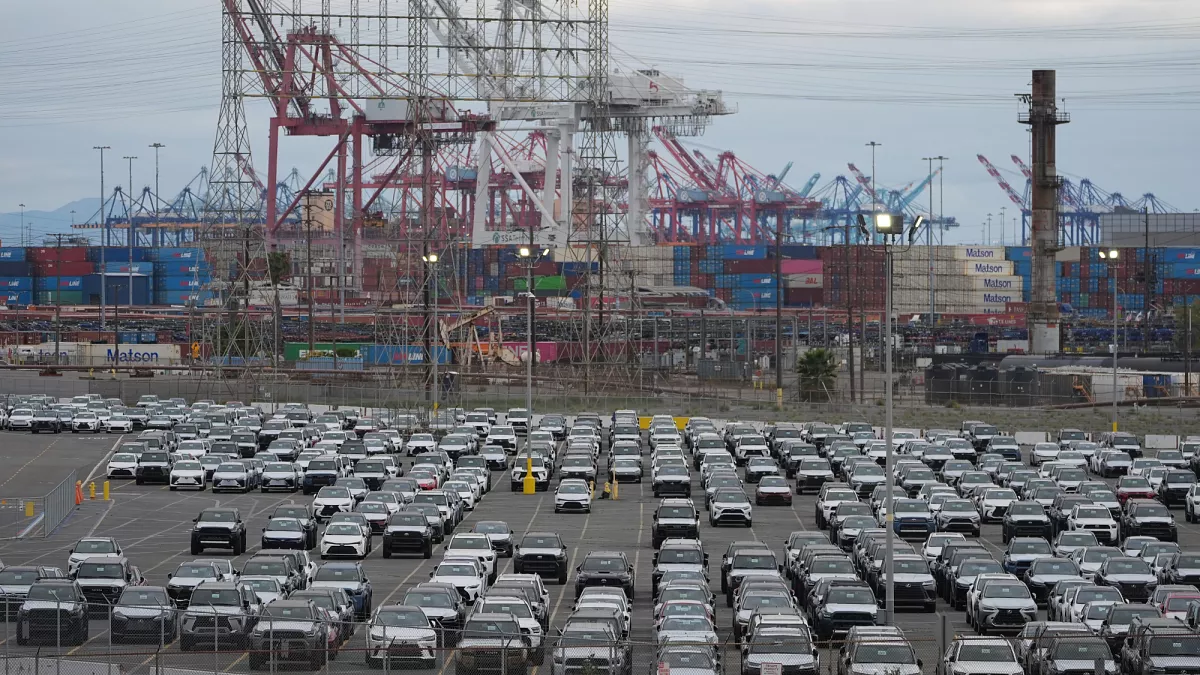
Financial markets reacted immediately following the announcement, particularly within the automotive sector. Investors responded to the potential cost increases for European imports and supply chain disruptions.
Stock Market Movement
Major U.S. automakers saw noticeable declines:
- Ford Motor: down approximately 2%
- Stellantis: down around 1.7%
- General Motors: down about 1.1%
Why Markets Reacted Quickly
The Trump EU auto tariffs increase raises concerns about:
- Higher import costs for vehicles and parts
- Possible retaliatory tariffs from Europe
- Disruption in global supply chains
- Reduced profit margins for multinational automakers
Economic and Trade Implications
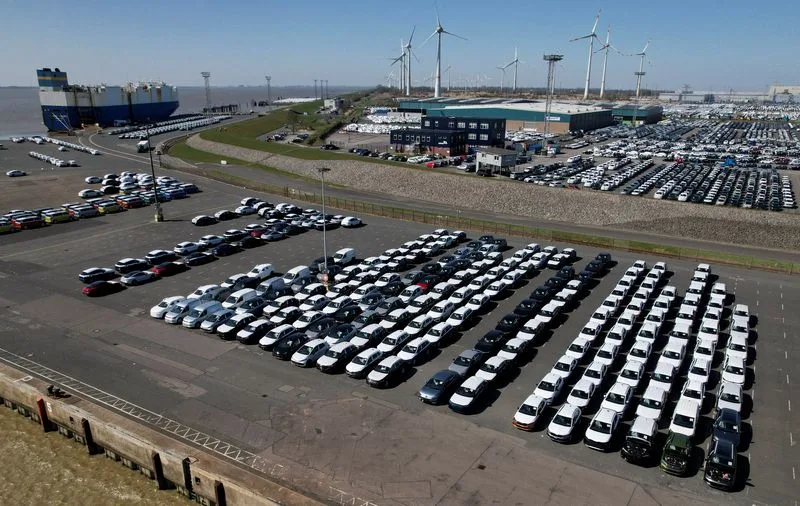
The broader implications of the Trump EU auto tariffs increase extend beyond the automotive industry. Economists suggest the move could reshape trade flows between the United States and Europe.
Potential Industry Shifts
Automakers may consider several responses:
- Expanding U.S.-based manufacturing plants
- Reorganizing supply chains to reduce tariff exposure
- Increasing vehicle prices to offset import costs
- Accelerating regional production strategies
Broader Trade Tensions
The decision could also intensify wider trade disagreements between both regions, potentially affecting other industrial sectors beyond automobiles.
What Happens Next in the Trade Dispute
The situation remains fluid, with both sides expected to engage in further discussions. However, the timeline for resolution is uncertain due to ongoing legislative and political processes.
Upcoming Developments
- EU internal negotiations on trade legislation continue
- Possible diplomatic talks between U.S. and EU officials
- Industry lobbying from automakers on both sides
- Monitoring of potential retaliatory tariffs
The Trump EU auto tariffs increase may therefore serve as a catalyst for renewed trade negotiations in the coming months.
FAQ
Why did the U.S. increase tariffs on EU cars and trucks to 25%?
The increase was justified by claims that the European Union had not fully complied with an existing trade agreement between both sides.
How will the Trump EU auto tariffs increase affect car prices?
Higher tariffs could lead to increased import costs, which may be passed on to consumers through higher vehicle prices.
Which companies are most affected by the new auto tariffs?
European automakers exporting to the U.S., along with U.S. companies reliant on imported vehicles or parts, are most affected.
Could the EU respond to the tariff increase?
Yes, the EU may consider diplomatic or trade countermeasures depending on how negotiations develop.
Conclusion
The Trump EU auto tariffs increase marks a significant escalation in transatlantic trade tensions, particularly within the automotive industry. While the policy aims to encourage domestic manufacturing in the United States, it also introduces uncertainty for global automakers and trade partners. The coming months are likely to determine whether this move leads to renewed negotiations or further economic friction between the United States and the European Union.
Click here for more news