 0
0
 0
0
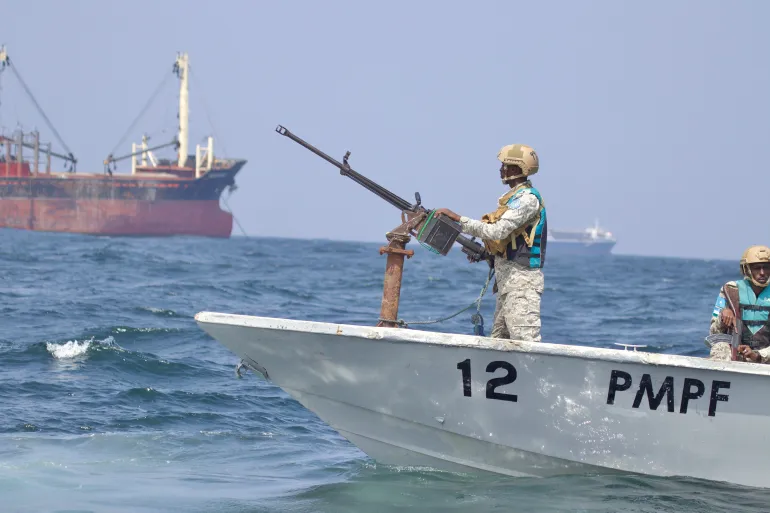
The Yemen hijacked oil tanker Somalia incident has raised fresh concerns over maritime security in the Gulf of Aden after Yemeni authorities reported that an oil tanker was seized by armed attackers and redirected toward Somali waters. Officials say the situation reflects growing instability in key international shipping routes, where piracy risks have increased in recent months.
The vessel, identified as the M/T Eureka, was reportedly taken off Yemen’s southeastern coast before being steered toward Somalia, prompting urgent response efforts by the Yemeni Coast Guard.
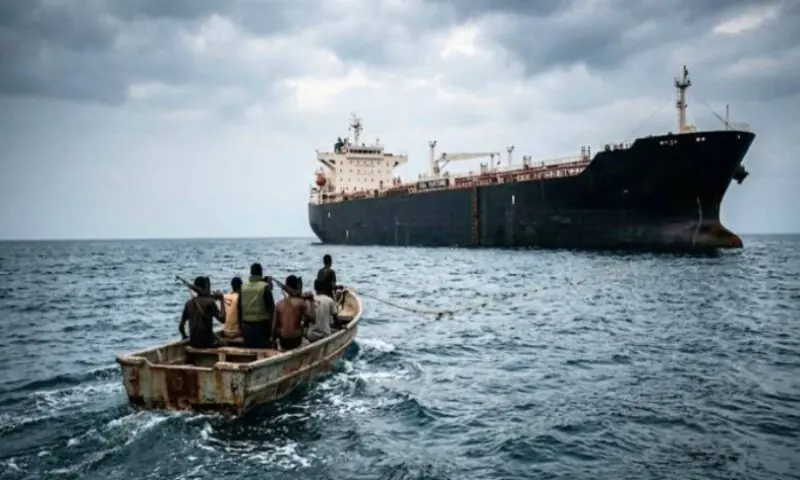
Oil Tanker Hijacked Off Yemen Coast
The Yemen hijacked oil tanker Somalia case began when armed individuals boarded the tanker near Yemen’s Shabwa province, taking control of the ship and its crew.
Vessel Identified as M/T Eureka
Authorities confirmed the vessel involved as:
- Name: M/T Eureka
- Type: Oil tanker
- Location of seizure: Off southeastern Yemen (Shabwa province area)
The hijacking reportedly occurred while the vessel was navigating regional shipping lanes in the Gulf of Aden.
Armed Boarding and Takeover
According to early reports:
- Armed assailants boarded the tanker at sea
- Crew members were overpowered
- Control of navigation was seized by attackers
The ship was then redirected away from its original route.
Vessel Redirected Toward Somali Waters
Following the hijacking, the Yemen hijacked oil tanker Somalia situation escalated as the vessel was steered toward the Somali coastline.
Movement Into the Gulf of Aden
Officials confirmed that the tanker is now moving through:
- The Gulf of Aden maritime corridor
- Routes leading toward Somalia’s coastal waters
- Areas historically affected by piracy activity
Strategic Importance of the Route
The Gulf of Aden is one of the world’s most critical shipping lanes, linking:
- The Red Sea
- The Arabian Sea
- Key global trade routes toward the Suez Canal
Disruptions in this area can have wide-reaching economic consequences.
Yemeni Coast Guard Response Efforts
The Yemeni Coast Guard has launched efforts to track and recover the hijacked vessel as the situation unfolds.
Emergency Monitoring Operations
Authorities stated that they are:
- Tracking the vessel’s movement
- Coordinating maritime response efforts
- Monitoring potential landing zones
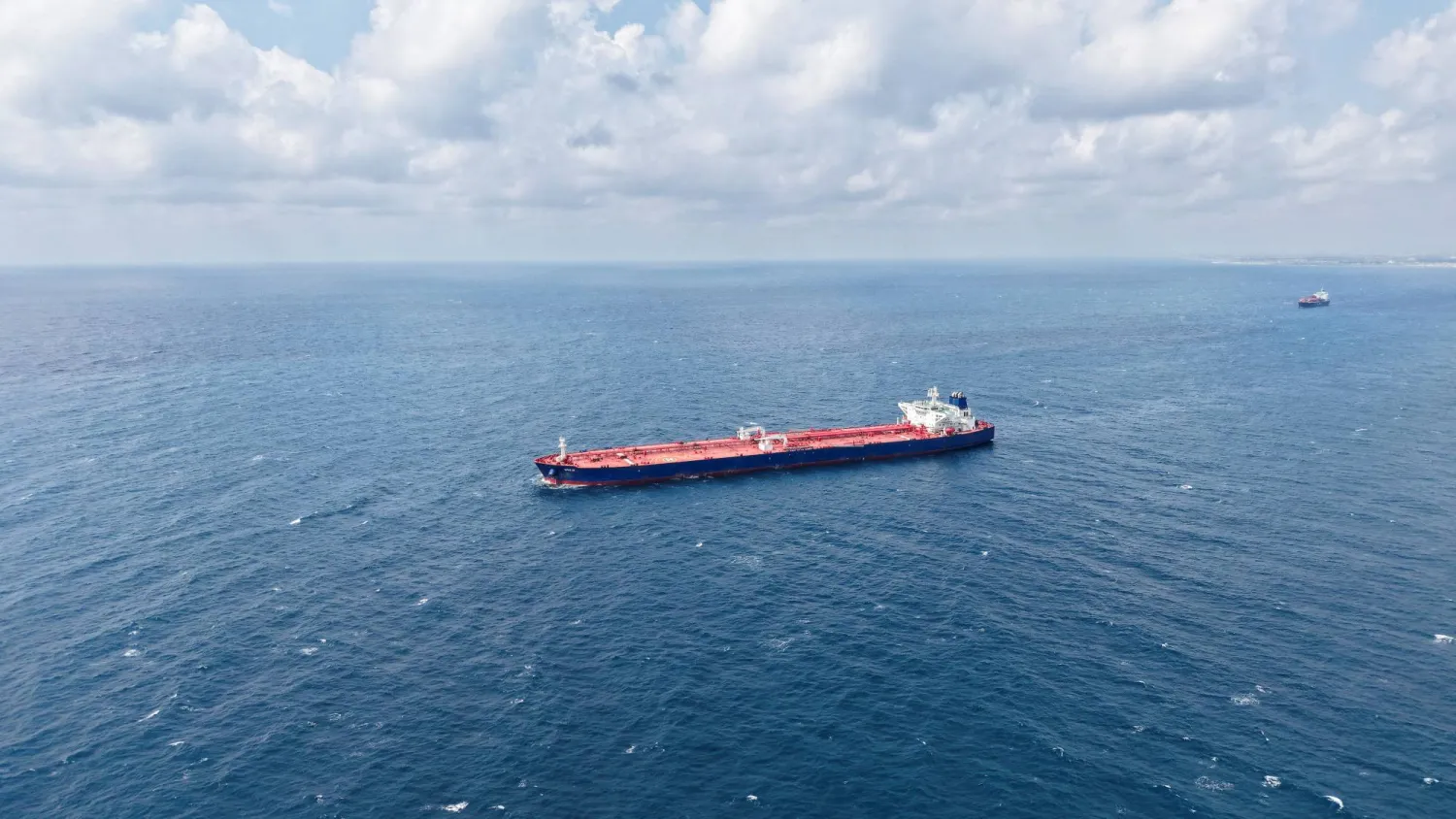
The Yemen hijacked oil tanker Somalia incident has prompted increased surveillance across nearby waters.
Regional Security Coordination
Maritime security forces in the region are reportedly working together to:
- Share intelligence on vessel movement
- Alert nearby patrol units
- Prevent further escalation
Rising Maritime Piracy Concerns in the Region
The incident has renewed concerns about piracy and armed maritime attacks in the Horn of Africa and surrounding waters.
Increasing Risk Factors
Officials and maritime analysts point to several contributing issues:
- Reduced naval patrol presence in some areas
- Ongoing regional conflicts affecting security coordination
- Shifting naval focus to other geopolitical tensions
Piracy Hotspots in the Gulf of Aden
Historically, the region has experienced piracy activity near:
- Somali coastline
- Gulf of Aden shipping corridors
- Key international transit routes
The Yemen hijacked oil tanker Somalia case reflects continued vulnerability in these waters.
Security Pressure on Global Shipping Routes
The Gulf of Aden and surrounding waters remain essential to global trade, making security incidents particularly significant.
Importance of Maritime Trade Routes
Key global routes affected include:
- Oil transportation corridors
- Commercial shipping lanes
- International cargo routes linking Asia, Africa, and Europe
Any disruption can lead to:
- Delays in global shipping
- Increased insurance costs
- Heightened naval deployment
Impact of Regional Instability
Security experts note that instability in nearby regions can:
- Reduce effective patrol coverage
- Increase opportunities for armed groups
- Complicate coordinated naval responses
Somalia’s Role in Maritime Security
Somalia’s coastline plays a key role in regional maritime security operations, particularly in anti-piracy efforts.
Local Maritime Forces
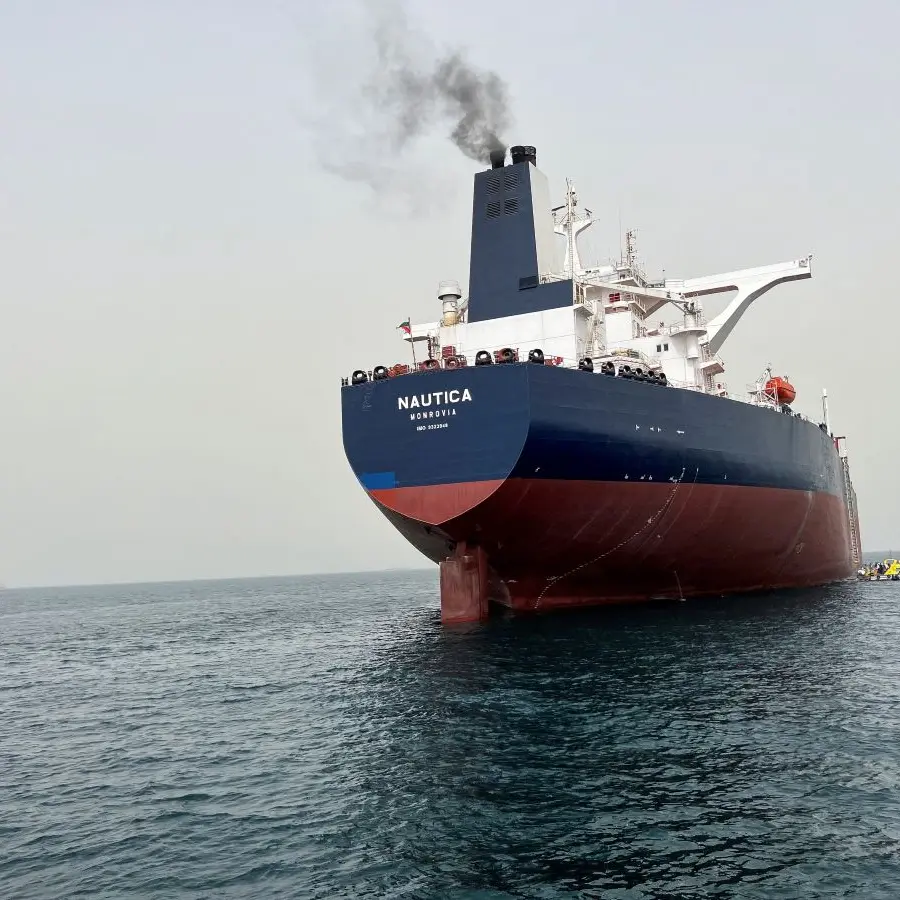
Somali maritime police and allied patrol units are active in:
- Monitoring Gulf of Aden waters
- Conducting anti-piracy patrols
- Responding to suspicious vessel activity
Ongoing Security Challenges
Despite improvements over the years, challenges remain:
- Limited naval resources
- Vast coastline coverage requirements
- Continued risk of armed maritime groups
Broader Regional Context of Maritime Tensions
The Yemen hijacked oil tanker Somalia incident comes amid broader maritime tensions affecting Red Sea and Arabian Sea shipping routes.
Competing Security Pressures
Regional naval forces are currently managing multiple challenges, including:
- Protection of commercial shipping lanes
- Monitoring armed group activity
- Responding to geopolitical maritime tensions
Impact on Naval Deployment
Officials note that shifting security priorities may temporarily reduce focus on certain high-risk zones, increasing vulnerability.
Timeline of Reported Events
A simplified sequence of events includes:
- Tanker (M/T Eureka) departs through Gulf of Aden route
- Armed individuals board vessel off Yemen’s Shabwa coast
- Crew is reportedly overpowered and ship hijacked
- Vessel redirected toward Somalia
- Yemeni Coast Guard begins recovery and tracking operations
Frequently Asked Questions (FAQ)
What happened to the oil tanker near Yemen?
An oil tanker named M/T Eureka was reportedly hijacked by armed individuals off Yemen’s southeastern coast.
Where is the hijacked tanker headed?
Authorities say the vessel is being directed toward Somalia through the Gulf of Aden.
Why is the Gulf of Aden important?
It is a major international shipping route connecting the Red Sea and Arabian Sea, used for global trade and oil transport.
Are piracy incidents increasing in the region?
Security officials have raised concerns about rising maritime risks due to shifting naval focus and regional instability.
Conclusion
The Yemen hijacked oil tanker Somalia incident highlights ongoing maritime security challenges in one of the world’s most important shipping corridors. With the vessel reportedly redirected toward Somali waters, regional authorities are actively monitoring the situation while concerns grow over piracy risks and reduced naval focus in the area. The development underscores the fragile security balance affecting international trade routes in the Gulf of Aden.
Click here for more news