 0
0
 0
0
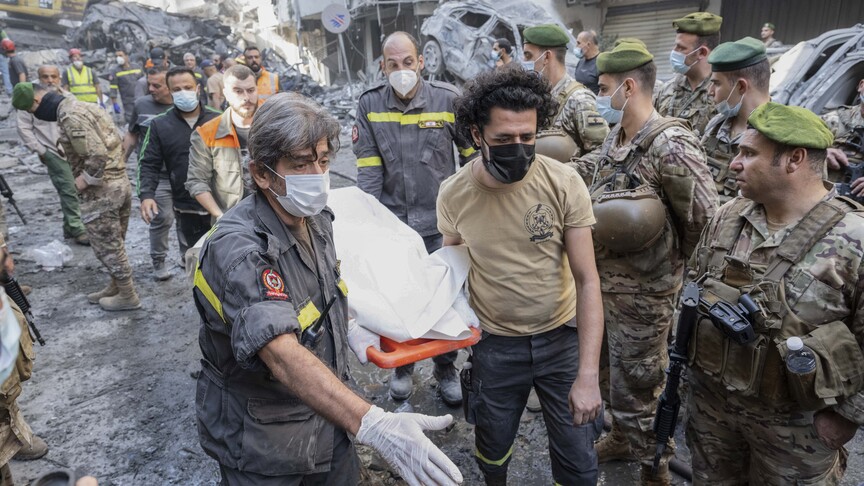
The Lebanon Israel offensive death toll has continued to rise sharply as ongoing Israeli military operations in Lebanon result in thousands of casualties and widespread displacement. According to the Lebanese Health Ministry, the humanitarian situation has worsened significantly since the escalation began, despite repeated calls for de-escalation and temporary ceasefire agreements.
The conflict, which intensified following regional tensions involving Hezbollah and broader Middle East instability, has left deep impacts on civilian populations across multiple regions in Lebanon.
Overview of Escalating Violence in Lebanon
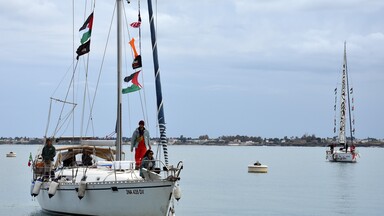
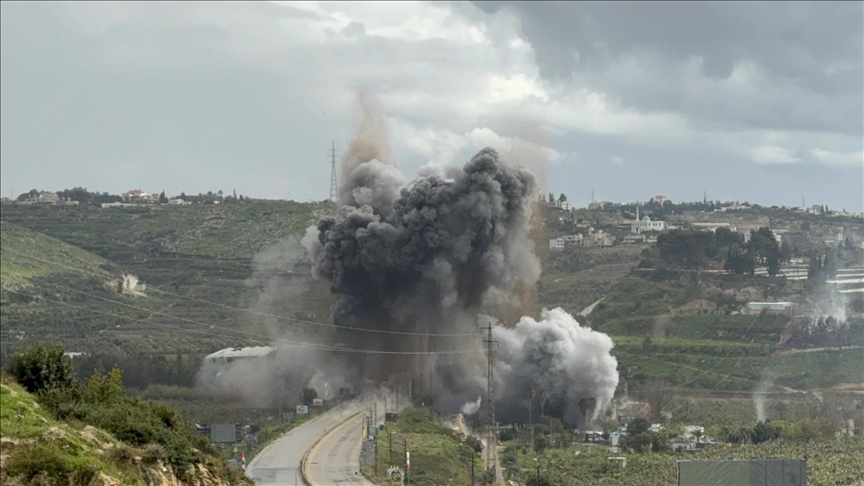
The latest phase of violence has seen continuous airstrikes and cross-border attacks, contributing to a rising Lebanon Israel offensive death toll that now stands among the highest in recent months of conflict.
Conflict Background and Trigger Events
The escalation reportedly began after increased hostilities linked to Hezbollah’s involvement in regional tensions tied to the broader Iran-related conflict dynamics. This led to intensified Israeli military operations targeting areas in southern and eastern Lebanon.
Key developments include:
- Expansion of airstrikes across multiple Lebanese regions
- Continued border tensions involving armed groups
- Rising civilian displacement from affected areas
Scale of the Current Situation
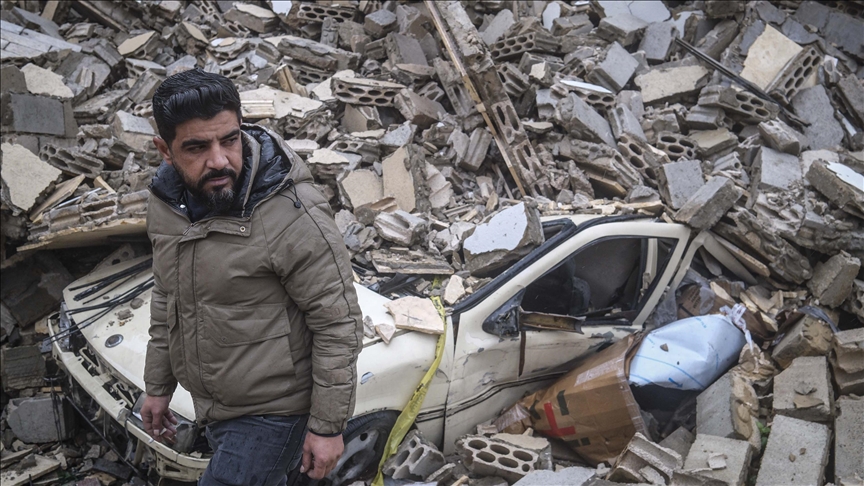
The intensity of operations has resulted in widespread destruction of infrastructure, including residential buildings and transportation routes, making humanitarian response more challenging.
Latest Casualty Figures Reported by Health Ministry
The Lebanese Health Ministry confirmed that the Lebanon Israel offensive death toll has reached 2,659 fatalities, with 8,183 individuals injured since March 2.
Updated 24-Hour Casualty Report
In its latest statement, the ministry reported:
- 41 people killed in the past 24 hours
- 11 individuals injured in the same period
- Continued air raids in multiple regions
These figures reflect ongoing hostilities despite international pressure for restraint.
Breakdown of Reported Impacts
The reported statistics highlight:
- Rising civilian casualties
- Overburdened healthcare facilities
- Emergency response challenges in conflict zones
The Lebanon Israel offensive death toll continues to be closely monitored as conditions evolve daily.
Humanitarian Impact and Displacement Crisis
One of the most significant consequences of the conflict has been the large-scale displacement of civilians across Lebanon.
Mass Displacement Across Regions
According to available reports, more than 1 million people have been forced to leave their homes due to ongoing attacks and security concerns.
This displacement has created urgent humanitarian needs, including:
- Temporary shelter shortages
- Limited access to clean water and food supplies
- Strain on medical services
Conditions for Displaced Populations
Many displaced families are now residing in:
- Emergency shelters
- Schools and public buildings
- Temporary camps in safer regions
The increasing Lebanon Israel offensive death toll has further intensified pressure on aid organizations operating in the region.
Ceasefire Attempts and Continued Violations
Despite diplomatic efforts, ceasefire agreements have struggled to hold amid ongoing hostilities.
Temporary Ceasefire Agreement
A 10-day ceasefire was introduced on April 17 in an attempt to reduce violence and allow humanitarian relief operations. However, the agreement was later extended to mid-May.
Reports of Continued Strikes
Despite the ceasefire framework, reports indicate:
- Continued airstrikes in targeted areas
- Destruction of residential structures
- Ongoing security incidents in southern Lebanon
These developments have raised concerns about the effectiveness of ceasefire enforcement.
Buffer Zone in Southern Lebanon
Israel has maintained what it describes as a “buffer zone” in southern Lebanon, stating it is intended to prevent attacks from Hezbollah. However, this measure remains controversial and is linked to ongoing tensions in the region.
Background: Israel-Hezbollah Tensions and Regional Context
Understanding the Lebanon Israel offensive death toll requires examining the long-standing tensions between Israel and Hezbollah, which have periodically escalated into armed conflict.
Historical Conflict Dynamics
The relationship between Israel and Hezbollah has been marked by:
- Periodic cross-border clashes
- Previous large-scale conflicts in Lebanon
- Ongoing political and military tensions
Previous Ceasefire Agreements
An earlier truce was reached in November 2024, aiming to stabilize the border region. However, renewed violence has disrupted long-term peace efforts.
Ongoing Situation and International Concerns
The current escalation has drawn attention due to its humanitarian impact and regional implications.
Humanitarian Concerns
International observers have expressed concern about:
- Civilian safety in conflict zones
- Access to humanitarian aid
- Long-term displacement challenges
The rising Lebanon Israel offensive death toll continues to highlight the urgency of humanitarian assistance.
Regional Stability Risks
Analysts warn that continued escalation could:
- Further destabilize border regions
- Increase civilian casualties
- Prolong humanitarian crises
Timeline of Key Developments
A simplified timeline of recent events includes:
- March 2 – Escalation of Israeli military operations in Lebanon
- April 17 – Start of 10-day ceasefire
- Late April – Extension of ceasefire to mid-May
- Ongoing – Continued airstrikes and reported violations
- May 2 – Updated casualty figures released
Frequently Asked Questions (FAQ)
What is the current Lebanon Israel offensive death toll?
The Lebanese Health Ministry reports 2,659 deaths and 8,183 injuries since the escalation began on March 2.
Why is the conflict between Israel and Lebanon escalating?
The escalation is linked to regional tensions involving Hezbollah and broader geopolitical conflicts in the Middle East.
Are there any ceasefires in place?
A temporary ceasefire began on April 17 and was extended, but reports indicate ongoing violations.
How many people have been displaced in Lebanon?
More than 1 million people have been displaced due to ongoing airstrikes and security concerns.
Conclusion
The ongoing situation reflected in the Lebanon Israel offensive death toll highlights the severe humanitarian and security challenges facing Lebanon amid continued conflict. Despite ceasefire efforts, continued violence has led to rising casualties, widespread displacement, and deepening instability in the region. The situation remains fluid, with humanitarian needs increasing as international attention focuses on efforts to reduce further escalation.
Click here for more news