 0
0
 0
0
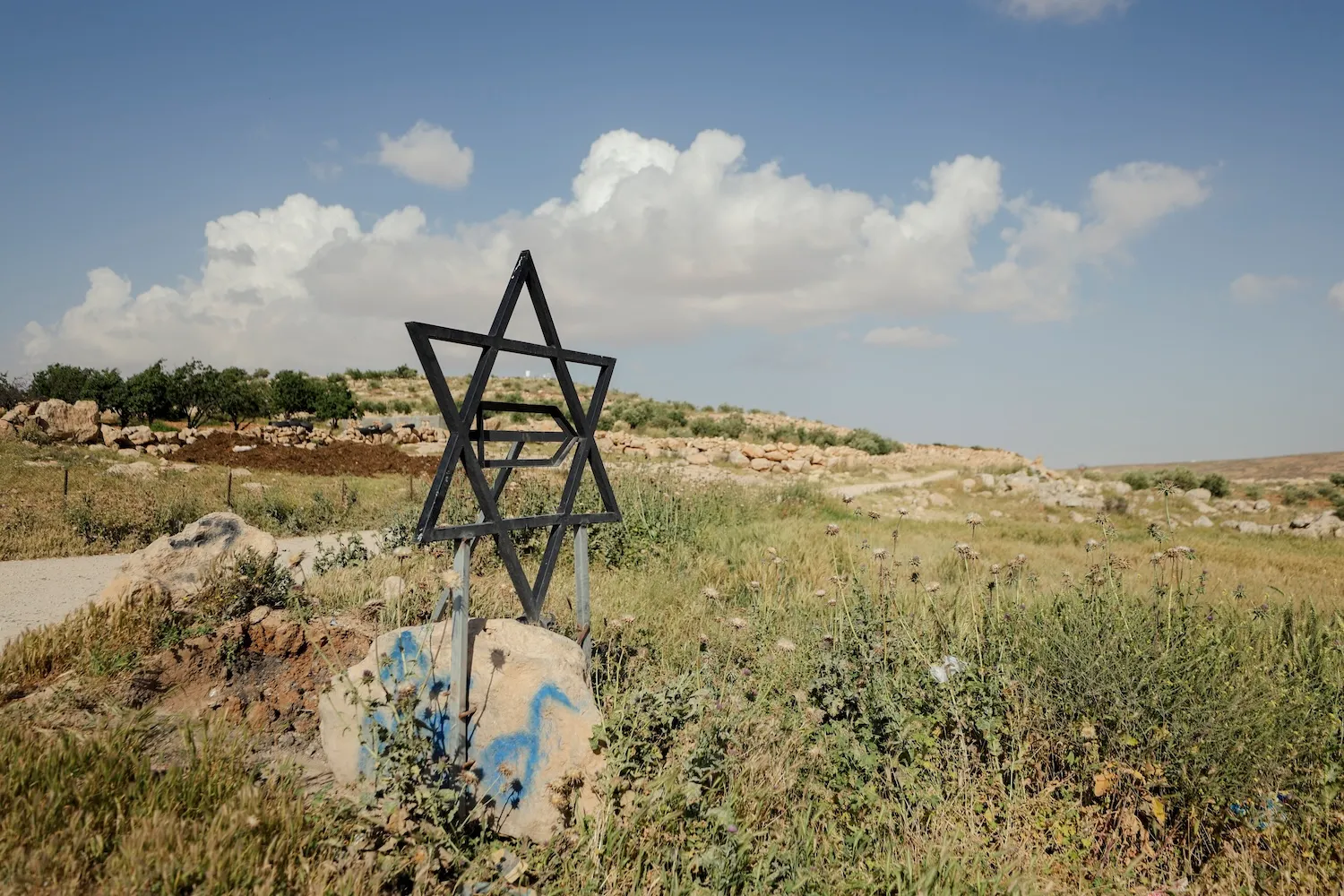
The Israel West Bank settlement expansion strategy has drawn renewed attention following recent developments that signal a shift in policy direction. Observers note that recent actions suggest a broader effort to reshape the political and territorial dynamics of the West Bank.
Reversal of Past Settlement Policies
A key turning point in the Israel West Bank settlement expansion strategy came with the reestablishment of a previously dismantled settlement. This move is widely seen as a reversal of earlier disengagement policies.
Background of the 2005 Disengagement
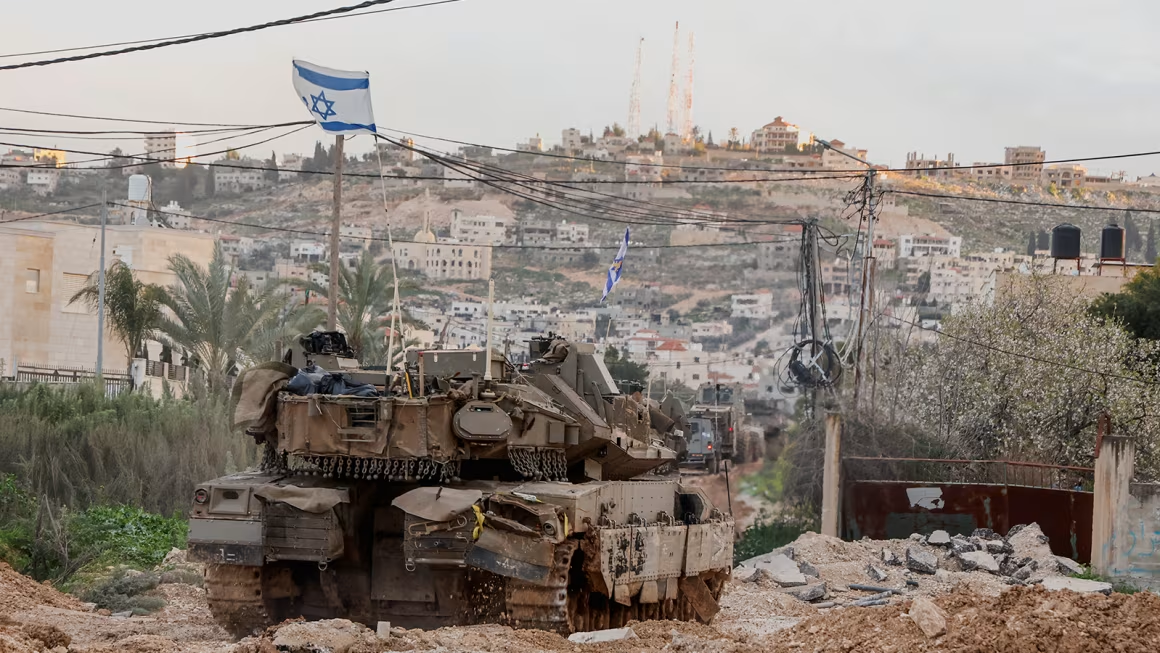
In 2005, Israel withdrew from several settlements in both the Gaza Strip and northern West Bank. The decision aimed to reduce tensions and reshape security arrangements.
However, the recent reauthorization of the Sa-Nur settlement marks a significant policy shift. It represents the final step in reversing earlier withdrawals in the northern West Bank.
Political Reactions to Settlement Reestablishment
Government officials have described the move as a correction of past decisions. Some political leaders argue that restoring settlements strengthens national interests and security.
At the same time, critics view the action as a step away from diplomatic solutions. The Israel West Bank settlement expansion strategy has therefore become a central topic in international discussions.
Expansion of Settlements Across the West Bank
Settlement growth remains a core element of current policy. The Israel West Bank settlement expansion strategy involves increasing the number and size of communities in the region.
Key Features of Settlement Expansion
This approach includes:
- Development of new housing units
- Legalization of previously unauthorized outposts
- Expansion of infrastructure supporting settlements
These measures contribute to a changing landscape in the West Bank, affecting both geography and demographics.
Impact on Territorial Dynamics
As settlements expand, Palestinian communities often face restrictions on land use and movement. This creates a more fragmented territorial structure.
The Israel West Bank settlement expansion strategy is frequently discussed in relation to its long-term implications for regional stability and future negotiations.
Increasing Pressure on the Palestinian Authority
Another major aspect of the strategy involves political and economic pressure on the Palestinian Authority.
Financial and Administrative Challenges
The Palestinian Authority faces multiple challenges, including:
- Budget constraints
- Governance limitations
- Reduced autonomy in certain areas
These factors can affect its ability to provide services and maintain stability.
Shifting Political Landscape
Some analysts suggest that weakening the Palestinian Authority could lead to a restructuring of governance in the West Bank. This raises questions about future political arrangements.
The Israel West Bank settlement expansion strategy includes this dimension as part of a broader approach to reshaping the region.
Restricting Palestinian Movement and Space
A third component of the strategy involves limiting the physical space available to Palestinians in the West Bank.
Changes in Land Access
Restrictions on land access can occur through:
- Expansion of settlement zones
- Security barriers
- Designation of certain areas for military use
These measures often result in reduced mobility for local populations.
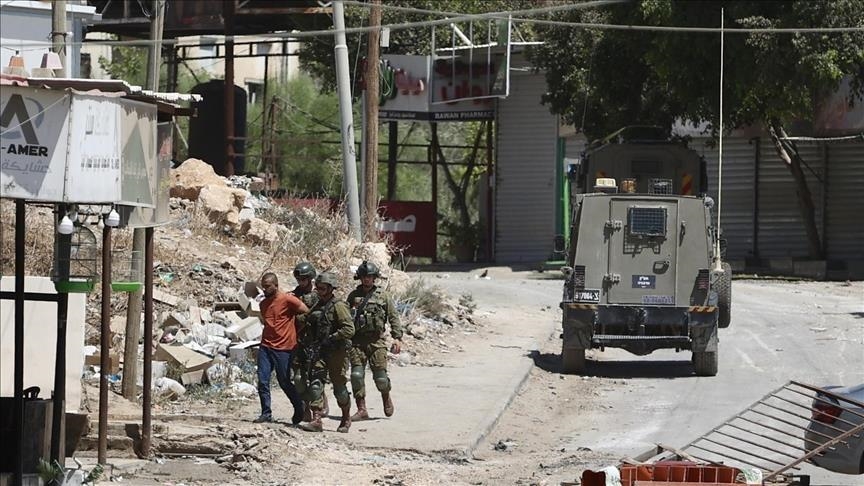
Effects on Daily Life
For residents, these changes can impact:
- Access to employment
- Availability of agricultural land
- Movement between communities
The Israel West Bank settlement expansion strategy is therefore closely linked to everyday realities in the region.
Broader Implications for Palestinian Statehood
The developments associated with the Israel West Bank settlement expansion strategy have implications for the future of Palestinian statehood.
Debate Over Long-Term Outcomes
Some perspectives suggest that continued settlement expansion may complicate the possibility of a two-state solution. Others argue that security considerations remain the primary driver of policy.
International Reactions
Global responses to these developments vary. Some countries and organizations have expressed concern about the implications for peace efforts, while others emphasize the need for direct negotiations.
The evolving situation continues to shape diplomatic discussions involving Middle East stakeholders.
Historical Context and Ongoing Developments
Understanding the current situation requires looking at broader historical trends in the region.
Key Historical Milestones
- 2005 disengagement from Gaza and parts of the West Bank
- Periodic expansion of settlements over the years
- Ongoing political and security developments
These milestones provide context for the present strategy.
Continuing Changes on the Ground
The situation in the West Bank remains dynamic. Policy decisions, security considerations, and political developments all contribute to ongoing changes.
The Israel West Bank settlement expansion strategy is likely to remain a key issue in regional and international discussions.
FAQ Section
What is the Israel West Bank settlement expansion strategy?
It refers to policies aimed at expanding Israeli settlements, increasing pressure on the Palestinian Authority, and reshaping territorial dynamics in the West Bank.
Why was the Sa-Nur settlement reestablished?
The reestablishment is seen as part of a broader policy shift reversing the 2005 disengagement from certain West Bank settlements.
How does settlement expansion affect Palestinians?
It can limit land access, restrict movement, and impact economic and social conditions in Palestinian communities.
What are the implications for a two-state solution?
Some analysts believe continued expansion may complicate the possibility of establishing a separate Palestinian state.
Conclusion
The Israel West Bank settlement expansion strategy reflects a complex and evolving approach to governance, security, and territorial management in the region. As developments continue, the balance between policy objectives, humanitarian considerations, and long-term political outcomes remains a central issue in discussions about the future of the West Bank.
Click here for more news