 0
0
 0
0
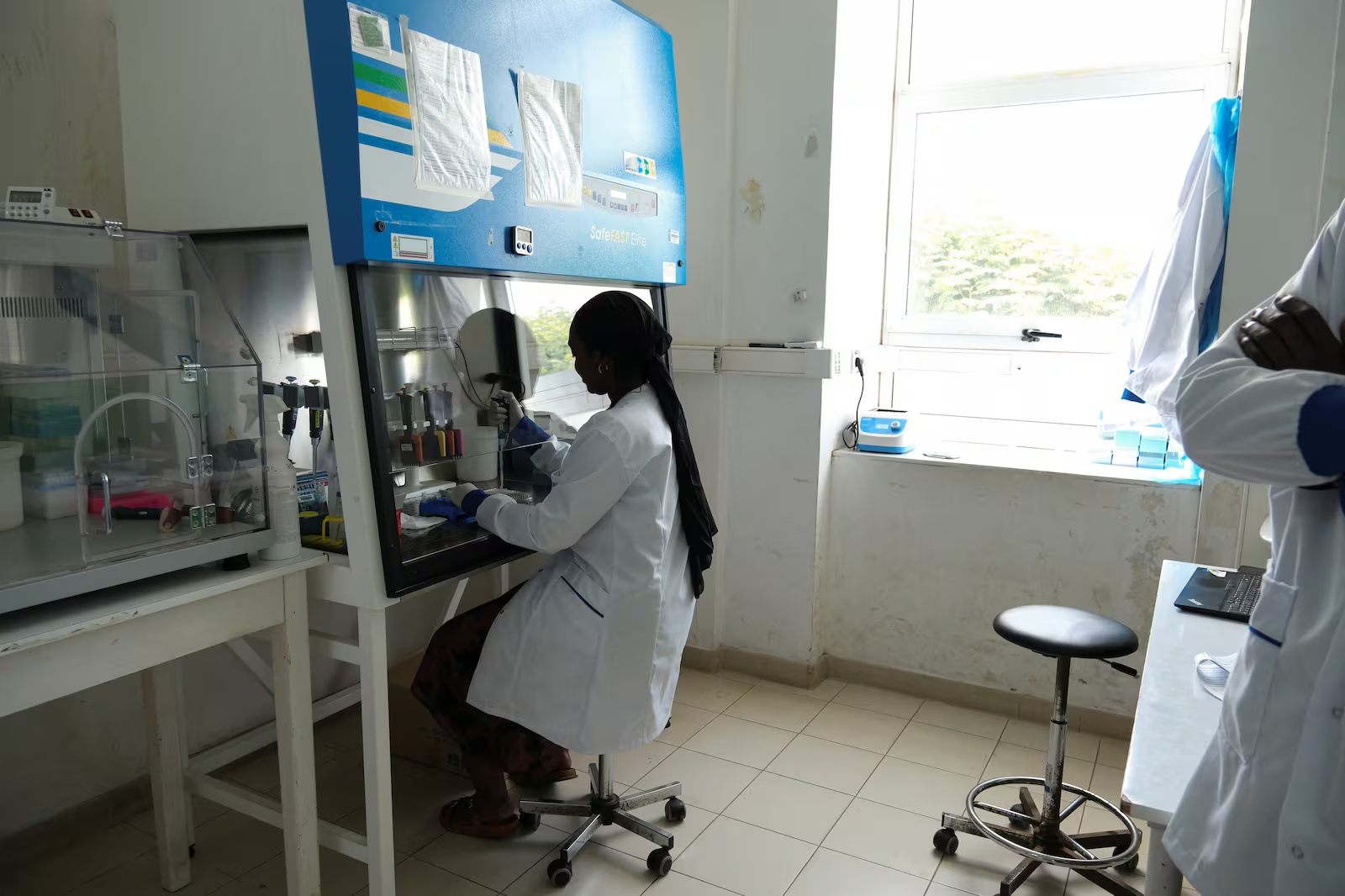
The hantavirus outbreak Senegal lab response has drawn global attention after scientists at the Institut Pasteur in Dakar played a key role in decoding the virus responsible for the April 2026 outbreak. The laboratory’s work highlights how international research cooperation is becoming essential in identifying and controlling emerging infectious diseases.
Researchers at the Senegalese facility successfully sequenced the hantavirus genome, helping global health experts better understand how the outbreak developed and how it may spread. Their findings are part of a wider scientific effort involving multiple countries working together to monitor and respond to viral threats in real time.
The outbreak has reinforced the importance of regional laboratories in Africa and their growing role in global disease surveillance systems.

Senegal’s Institut Pasteur and Its Role in Global Health Research
The Institut Pasteur in Dakar, Senegal, has long been recognized as one of West Africa’s leading biomedical research centers. Its involvement in the hantavirus outbreak Senegal lab investigation reflects its ongoing contribution to global outbreak response systems.
How the Lab Identified the Hantavirus Genome
Scientists at the facility analyzed biological samples collected during the April 2026 outbreak.
Key Laboratory Steps Included:
- Sample collection from confirmed cases
- Virus isolation and extraction
- Genome sequencing using advanced equipment
- Comparison with existing viral databases
These steps allowed researchers to confirm the presence of hantavirus and identify its genetic structure.
Importance of Genome Sequencing in Outbreak Control
Genome sequencing plays a critical role in understanding infectious diseases. It helps scientists:
- Identify the origin of a virus
- Track mutations and variants
- Understand transmission patterns
- Support vaccine and treatment development
In this case, sequencing helped provide early scientific insight into the outbreak.
Strengthening Africa’s Scientific Infrastructure
The success of the Senegal lab reflects growing investment in African scientific institutions.
Key improvements include:
- Better laboratory technology
- Training for local researchers
- International funding partnerships
- Improved disease surveillance systems
These developments have positioned African labs as key contributors in global health security.
Understanding the Hantavirus Outbreak
The hantavirus outbreak Senegal lab investigation is linked to a virus family that spreads primarily through rodents. Hantaviruses can cause severe respiratory illnesses and other complications in humans.
What Is Hantavirus?
Hantavirus refers to a group of viruses transmitted mainly through contact with infected rodent droppings, urine, or saliva.
Common Transmission Routes:
- Inhalation of contaminated dust
- Direct contact with rodents
- Exposure in poorly sanitized environments
Symptoms and Health Risks
Infected individuals may develop symptoms such as:
- Fever and fatigue
- Muscle aches
- Headaches
- Respiratory distress
- Severe lung complications in advanced cases
Early detection is critical for improving survival outcomes.
Why the 2026 Outbreak Raised Concern
Health experts noted that the April 2026 outbreak required urgent investigation because:
- It involved rapid case detection in multiple locations
- Genetic analysis was needed to confirm the strain
- There were concerns about potential regional spread
The Senegal lab’s sequencing work helped clarify the nature of the outbreak early in the response phase.

How the Senegal Lab Contributed to Global Response Efforts
The hantavirus outbreak Senegal lab contribution demonstrates the importance of international collaboration in managing infectious diseases.
Real-Time Data Sharing With Global Networks
Once sequencing was completed, data was shared with international health organizations.
This allowed:
- Faster identification of the virus strain
- Coordination with global health agencies
- Improved outbreak modeling
- Better preparedness in other regions
Collaboration With International Researchers
The Institut Pasteur worked alongside scientists from multiple countries.
Key collaborative efforts included:
- Data exchange with global virus databases
- Joint analysis with epidemiology teams
- Support from international health agencies
- Cross-border research coordination
Role of Field and Laboratory Scientists
Behind the sequencing breakthrough were teams working both in the field and in the laboratory.
Field Teams:
- Collected patient samples
- Tracked outbreak locations
- Coordinated with hospitals
Laboratory Teams:
- Processed biological materials
- Conducted genetic sequencing
- Verified test results
This combined effort ensured accuracy and speed in outbreak identification.
Importance of African Labs in Global Disease Surveillance
The hantavirus outbreak Senegal lab case highlights a broader shift in global health systems.
Growing Role of African Research Centers
African laboratories are increasingly involved in:
- Early outbreak detection
- Virus sequencing and analysis
- Regional health monitoring
- Training future scientists
Why Local Capacity Matters
Having strong regional labs provides several advantages:
- Faster response times
- Reduced dependence on external labs
- Improved local expertise
- Better understanding of regional disease patterns
Strengthening Pandemic Preparedness
Global health experts emphasize that investments in regional labs help improve preparedness for future outbreaks.
This includes:
- Expanding genomic sequencing capacity
- Strengthening data-sharing systems
- Improving outbreak prediction models
Scientific Significance of the Hantavirus Genome Sequencing
The hantavirus outbreak Senegal lab sequencing effort provides important scientific insights into the virus.
Understanding Virus Evolution
By analyzing the genome, scientists can:
- Track how the virus evolves over time
- Identify genetic similarities with past outbreaks
- Detect mutations that may affect transmission
Supporting Medical Research
Genome data is essential for:
- Developing diagnostic tools
- Improving treatment strategies
- Supporting vaccine research
Improving Global Disease Mapping
Sequencing results contribute to global databases used to map infectious disease patterns worldwide.
Global Health Implications of the Outbreak
The findings from the Senegal laboratory have broader implications for international health systems.
Early Warning Systems
The hantavirus outbreak Senegal lab work contributes to stronger early warning systems by:
- Detecting outbreaks faster
- Improving cross-border alerts
- Enhancing real-time monitoring
International Health Coordination
The case highlights how global cooperation is essential in controlling infectious diseases.
Organizations involved typically include:
- World health agencies
- Regional health networks
- National public health institutes
Preparedness for Future Outbreaks
Experts believe lessons from this outbreak will help:
- Improve emergency response protocols
- Strengthen laboratory networks
- Enhance global data-sharing frameworks
Challenges Faced During the Investigation
Despite success, researchers faced several challenges during the hantavirus outbreak response.
Technical and Operational Barriers
- Limited resources in some regions
- High demand for sequencing equipment
- Need for rapid data processing
- Logistics of sample transport

Environmental and Field Challenges
- Difficult outbreak locations
- Limited access to affected areas
- Time-sensitive sample collection
These challenges highlight the complexity of outbreak response work.
FAQ
What role did the Senegal lab play in the hantavirus outbreak?
The Senegalese Institut Pasteur sequenced the hantavirus genome, helping identify and analyze the outbreak strain.
Why is genome sequencing important in outbreak control?
It helps scientists understand virus structure, track mutations, and support vaccine and treatment development.
How is hantavirus transmitted?
Hantavirus is mainly transmitted through contact with infected rodents or contaminated environments.
Why are African labs important in global health research?
They provide faster outbreak detection, local expertise, and improved global disease surveillance capabilities.
Conclusion
The hantavirus outbreak Senegal lab case demonstrates the growing importance of African research institutions in global health security. The work carried out at the Institut Pasteur in Dakar not only helped identify the virus quickly but also strengthened international understanding of how to respond to emerging infectious diseases. As global collaboration continues to expand, such laboratories will remain essential in preventing and controlling future outbreaks.
Click here for more news