 0
0
 0
0
The Canada social media under 16 bill has been introduced as part of a new digital safety initiative aimed at restricting access to social media platforms for users under the age of 16. The proposed legislation represents one of Canada’s most significant moves yet to regulate online platforms and strengthen protections for children in the digital environment.
The bill also extends to artificial intelligence chatbot services and introduces new obligations for technology companies to prevent harm before it occurs, rather than responding only after incidents have taken place.
If passed, the legislation would place Canada among a growing list of countries implementing stricter rules for children’s online safety.

Overview of the Canada Social Media Under 16 Bill
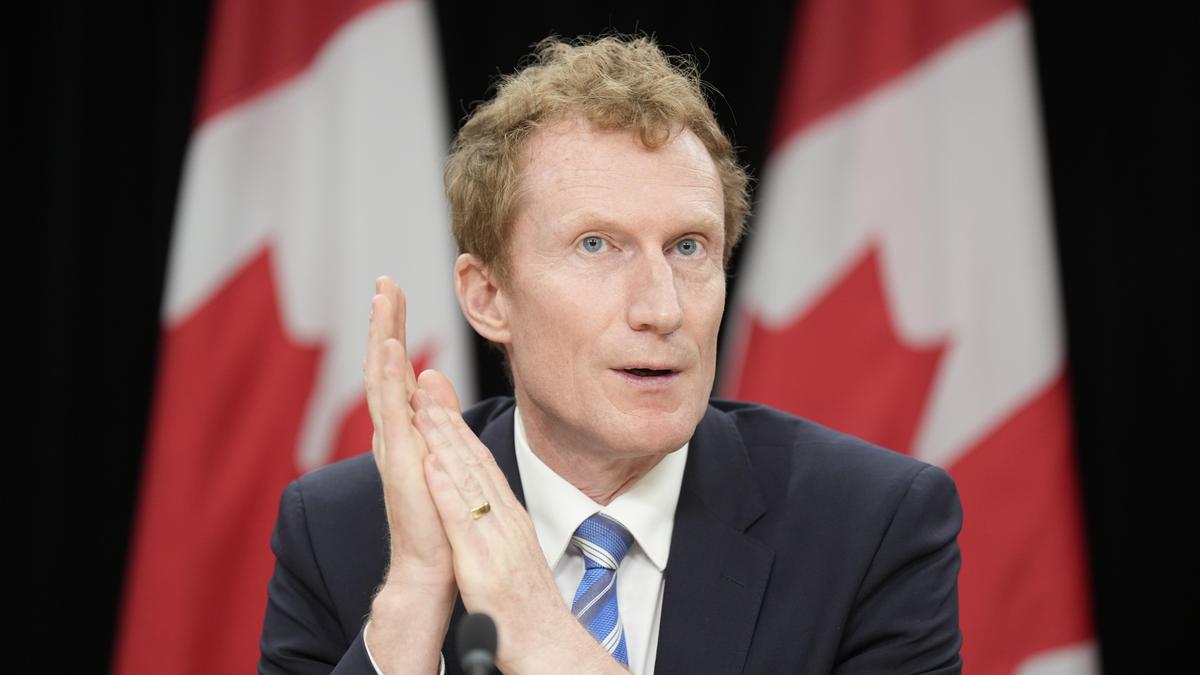
The Canada social media under 16 bill was introduced by Canadian Identity and Culture Minister Marc Miller as part of broader efforts to improve digital safety standards across online platforms.
Key objectives of the bill
The proposed law is designed to:
- Restrict social media access for users under 16
- Strengthen protections against online harm
- Increase platform accountability
- Regulate AI chatbot services
- Improve child online safety standards
Focus on preventive digital safety
A central feature of the bill is its shift from reactive enforcement to preventive regulation.
Current gap in Canadian law
- Existing laws address harm after it occurs
- Limited requirements exist for prevention
- Enforcement often depends on reported incidents
The new proposal aims to change this structure by requiring platforms to proactively reduce risks.
How the Proposed Social Media Restrictions Would Work
Under the Canada social media under 16 bill, platforms would be required to implement stricter age controls and safety systems.
Age restriction framework
The bill proposes:
- Minimum age requirement of 16 for social media access
- Verification systems for user age confirmation
- Platform-level responsibility for enforcement
Possible exemptions for companies
Platforms may be allowed exemptions if they can demonstrate:
- Strong child safety mechanisms
- Effective moderation systems
- Verified compliance with safety standards
Conditions for exemption approval
- Demonstrated protection of minors
- Transparent safety reporting
- Government regulatory approval
Regulation of AI Chatbots Under the Bill
A major aspect of the Canada social media under 16 bill is its inclusion of artificial intelligence chatbot services.
Why AI chatbots are included
AI tools such as conversational systems are increasingly used by young people for:
- Homework assistance
- General information searches
- Online conversations
- Entertainment and engagement
Safety requirements for AI platforms
Under the proposed law, AI providers may be required to:
- Prevent exposure to harmful content
- Implement child protection filters
- Monitor interactions for safety risks
- Reduce misuse or unsafe engagement
Focus on emerging digital risks
The government argues that AI systems must be regulated alongside social media because they also shape how young users interact online.

Canada’s Approach to Online Child Protection
The Canada social media under 16 bill is part of a broader strategy to strengthen digital safety laws.
Safe Social Media Act proposal
The legislation is sometimes referred to as the Safe Social Media Act, which aims to:
- Hold platforms responsible for harmful content prevention
- Improve moderation standards
- Protect minors from cyber risks
Types of online harm addressed
The bill targets several forms of digital risk, including:
- Cyberbullying
- Online harassment
- Exposure to harmful content
- Unsafe interactions with strangers
Global Context of Social Media Age Restrictions
Canada’s proposal follows a growing international trend toward stricter social media regulation for minors.
Countries adopting similar approaches
Several countries have either enacted or considered similar laws:
- Australia (nationwide under-16 restriction law)
- United Kingdom (proposed regulations under review)
- France (age verification discussions ongoing)
- Spain (digital safety proposals under development)
- Malaysia (online child protection frameworks being explored)
- Greece (policy discussions on youth online safety)
Why governments are acting
The global push is driven by concerns over:
- Mental health effects of social media use
- Exposure to inappropriate content
- Data privacy risks for minors
- Increasing screen time among children
Industry and Policy Implications
If enacted, the Canada social media under 16 bill could significantly affect technology companies operating in the country.
Impact on social media platforms
Companies may need to:
- Introduce strict age verification systems
- Redesign user onboarding processes
- Strengthen content moderation tools
- Increase compliance reporting
Potential compliance challenges
- Verifying user age accurately
- Protecting user privacy
- Balancing safety with accessibility
- Managing enforcement across platforms
Public Debate Around the Bill
The proposed law is expected to generate debate among policymakers, educators, and digital rights advocates.
Support for the bill
Supporters argue that the law could:
- Improve child online safety
- Reduce exposure to harmful content
- Encourage responsible platform design
- Strengthen accountability in tech companies
Concerns raised by critics
Some concerns include:
- Privacy implications of age verification
- Potential over-regulation of digital platforms
- Enforcement difficulties
- Impact on youth digital participation
What Happens Next
The Canada social media under 16 bill must pass through Canada’s legislative process before becoming law.
Legislative stages include:
- Parliamentary review
- Committee discussions
- Possible amendments
- Voting in Parliament
- Implementation phase if approved
The final outcome will depend on political negotiations and legislative approval.

FAQ
What is the Canada social media under 16 bill about?
It is a proposed law that seeks to restrict social media access for users under 16 and improve online safety protections.
Will AI chatbots also be regulated under the bill?
Yes, the bill includes provisions to regulate AI chatbot services and require safety safeguards for young users.
Can social media companies get exemptions under the law?
Yes, companies may qualify for exemptions if they can demonstrate strong child safety protections and compliance systems.
Which countries already have similar laws?
Australia has implemented a nationwide under-16 social media restriction, while several other countries are considering similar policies.
The Canada social media under 16 bill reflects a growing global shift toward stricter digital safety regulations for minors. If passed, it would place significant responsibility on social media platforms and AI providers to ensure safer online environments for children, while also reshaping how digital services operate in Canada.
Click here for more news