 0
0
 0
0
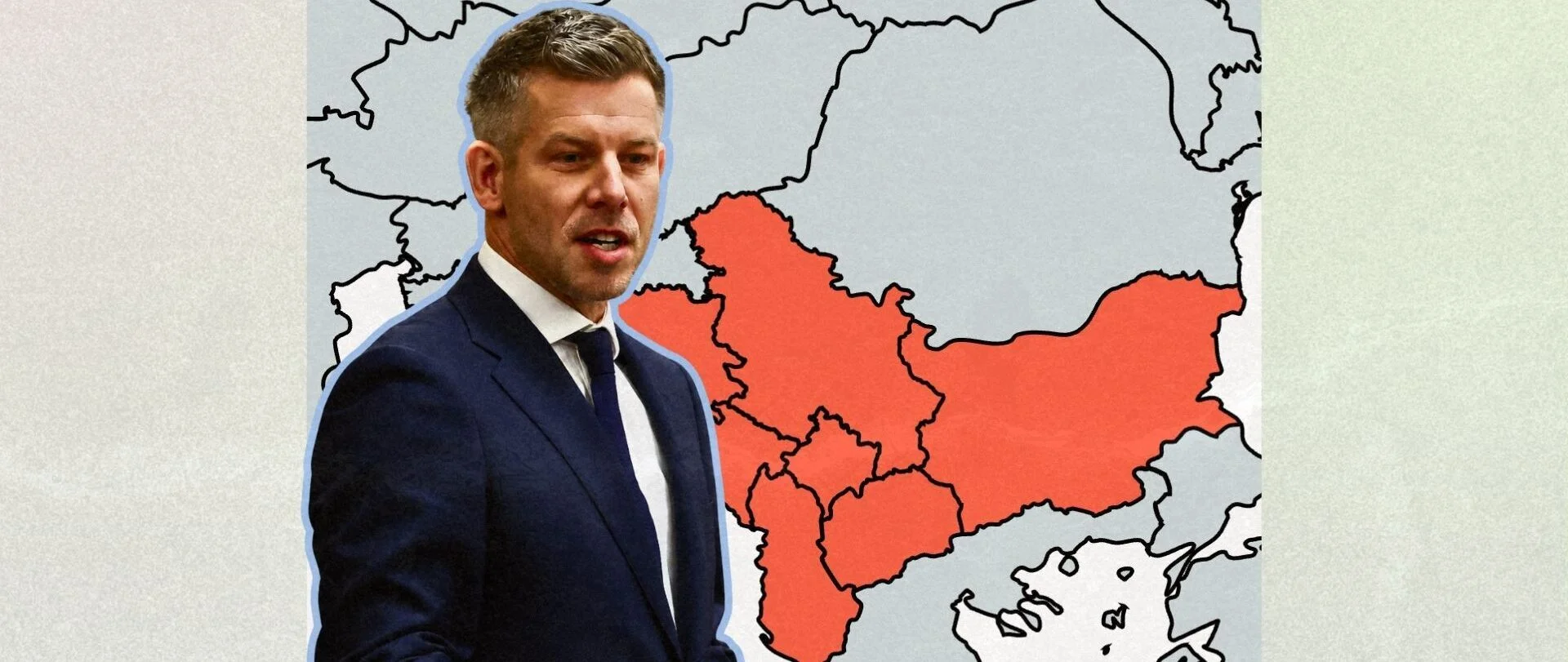
The post-Orbán Hungary Western Balkans discussion is gaining attention as analysts examine how a potential political transition in Hungary could reshape regional dynamics across Southeast Europe. While Hungary has not traditionally treated the Western Balkans as its top foreign policy priority, its economic, political, and strategic presence in the region remains significant and deeply rooted.
Hungarian influence has been shaped over decades through investment, ethnic ties, and political engagement in EU-related discussions. However, a shift away from the Orbán-era governance model could redefine how Hungary interacts with both the European Union and its neighbouring regions.
The potential end or transformation of the Orbán political system introduces uncertainty, but it also creates strategic openings for the Western Balkans as countries continue pursuing EU accession and regional stability.

Hungary’s Longstanding Role in the Western Balkans
The post-Orbán Hungary Western Balkans framework cannot be understood without examining Hungary’s historical presence in the region.
Economic and Political Engagement Over Time
Hungary has maintained active involvement in the Western Balkans through:
- Trade and energy investments
- Infrastructure and banking partnerships
- Political dialogue within EU frameworks
- Support for regional development initiatives
Even before the Orbán era, Hungarian businesses had already established strong commercial connections across the Balkans.
Presence of Hungarian Minority Communities
Another factor shaping Hungary’s regional interest is the presence of Hungarian minorities in neighboring countries.
Key Areas of Influence
- Vojvodina region in Serbia
- Parts of Romania and Slovakia
- Cross-border cultural and educational programs
These communities often serve as a bridge for diplomatic and cultural engagement.
Strategic Geographic Importance
The Western Balkans holds strategic importance for Hungary due to:
- Proximity to Central Europe
- Energy transit routes
- Trade corridors linking Europe and the Mediterranean
These factors ensure continued Hungarian involvement regardless of political leadership changes.
The Orbán Model and Its Regional Influence
A key aspect of the post-Orbán Hungary Western Balkans discussion is understanding the political model associated with Viktor Orbán’s leadership.
A Distinct Political-Economic System
Over the past decade, Hungary under Orbán has been described as promoting a centralized political model combining:
- Strong state control over institutions
- Close ties between government and private sector
- Strategic partnerships beyond the EU
- Selective engagement with Russia and China
This model positioned Hungary as an alternative interpretation of EU membership within the European bloc.
Influence on Western Balkans Governance Perceptions
The Orbán approach influenced regional debates by presenting a version of EU integration that combined:
- Formal EU membership structures
- Centralized domestic governance
- Flexible external geopolitical partnerships
Some Western Balkan leaders viewed this model as a reference point for balancing EU integration with national political control.
Potential Shift After Orbán Era
A political transition away from Orbán’s leadership could lead to:
- Re-alignment with traditional EU policy frameworks
- Reduced emphasis on alternative geopolitical partnerships
- Changes in foreign investment priorities
- Stronger institutional alignment with EU norms
These shifts could significantly affect regional expectations.
Serbia and Hungary’s Energy and Economic Links
One of the most immediate real-world implications of the post-Orbán Hungary Western Balkans transition involves energy and economic cooperation.
Serbia’s Oil Sector Negotiations
Recent developments highlight Serbia’s ongoing engagement with Hungarian energy companies, including discussions involving MOL and Serbia’s NIS refinery operator.
Key Economic Considerations
- Ownership and investment structure changes
- Regional energy security
- Long-term supply agreements
- Market stability in the Balkans
Energy Security and Regional Stability
Energy remains one of the most sensitive sectors in Hungary-Western Balkans relations.
Why It Matters
- Dependence on cross-border energy infrastructure
- European energy diversification policies
- Competition for regional energy influence
- Strategic importance of refinery operations
Business Continuity Amid Political Change
Even if political leadership shifts in Hungary, analysts expect commercial ties to continue due to:
- Long-term investment contracts
- Infrastructure dependency
- Regional market integration
EU Accession and Political Realignment
The post-Orbán Hungary Western Balkans framework also intersects with the region’s ongoing EU accession process.
Hungary as an EU Enlargement Advocate
Hungary has often positioned itself as a supporter of Western Balkans EU membership, advocating for faster integration processes.
Key Contributions Include
- Diplomatic lobbying within the EU
- Support for candidate country negotiations
- Investment in regional infrastructure projects
Possible Policy Changes in a Post-Orbán Era
A shift in Hungarian leadership could alter its EU stance by:
- Strengthening alignment with core EU institutions
- Changing negotiation priorities for enlargement
- Reducing political flexibility toward non-EU partners
Impact on Western Balkans Candidates
Countries such as Serbia, Montenegro, and North Macedonia could experience:
- Changes in accession support dynamics
- Shifts in negotiation timelines
- Revised expectations for integration frameworks
Geopolitical Balancing in the Western Balkans
The Western Balkans remains a region influenced by multiple global powers, and Hungary has played a role in shaping this balance.
Competing International Interests
The region is influenced by:
- European Union policies
- Russian strategic interests
- Chinese infrastructure investment
- NATO security frameworks
Hungary’s Position in Geopolitical Competition
Under the Orbán model, Hungary often maintained flexible relationships across global powers.
Key Features Included:
- Economic openness to Eastern investment
- Strong EU membership status
- Independent diplomatic positioning
A post-Orbán shift may reduce this balancing approach.
Regional Implications of Policy Realignment
Changes in Hungary’s foreign policy could lead to:
- Reduced geopolitical ambiguity
- Stronger alignment with EU and NATO positions
- Adjustments in regional investment flows
Future Scenarios for Hungary and the Western Balkans
The post-Orbán Hungary Western Balkans outlook presents several possible future scenarios.
Scenario 1: Full EU Alignment
Hungary could move toward full alignment with EU policies, leading to:
- More standardized regional engagement
- Stronger institutional cooperation
- Reduced political divergence
Scenario 2: Mixed Continuity Model
Some aspects of Orbán-era policies may remain, including:
- Continued economic investments
- Ongoing regional partnerships
- Selective diplomatic independence

Scenario 3: Strategic Retrenchment
Hungary could reduce its regional engagement, focusing more on internal EU matters.
FAQ
What is meant by post-Orbán Hungary Western Balkans relations?
It refers to how Hungary’s regional influence may change if its political leadership moves away from the Orbán-era governance model.
Why is Hungary important to the Western Balkans?
Hungary plays a key role through trade, energy cooperation, EU diplomacy, and historical cultural ties.
How could EU accession be affected by Hungary’s political shift?
Changes in Hungarian leadership could influence EU enlargement policies and negotiation support for Balkan countries.
Does Hungary still invest in the Western Balkans?
Yes, Hungarian businesses continue to invest in energy, banking, and infrastructure sectors across the region.
Conclusion
The post-Orbán Hungary Western Balkans dynamic represents a potential turning point for regional politics, economic cooperation, and EU integration strategy. While Hungary is expected to remain engaged due to long-standing economic and geographic ties, a shift in political direction could reshape how it participates in European and Balkan affairs. The coming years will determine whether continuity or transformation defines Hungary’s role in the region.
Click here for more news