 0
0
 0
0
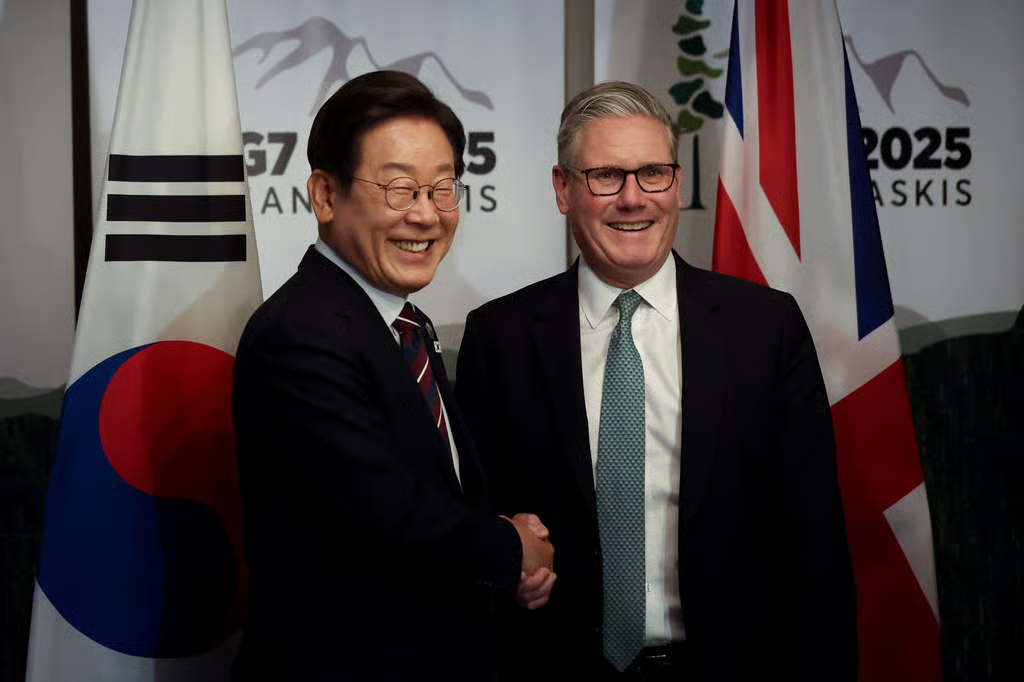
The UK South Korea critical minerals pact is advancing as Britain and South Korea move closer to finalizing a strategic partnership aimed at strengthening global supply chains for essential raw materials. The development comes as both countries prepare for high-level discussions at the upcoming G7 summit, where economic security and resource independence are expected to be key agenda items.
The proposed agreement reflects growing international efforts to reduce reliance on concentrated supply chains, particularly those dominated by China, and to secure stable access to minerals vital for modern industries.
UK South Korea Critical Minerals Pact Gains Momentum
The UK South Korea critical minerals pact has emerged as a priority diplomatic initiative between London and Seoul, with both governments working toward a framework agreement to enhance cooperation in sourcing, processing, and securing essential minerals.
The discussions are expected to progress further as Prime Minister Keir Starmer and South Korean President Lee Jae Myung prepare to attend the G7 leaders’ summit in France.
Key objectives of the proposed pact
The agreement is designed to:
- Strengthen supply chain resilience
- Expand bilateral cooperation in mineral sourcing
- Reduce dependency on single-country supply networks
- Improve industrial security for both nations
- Support clean energy and advanced technology sectors
Why Critical Minerals Matter for Both Countries
Critical minerals are essential components in modern industries, particularly in energy transition and high-tech manufacturing.
The UK South Korea critical minerals pact reflects shared concerns about supply chain vulnerability and long-term resource security.
Industries heavily dependent on critical minerals
These materials are used in:
- Electric vehicle batteries
- Semiconductor manufacturing
- Renewable energy systems
- Defense and aerospace technology
- Industrial steel production
South Korea’s import dependency
South Korea imports more than 95% of its critical minerals, making it highly exposed to global supply disruptions and export restrictions from dominant suppliers.
Strategic Push to Reduce Dependence on China
A key motivation behind the UK South Korea critical minerals pact is reducing reliance on Chinese-controlled supply chains.
China plays a dominant role in global processing and refining of many critical minerals, giving it significant influence over international markets.
Concerns driving diversification efforts
- Supply chain concentration risks
- Geopolitical trade tensions
- Export restrictions on rare earth materials
- Price volatility in global markets
Britain’s strategic interest
The UK is also seeking to:
- Attract investment into domestic mineral sectors
- Strengthen industrial resilience
- Build secure trade partnerships with allied nations
G7 Summit Role in Advancing the Deal
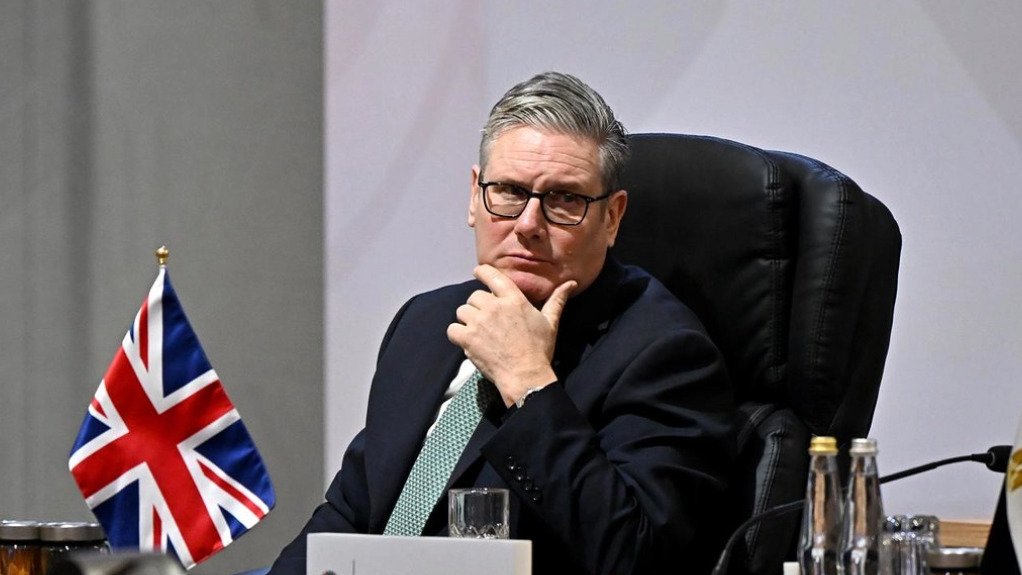
The upcoming G7 summit is expected to serve as a key platform for advancing the UK South Korea critical minerals pact.
Leaders from major economies are set to discuss global supply chain stability and resource security.
Key discussions expected at the summit
- Global mineral supply diversification
- Energy transition strategies
- Industrial cooperation frameworks
- Trade and economic security policies
Role of Keir Starmer and Lee Jae Myung
Both leaders are expected to use the summit to:
- Push bilateral cooperation forward
- Strengthen trade and energy partnerships
- Highlight industrial resilience strategies
Expansion of Global Critical Minerals Cooperation
The UK South Korea critical minerals pact is part of a broader international trend of countries forming partnerships to secure access to essential resources.
Previous cooperation efforts
The UK and South Korea previously agreed to explore collaboration in:
- Clean energy innovation
- Research and development sharing
- Industrial technology exchange
This new framework builds on earlier commitments made under previous administrations.
Global shift in mineral diplomacy
Countries are increasingly:
- Forming bilateral resource agreements
- Investing in mining diversification
- Supporting domestic processing industries
- Developing alternative supply routes
South Korea’s Strategic Mining Developments
South Korea has taken steps to strengthen its own resource production capabilities as part of its broader strategy linked to the UK South Korea critical minerals pact.
Reopening of tungsten mining operations
The government recently approved the reopening of a tungsten mine in Gangwon Province after more than three decades.
Significance of tungsten production
Tungsten is used in:
- Steel manufacturing
- Defense systems
- Aerospace technology
- Industrial machinery
When fully operational, the mine is expected to produce a significant portion of global tungsten supply outside China.
UK Perspective on the Partnership
British officials view the UK South Korea critical minerals pact as a key component of their long-term industrial strategy.
UK government priorities
- Strengthening supply chain security
- Promoting responsible sourcing practices
- Encouraging foreign investment
- Supporting clean energy transition
Official position
A UK government spokesperson stated that diversification of supply chains remains central to national strategy, with emphasis on responsible sourcing and environmental standards.
Expert Views on the Deal
Industry experts have described the UK South Korea critical minerals pact as strategically important but not sufficient on its own to resolve global supply challenges.
Key expert observations
- Partnership strengthens cooperation but not full independence
- Global mineral markets remain highly competitive
- Broader multilateral coordination is still needed
Long-term challenges
Experts highlight ongoing issues such as:
- Limited mining capacity outside dominant suppliers
- High costs of alternative supply development
- Environmental and regulatory constraints
- Need for transparent global governance
Broader Economic and Geopolitical Impact
The development of the UK South Korea critical minerals pact reflects a wider geopolitical shift in global resource management.
Key implications include:
- Increased competition for mineral resources
- Strengthening of regional alliances
- Growth in strategic trade partnerships
- Expansion of clean energy supply chains
Future outlook
If finalized, the pact could:
- Improve supply stability for both countries
- Encourage joint investment in mining projects
- Support technological innovation in resource processing
FAQ
What is the UK South Korea critical minerals pact?
It is a proposed agreement between Britain and South Korea to cooperate on securing and processing essential minerals used in modern industries.
Why are critical minerals important?
They are essential for electric vehicles, semiconductors, renewable energy systems, and defense technologies.
How does China relate to the agreement?
Both countries aim to reduce dependence on Chinese-controlled supply chains for critical minerals.
What role does the G7 summit play?
The G7 summit provides a platform for discussing and advancing international agreements on resource security and supply chain resilience.
Conclusion
The UK South Korea critical minerals pact represents a strategic effort by both nations to strengthen economic security and reduce reliance on concentrated global supply chains. As discussions continue ahead of the G7 summit, the agreement highlights the growing importance of international cooperation in securing resources vital to future industries and technological development.
Click here for more news