 0
0
 0
0
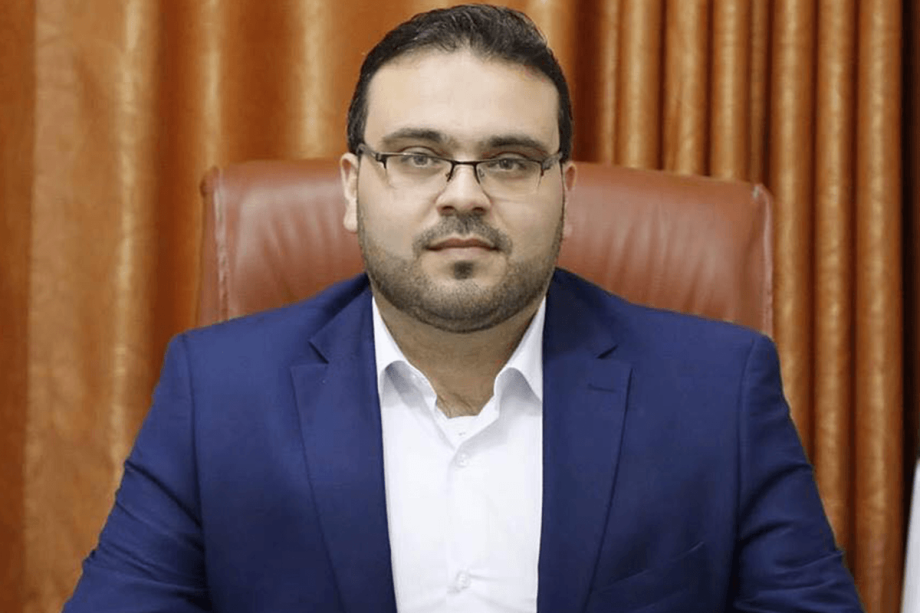
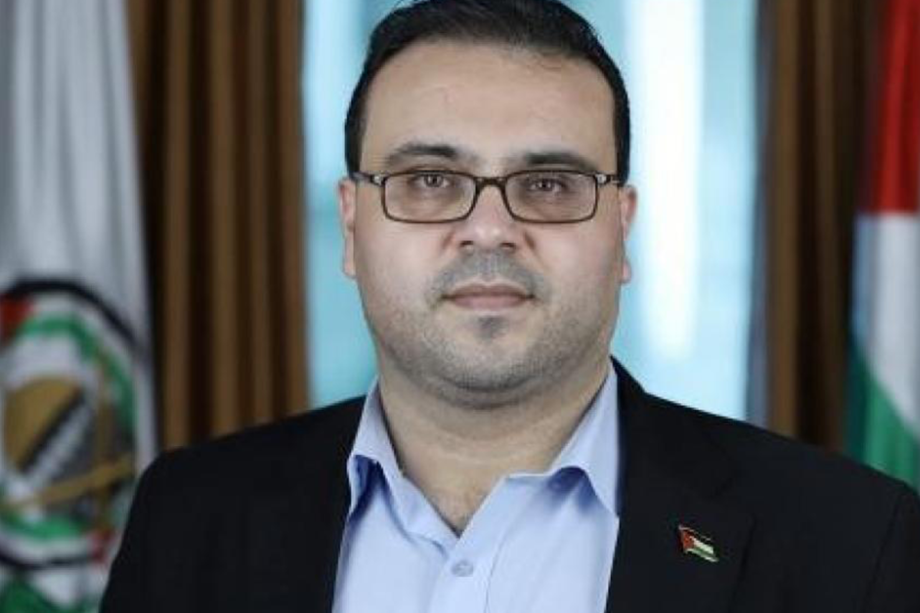
The Hamas Gaza Israeli narrative accusation has gained attention after Hamas spokesperson Hazem Qassem criticized recent comments made by Nikolay Mladenov, head of the so-called Board of Peace in Gaza, over his statements regarding the situation in the Gaza Strip and the role of the United Nations Security Council.
Qassem said Mladenov’s appeal for international pressure on Hamas reflects what he described as alignment with the Israeli narrative. According to him, the remarks ignore conditions on the ground in Gaza and contribute to justifying ongoing Israeli military actions and restrictions on humanitarian aid.
The statement adds another layer of tension to already complex international discussions surrounding Gaza, humanitarian access, and political accountability in the region.

Hamas Responds to UN-Linked Remarks on Gaza
Hamas issued a formal response through spokesperson Hazem Qassem, addressing comments attributed to Nikolay Mladenov regarding Gaza governance and international pressure.
Call for UN Security Council Pressure
Mladenov reportedly urged the UN Security Council to increase pressure on Hamas to fulfill certain commitments related to governance and security in Gaza.
Key Points From the Remarks
- Increased international pressure on Hamas
- Enforcement of political commitments
- Calls for improved conditions in Gaza governance
- Focus on regional stability discussions
Hamas rejected the framing of these remarks, arguing that they misrepresent the realities faced by civilians in Gaza.
Hamas Rejects Interpretation of Situation
Qassem stated that the call for pressure on Hamas reflects a biased perspective that aligns with Israeli positions.
He argued that such statements overlook what he described as ongoing humanitarian difficulties in the region, particularly restrictions on essential supplies.
Hamas Gaza Israeli Narrative Accusation Explained
The Hamas Gaza Israeli narrative accusation centers on claims that international statements are reinforcing Israel’s perspective on the conflict while ignoring Gaza’s humanitarian conditions.
Allegations of Bias in International Statements
Hamas claims that certain diplomatic remarks contribute to shaping global opinion in a way that supports Israeli policy positions.
Main Concerns Raised
- Perceived imbalance in international discourse
- Limited recognition of Gaza’s humanitarian conditions
- Framing of aid restrictions and security measures
- Political influence in UN-related discussions
These concerns reflect long-standing disagreements between Hamas and international actors over how the Gaza situation is described and addressed.
Impact on Gaza Political Narrative
The dispute highlights how language used by international officials can influence diplomatic perceptions of the conflict.
Observers note that competing narratives often shape international responses, including aid distribution and policy discussions.
Aid Access and Humanitarian Conditions in Gaza
A central issue raised in the Hamas Gaza Israeli narrative accusation is the condition of humanitarian aid access in Gaza.
Claims About Aid Restrictions
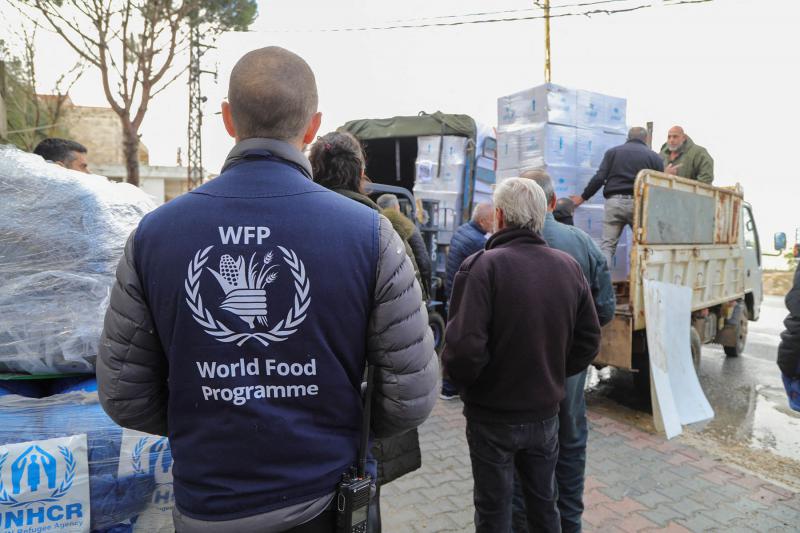
Hazem Qassem stated that Israel continues to restrict the entry of aid into Gaza, affecting civilian access to essential goods.

Reported Concerns Include
- Limited entry of humanitarian supplies
- Restrictions affecting food and medical resources
- Ongoing border control measures
- Challenges for aid distribution networks
These claims remain part of broader debates involving international organizations, humanitarian agencies, and regional authorities.
Contradictions in Aid Discussions
Qassem also criticized what he described as contradictions between public statements about increasing aid and the situation on the ground.
He argued that while international discussions mention improving aid flows, conditions suggest continued limitations.
Role of Nikolay Mladenov in Gaza Discussions
Nikolay Mladenov has been referenced in relation to diplomatic efforts and coordination involving Gaza and regional peace initiatives.
Board of Peace Responsibilities
Mladenov’s position includes involvement in discussions related to governance and stability in Gaza.
Key Focus Areas
- Political coordination
- International mediation efforts
- Security-related discussions
- Humanitarian coordination frameworks
His reported remarks calling for pressure on Hamas triggered the latest response from the group.
UN Security Council Involvement
The call for action from the UN Security Council reflects ongoing international engagement in the Gaza situation.
The Security Council often serves as a platform for addressing conflict-related issues, including humanitarian access and ceasefire discussions.
Ongoing Gaza Conflict and International Debate
The Hamas Gaza Israeli narrative accusation is part of a broader and long-running conflict that continues to draw global attention.
Diverging Political Perspectives
Different stakeholders present contrasting interpretations of events in Gaza.
Common Areas of Disagreement
- Security measures vs. humanitarian access
- Governance responsibility in Gaza
- Role of international organizations
- Accountability for escalation of violence
These disagreements contribute to ongoing diplomatic complexity.
Humanitarian Focus in International Discussions
International organizations continue to emphasize humanitarian concerns in Gaza, particularly regarding civilian protection and access to essential services.
Aid agencies often call for:
- Improved humanitarian corridors
- Protection of civilians
- Increased aid delivery
- Reduction of conflict-related disruptions
Media Narratives and Global Reactions
The discussion surrounding the Hamas Gaza Israeli narrative accusation also highlights how media and diplomatic statements influence global understanding of the conflict.
Influence of Public Statements
Statements from political and international figures can shape public perception of the conflict.
Key Factors Include
- Framing of responsibility
- Language used in official reports
- Media interpretation of events
- International diplomatic positioning
Competing Interpretations
Different narratives often lead to contrasting conclusions about the situation in Gaza.
Some emphasize security concerns, while others focus on humanitarian impacts and aid access limitations.
Regional and International Implications
The dispute between Hamas and Mladenov reflects broader regional tensions that extend beyond Gaza.
Diplomatic Sensitivities
Statements involving Gaza often have wider diplomatic implications involving multiple countries and international organizations.
Impact on Peace Efforts
Disagreements over narrative framing can complicate efforts to reach long-term political or humanitarian solutions.
Observers note that trust and communication remain key challenges in ongoing negotiations.
FAQ
Why did Hamas accuse Mladenov of adopting an Israeli narrative?
Hamas claims his statements to the UN Security Council reflect a position aligned with Israel and ignore conditions in Gaza.
What is the Hamas Gaza Israeli narrative accusation about?
It refers to Hamas’ claim that international remarks are reinforcing Israeli perspectives on Gaza while overlooking humanitarian issues.
What concerns did Hamas raise about Gaza aid?
Hamas said that Israel continues restricting aid entry, affecting food, medical supplies, and humanitarian assistance.
Who is Nikolay Mladenov in this context?
He is described as head of a Gaza-related Board of Peace, involved in diplomatic and coordination discussions concerning the region.
The Hamas Gaza Israeli narrative accusation highlights ongoing tensions over how the Gaza situation is interpreted and discussed internationally. While Hamas criticizes external statements as biased, international actors continue focusing on governance, security, and humanitarian access. The dispute reflects the wider complexity of the conflict and the challenges involved in reaching shared understanding among stakeholders.
Click here for more news