
 0
0
 0
0
The Spacesail satellite internet expansion strategy is attracting global attention as the Chinese state-backed company accelerates satellite deployments and signs international partnerships in markets where Starlink has traditionally dominated. The development comes at a significant moment for the satellite internet industry, coinciding with SpaceX’s historic public listing and growing competition in the global space communications sector.
As demand for satellite-based internet services continues to rise, new players are seeking opportunities to challenge established providers. Spacesail has emerged as one of the most ambitious contenders, leveraging state support, rapid satellite deployment, and partnerships with governments seeking alternatives to existing providers.
The company’s recent activities suggest that competition in low-Earth orbit satellite internet services could intensify significantly over the coming years.

Spacesail Satellite Internet Expansion Gains Momentum
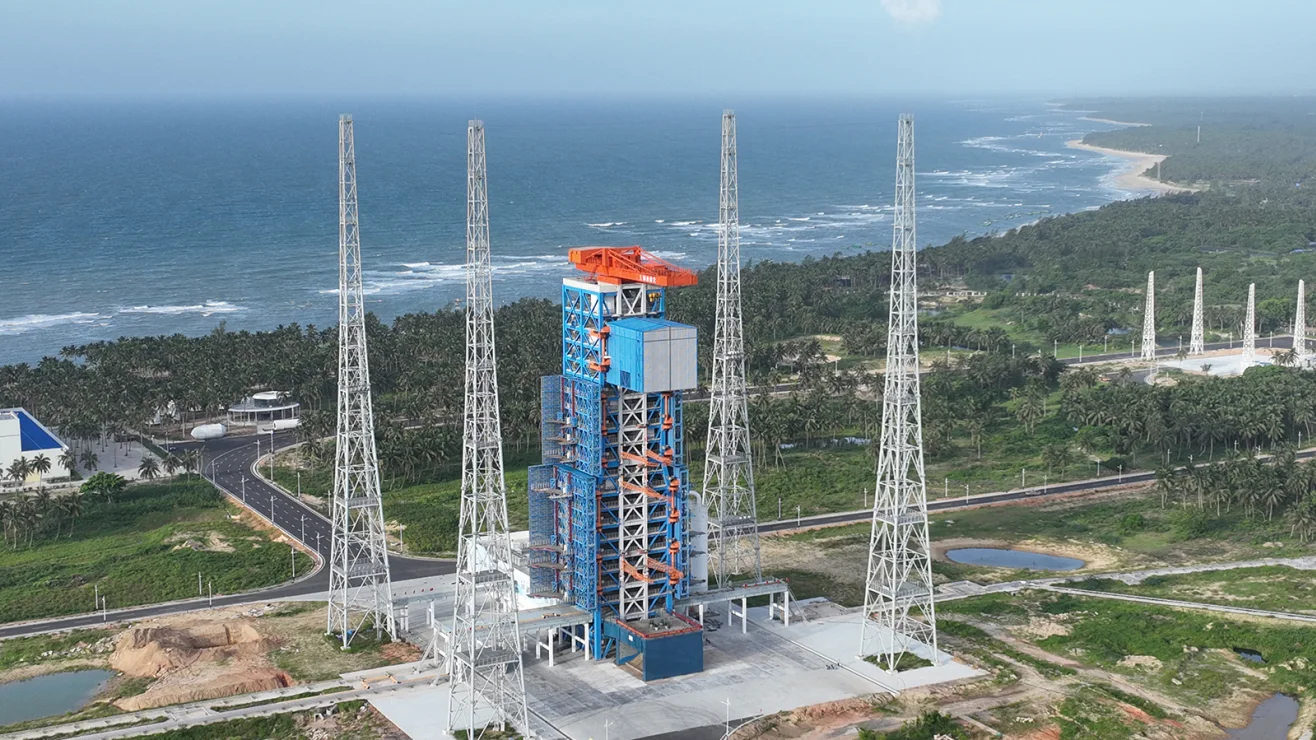
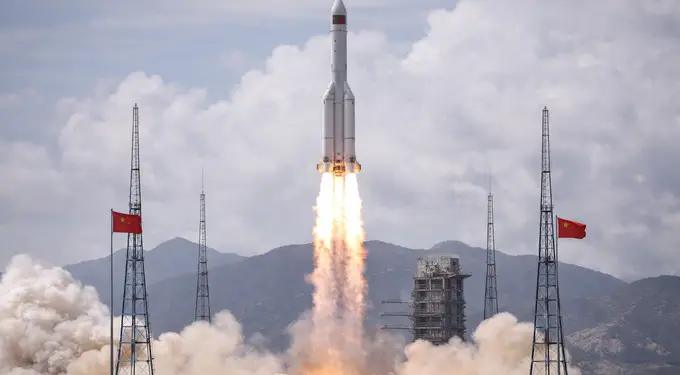
The Spacesail satellite internet expansion accelerated in early June after the company launched multiple batches of satellites within a short period.
According to reports, Spacesail launched two satellites aboard a reusable rocket on June 1 and continued deploying additional satellites over several days. By June 5, the company had reportedly placed around 200 satellites into orbit.
This rapid deployment reflects China’s broader ambitions to establish a strong presence in the growing satellite communications market.
Satellite Network Continues to Grow
The company’s long-term objective extends far beyond its current constellation.
Spacesail is reportedly aiming to build a network of approximately 15,000 satellites by 2030, positioning itself as a major competitor in the global satellite internet industry.
Such an expansion would significantly increase the company’s coverage capabilities and potentially allow it to serve millions of users worldwide.
Reusable Rocket Technology Plays Key Role
One notable aspect of the recent launches is the use of reusable rocket technology.
Reusable launch systems help reduce the cost of sending satellites into orbit by allowing portions of launch vehicles to be recovered and reused.
This approach has been instrumental in SpaceX’s success and is increasingly becoming a focus for other space programs seeking cost-effective deployment strategies.
How Spacesail Satellite Internet Expansion Targets Starlink Markets
Industry observers note that the Spacesail satellite internet expansion appears to be focused on countries where Starlink has encountered regulatory, political, or commercial challenges.
Rather than directly competing in every market simultaneously, Spacesail appears to be identifying regions where governments and telecom operators are seeking alternative satellite internet providers.
This targeted strategy has helped the company establish a presence in several international markets.
Focus on Regulatory Opportunities
In some countries, regulatory disputes have created opportunities for alternative providers.
Governments often require foreign technology companies to comply with local communications, licensing, and data protection regulations before offering services.
Where disagreements arise, competing providers may find openings to enter the market.
Industry analysts suggest that Spacesail has been particularly active in pursuing such opportunities.
Expanding Through Government Partnerships
Unlike many commercial technology companies that prioritize direct consumer sales, Spacesail’s growth strategy emphasizes government-level agreements and partnerships with state-affiliated telecommunications operators.
These partnerships can provide:
- Faster market entry
- Regulatory support
- Infrastructure access
- National coverage opportunities
- Long-term commercial agreements
This approach has become a key component of the company’s international expansion plans.
Competition With Starlink Intensifies
Starlink currently remains the world’s largest satellite internet provider.
Operated by SpaceX, the network consists of thousands of satellites delivering internet connectivity across more than 100 countries.
Starlink’s Global Position
Over the years, Starlink has established itself as a dominant force in satellite broadband services.
Its strengths include:
- Extensive satellite coverage
- Large customer base
- Established infrastructure
- Advanced launch capabilities
- Continuous network expansion
The company’s rapid growth helped transform satellite internet from a niche service into a mainstream connectivity option for millions of users.
Emerging Challenges for Starlink
Despite its market leadership, Starlink faces several challenges as competition increases.
Some markets have reported concerns related to:
- Service pricing
- Network congestion
- Regulatory requirements
- Local licensing issues
- Capacity limitations in densely populated areas
These challenges have created opportunities for new entrants seeking to attract governments and telecom operators looking for additional options.
International Partnerships Drive Growth
One of the most significant elements of the Spacesail satellite internet expansion strategy is its growing list of international partnerships.
The company has been actively pursuing agreements with telecommunications providers, government agencies, and commercial operators across multiple regions.
Expansion in Asia
Asia has emerged as an important focus area for satellite communications providers.
Reports indicate that Spacesail secured agreements with telecommunications partners in several Asian countries, allowing it to expand its regional footprint.
Such partnerships can provide access to existing infrastructure while helping accelerate commercial deployment.
Interest From African Markets
African countries are also attracting attention from satellite internet providers due to growing demand for reliable connectivity.
Large portions of the continent continue to face infrastructure challenges, creating opportunities for satellite-based solutions.
Industry experts suggest that governments across Africa are increasingly interested in additional providers that can complement existing connectivity options.
Opportunities in Latin America
Latin America has become another strategic target for satellite communications companies.
Several countries in the region have shown interest in expanding broadband access through satellite technologies, particularly in remote and underserved communities.
These markets may become increasingly competitive as multiple providers seek long-term contracts and partnerships.
What Spacesail’s Growth Means for the Industry
The rise of Spacesail could reshape the competitive landscape of satellite internet services.
For years, Starlink enjoyed a significant first-mover advantage, benefiting from its large constellation and advanced launch capabilities.
However, increased competition may create new dynamics across the industry.
More Choices for Governments
Governments often prefer having multiple suppliers rather than relying on a single provider.
Additional competition can improve:
- Pricing flexibility
- Service negotiations
- Technology options
- Infrastructure resilience
- National communications security
The arrival of new providers could strengthen the bargaining position of countries seeking satellite connectivity solutions.
Potential Benefits for Consumers
Consumers may also benefit from increased competition.
Historically, competition in technology markets has often contributed to:
- Lower prices
- Improved service quality
- Faster innovation
- Expanded coverage
- Better customer support
Whether these outcomes emerge in satellite internet remains to be seen, but industry observers believe competition could accelerate improvements.
U.S. Concerns Over China’s Space Ambitions
The Spacesail satellite internet expansion has also attracted attention from policymakers and analysts in the United States.
As countries adopt satellite networks developed by foreign providers, questions often arise regarding infrastructure dependence, technology standards, and strategic interests.
Technological Gap Still Exists
Despite Spacesail’s rapid growth, some analysts argue that a technological gap remains between Chinese satellite operators and SpaceX.
SpaceX’s Falcon 9 launch system has demonstrated a high level of reusability and operational efficiency over many years.
Some experts believe China still faces challenges in achieving similar levels of launch frequency and cost efficiency.
Growing Strategic Competition
The competition extends beyond commercial internet services.
Satellite networks increasingly support:
- Communications
- Navigation
- Emergency response
- Logistics
- Economic development
As a result, many governments view satellite infrastructure as a strategically important technology sector.
Future Outlook for Spacesail
The future of the Spacesail satellite internet expansion will likely depend on several factors, including technological development, funding availability, regulatory approvals, and customer adoption.
The company reportedly raised more than $1 billion in funding and continues seeking additional capital to support its long-term satellite deployment goals.
Commercial Services Expected to Expand
With 200 satellites reportedly in orbit, Spacesail has already begun exploring commercial applications.
One of its early use cases involves maritime vessel tracking, with broader internet connectivity services expected to follow.
Industry observers expect additional service offerings to emerge as the satellite constellation grows.
Challenges Remain Ahead
Despite recent progress, satellite internet remains a highly competitive and capital-intensive industry.
Key challenges include:
- High deployment costs
- Regulatory approvals
- Customer acquisition
- Network maintenance
- Technological innovation
Success will likely depend on the company’s ability to scale efficiently while maintaining reliable service quality.
FAQ
What is Spacesail satellite internet expansion?
Spacesail satellite internet expansion refers to the Chinese company’s efforts to rapidly deploy satellites, enter international markets, and compete with established providers such as Starlink.
How many satellites has Spacesail launched?
Reports indicate that Spacesail reached approximately 200 satellites in orbit after multiple launches conducted in early June 2026.
Why is Spacesail competing with Starlink?
Spacesail aims to provide alternative satellite internet services in markets where governments, telecom providers, and consumers seek additional options beyond Starlink.
What countries is Spacesail targeting?
The company has pursued partnerships and opportunities across Asia, Africa, Latin America, and other regions where satellite internet demand continues to grow.
The expansion of Spacesail represents one of the most significant developments in the satellite communications industry in recent years. As the company continues deploying satellites and securing international partnerships, competition with Starlink is expected to intensify. Whether Spacesail can achieve long-term success on a global scale remains uncertain, but its growing presence is already influencing the future direction of satellite internet services worldwide.
Click here for more news