 0
0
 0
0
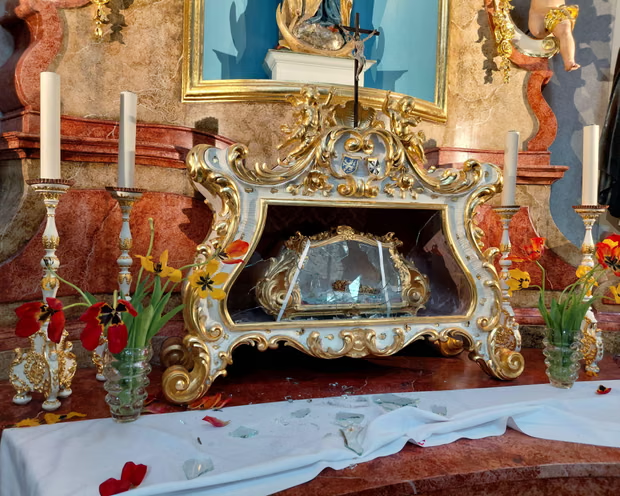
Saint Zdislava skull theft has drawn national and international attention after a rare medieval relic was stolen from a church in northern Czech Republic. Authorities confirmed that an unknown individual removed an 800-year-old skull believed to belong to Saint Zdislava of Lemberk from a display case inside a basilica and fled the scene. Police have since launched an active investigation and are calling on the public for assistance in identifying the suspect and recovering the artifact.
The incident has raised concerns about the security of historical religious artifacts and the protection of cultural heritage sites across the country.
Theft at Jablonné v Podještědí Basilica
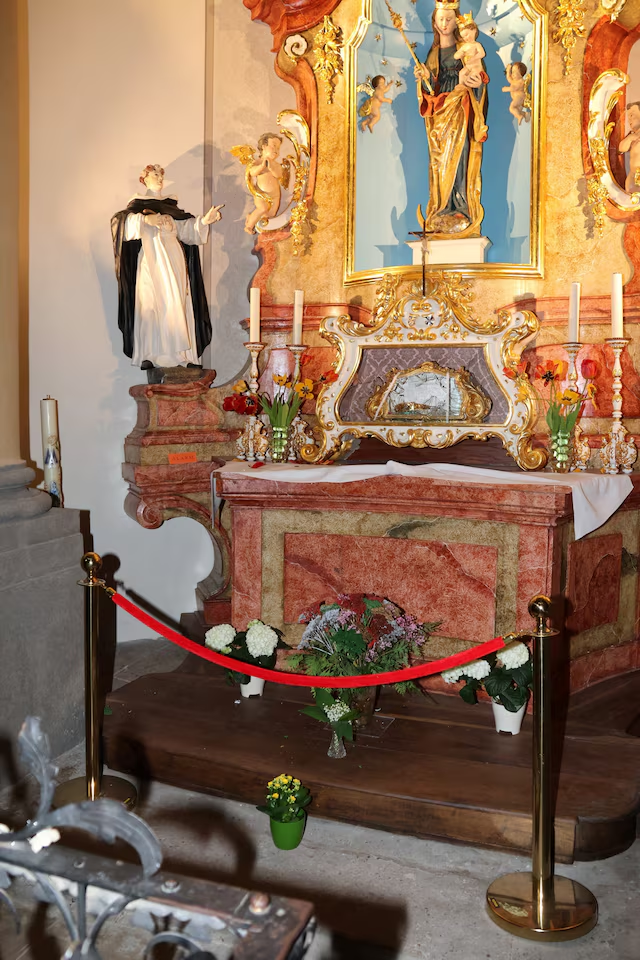
The theft occurred at the Basilica of Saint Lawrence and Saint Zdislava in Jablonné v Podještědí, located in northern Czech Republic, approximately 110 kilometers from Prague. The site is known for its religious significance and historical connection to Saint Zdislava.
Timeline of incident
Investigators determined that the Saint Zdislava skull theft took place within a narrow window between 6:00 p.m. and 6:15 p.m. local time. During this short period, the suspect entered the church, accessed the display area, and removed the relic without immediate interception.
Key points from the timeline include:
- Entry into the basilica during public visiting hours
- Breach of a display case containing the relic
- Quick exit from the building within approximately 15 minutes
- Immediate disappearance from the surrounding area
Authorities believe the short timeframe suggests premeditation and familiarity with the church layout or visitor patterns.
Security footage details
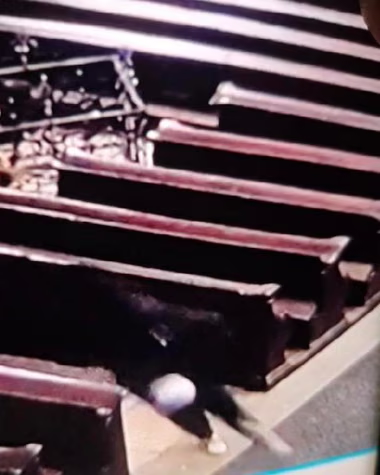
Security cameras captured unclear but critical footage showing an individual dressed in dark clothing moving quickly through the church interior. The footage appears to show the person holding an object consistent with a human skull while running between church benches.
Investigators have noted:
- The suspect wore dark clothing and light-colored shoes
- Movements suggest urgency and planned escape
- The object carried matched the description of the relic
Although initial reports identified the suspect as male, later updates from police clarified that the identity and gender remain uncertain.
Who was Saint Zdislava of Lemberk
Saint Zdislava of Lemberk is a revered figure in Czech religious history, believed to have lived in the 13th century. She is widely respected for her charitable works and dedication to helping the poor and sick.
Historical significance
Saint Zdislava is considered one of the earliest canonized saints connected to the Czech lands. Her legacy is strongly tied to acts of compassion and religious devotion during the medieval period.
Her significance includes:
- Recognition as a medieval noblewoman dedicated to charity
- Association with healing and assistance to the poor
- Longstanding veneration within Czech Catholic tradition
The stolen relic, believed to be part of her remains, holds both religious and historical importance, making it a valuable artifact beyond its physical composition.
Importance of relics in Czech heritage
Relics such as the Saint Zdislava skull theft case are deeply embedded in European religious tradition. In Czech cultural heritage, such items are preserved as symbols of faith, history, and continuity.
Relics often serve:
- As pilgrimage attractions for believers
- As historical links to medieval Christian communities
- As protected cultural heritage objects under church stewardship
The loss of such a relic is seen as both a spiritual and cultural disruption.
Police investigation and public appeal
The Police of the Czech Republic have launched a formal investigation into the theft, treating the case as a serious cultural property crime. Authorities have intensified efforts to trace the suspect and recover the missing relic.
Evidence and suspect description
Investigators are currently analyzing security footage and collecting eyewitness accounts. While visual evidence exists, the image quality has limited precise identification.
Current known details include:
- A single suspect seen inside the basilica
- Dark clothing with light-colored footwear
- Possible possession of the skull during exit
- Uncertainty regarding gender and identity
Police have emphasized that all interpretations remain provisional as forensic review continues.
Call for information
Authorities have issued a public appeal urging anyone with information about the Saint Zdislava skull theft to come forward. The statement highlights the importance of community assistance in locating both the suspect and the relic.
The appeal encourages:
- Reporting suspicious activity near churches or museums
- Providing video or photo evidence from the area
- Sharing any relevant travel or witness information from the time of the incident
Cultural impact and security concerns
The theft has sparked wider discussion about the protection of religious artifacts and the security measures in place at heritage sites.
Protection of religious artifacts
Churches across Europe often balance public access with the need to protect valuable historical objects. This case highlights vulnerabilities in that balance, particularly in smaller or less heavily secured sites.
Security challenges include:
- Limited surveillance coverage in older buildings
- High visitor accessibility during open hours
- Difficulty securing irregularly shaped relic displays
The Saint Zdislava skull theft has intensified calls for improved safeguards without restricting public access to heritage sites.
Past relic theft cases in Europe
Relic thefts are not unprecedented in Europe, where religious artifacts can carry both spiritual and monetary value. Similar cases have involved thefts from churches, museums, and private collections.
Common motivations behind such crimes include:
- Illicit collection of rare artifacts
- Illegal resale on underground markets
- Opportunistic theft due to weak security systems
These incidents often lead to long investigations and international cooperation between law enforcement agencies.
What happens next in investigation
Authorities continue to pursue leads as forensic experts review available surveillance footage and possible exit routes from the basilica.
Recovery efforts
Efforts to recover the relic focus on:
- Tracking potential resale or transport channels
- Monitoring black market activity for religious artifacts
- Coordinating with international heritage protection units
Police have stressed that the Saint Zdislava skull theft remains an active case, and updates will be provided as new information becomes available.
FAQ
What happened in the Saint Zdislava skull theft case in Czech Republic?
An 800-year-old skull believed to belong to Saint Zdislava was stolen from a basilica in northern Czech Republic during a short time window in the evening.
Where did the Saint Zdislava skull theft take place?
The incident occurred at the Basilica of Saint Lawrence and Saint Zdislava in Jablonné v Podještědí, located about 110 km north of Prague.
What evidence do police have in the Saint Zdislava skull theft investigation?
Police are reviewing security camera footage showing a suspect dressed in dark clothing fleeing the church with what appears to be the relic.
Why is the stolen skull historically important?
The skull is believed to belong to Saint Zdislava of Lemberk, a medieval Czech saint known for her charitable works and religious significance.
Conclusion
The Saint Zdislava skull theft has become a significant cultural and investigative case in the Czech Republic, drawing attention to the vulnerability of historic religious artifacts. As police continue their investigation, the focus remains on identifying the suspect and recovering the stolen relic. The outcome of the case is expected to influence future security approaches for heritage sites and religious institutions across the region.
Click here for more news