 0
0
 0
0
The Europe heatwave Ukraine story has become a growing concern as one of the continent’s most intense heatwaves spreads eastward, bringing extreme temperatures and placing additional pressure on Ukraine’s war-damaged electricity network.
After sweeping across Western and Central Europe, the prolonged heatwave reached Eastern Europe on Monday, with Ukrainian authorities warning that soaring temperatures could place significant stress on an energy system already weakened by years of conflict.

Record Heatwave Expands Across Europe
The Europe heatwave Ukraine situation comes after days of exceptionally high temperatures across much of the continent.
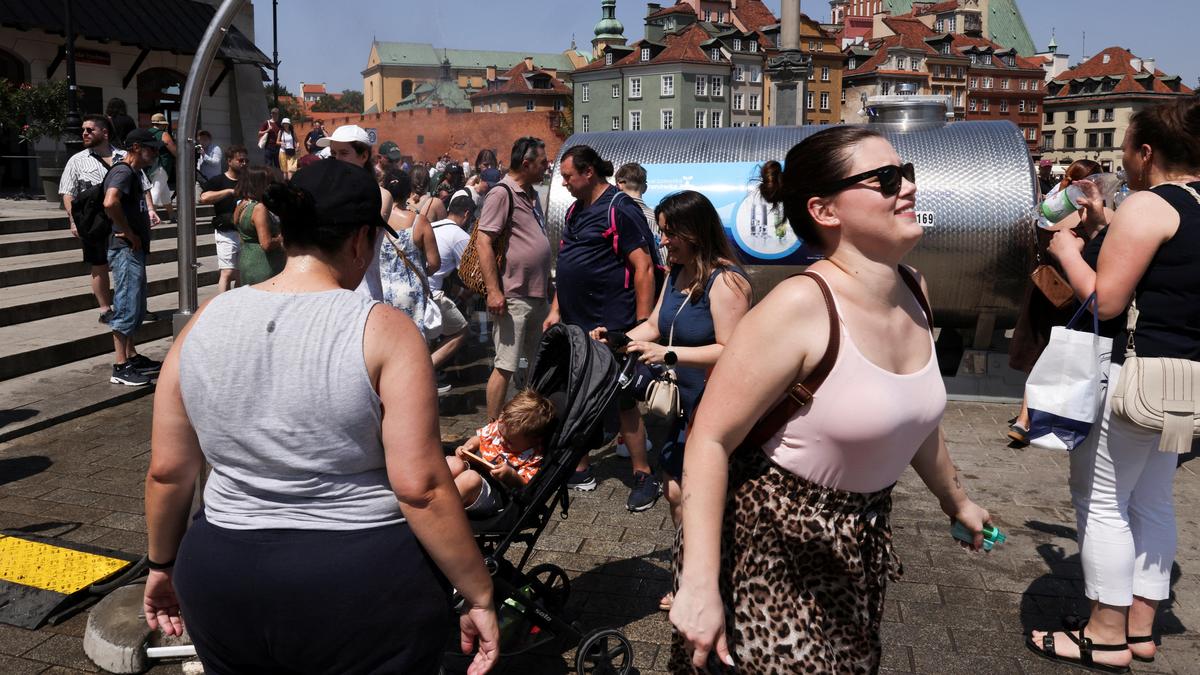
Several European countries have recorded new temperature records, while emergency services have responded to rising numbers of heat-related incidents. Health officials continue urging residents to stay hydrated, avoid unnecessary outdoor activities during peak temperatures and check on vulnerable family members.
Scientists have also noted that this year’s heatwave ranks among the earliest and most severe ever experienced across Europe.
Millions Experience Dangerous Heat
Large parts of Central and Eastern Europe are expected to experience temperatures above 35°C, with some regions approaching or exceeding 40°C.
Countries including Germany, Poland and the Czech Republic have reported record-breaking temperatures, while firefighters in parts of the Balkans have battled wildfires linked to the prolonged heat.
Ukraine’s Power Grid Faces Another Challenge
The Europe heatwave Ukraine emergency has added another layer of pressure to Ukraine’s electricity system, which has suffered repeated damage during more than four years of war.
Grid operators in several Ukrainian regions announced temporary electricity usage restrictions as energy demand increases during the hottest periods of the day.
Officials warned that the combination of soaring temperatures and ongoing repair work could make it more difficult to maintain a stable electricity supply.
Repairs Continue Under Difficult Conditions
Ukraine’s energy companies continue working to repair infrastructure damaged during previous attacks.
According to energy officials, summer is normally the busiest period for maintenance work ahead of winter. However, repair teams are now operating under additional pressure as extreme heat increases electricity consumption while placing greater strain on ageing equipment.

Heatwave Linked to Rising Health Risks
The Europe heatwave Ukraine crisis forms part of a broader public health emergency affecting much of the continent.
The World Health Organization’s regional office reported more than 1,300 excess deaths across Europe since late June, with authorities also recording an increase in drowning incidents as people sought relief from high temperatures.
France reported dozens of drowning deaths in recent weeks, while Poland also confirmed multiple fatalities linked to water accidents during the heatwave.
Authorities Urge Public Precautions
Governments across Europe have encouraged residents to take precautions, including:
- Staying hydrated throughout the day.
- Avoiding prolonged exposure to direct sunlight.
- Checking on elderly relatives and vulnerable neighbours.
- Following official weather and emergency guidance.
- Limiting strenuous outdoor activities during peak afternoon temperatures.
Climate Experts Monitor Historic Conditions
Climate researchers say the Europe heatwave Ukraine event reflects a growing trend of more frequent and intense heatwaves across the continent.
The World Weather Attribution group has stated that such extreme temperatures occurring this early in the summer would have been highly unlikely without the influence of climate change.
Meteorological agencies are also monitoring the possibility of another significant heatwave developing later in the summer.
Energy Networks Under Pressure
Extreme heat not only affects public health but also places additional demand on electricity networks due to increased use of cooling systems and air conditioning.
For Ukraine, where parts of the power grid continue to recover from wartime damage, maintaining electricity supplies during prolonged periods of extreme heat remains a significant operational challenge.
What Happens Next?
Weather forecasts indicate that high temperatures are expected to persist across parts of Europe over the coming days.
Ukrainian authorities will continue monitoring electricity demand while energy companies work to complete essential repairs and minimise disruptions.
Elsewhere across Europe, emergency services remain on alert for wildfires, heat-related illnesses and additional pressure on transport and public infrastructure.
Frequently Asked Questions
Why is the Europe heatwave Ukraine situation important?
The Europe heatwave Ukraine event is significant because extreme temperatures are placing additional stress on Ukraine’s already damaged electricity network while also affecting millions across Europe.
Which countries have recorded record temperatures?
Germany, Poland and the Czech Republic have all reported new national or regional temperature records during the current heatwave.
Why is Ukraine’s power grid vulnerable?
Ukraine’s electricity infrastructure has sustained extensive damage during years of war, making it more susceptible to increased demand during periods of extreme heat.
How are European authorities responding?
Governments have issued heat warnings, introduced public safety measures and continued monitoring health, energy and emergency services as temperatures remain exceptionally high.
Conclusion
The Europe heatwave Ukraine crisis highlights the growing challenges posed by extreme weather across the continent. While much of Europe continues to cope with record-breaking temperatures, Ukraine faces the added difficulty of protecting an energy network already weakened by years of conflict. Authorities across the region remain focused on safeguarding public health and maintaining critical infrastructure as the heatwave continues.
PLEASE CLICK HERE FOR MORE NEWS