

 0
0
 0
0
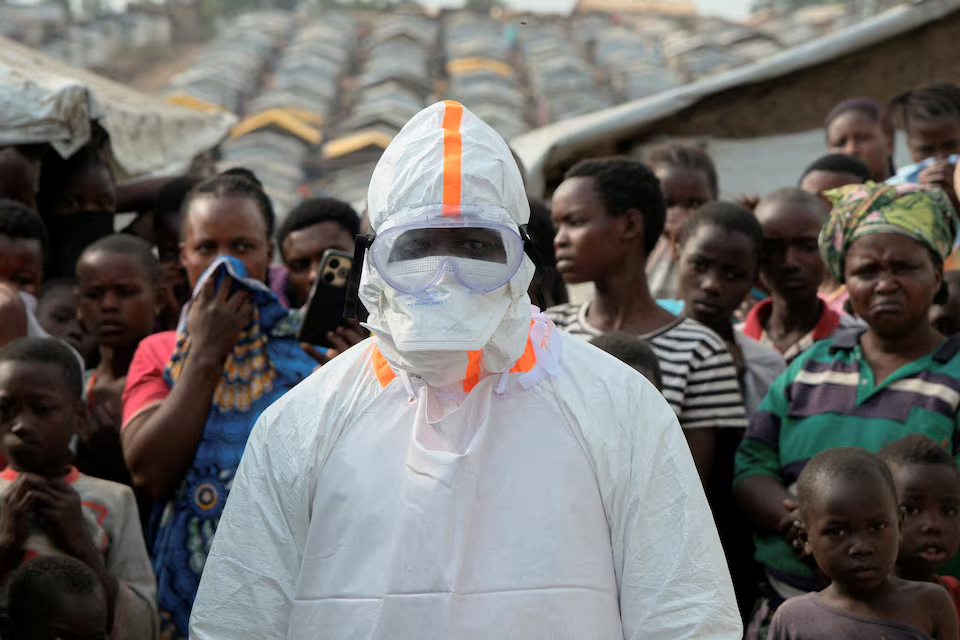
The Congo Ebola gathering ban has sparked criticism from opposition parties and civil society organizations after authorities prohibited public demonstrations and mass gatherings in several provinces that have not reported confirmed Ebola cases. Government officials say the restrictions are intended to prevent the deadly virus from spreading, while critics argue the measures could limit constitutional freedoms and political expression.
The decision comes as the Democratic Republic of Congo continues to battle one of its most severe Ebola outbreaks, with infections and deaths rising across multiple provinces. The growing health emergency has also raised concerns among neighboring countries and international health agencies.
Congo Ebola Gathering Ban Draws Political Criticism
Authorities announced over the weekend that public demonstrations and mass gatherings would be prohibited in Kinshasa, Tshopo, Haut-Uele, and Bas-Uele provinces.
Although none of these provinces have confirmed Ebola cases, officials said the restrictions are designed to reduce the risk of the virus spreading into new regions.
The Congo Ebola gathering ban has been challenged by opposition leaders, who argue that the decision goes beyond public health concerns and could restrict freedom of speech and peaceful assembly.
Opposition Questions the Restrictions
Political opposition groups described the restrictions as unconstitutional.
Members of the Lamuka coalition claimed the timing of the ban could affect a planned demonstration in Kinshasa scheduled for early next month. The protest is expected to focus on proposed constitutional reforms that could allow President Felix Tshisekedi to seek a third presidential term.
Civil society organizations also criticized the restrictions, saying citizens should continue to enjoy their constitutional rights while public health measures are implemented.
Ebola Outbreak Continues to Expand
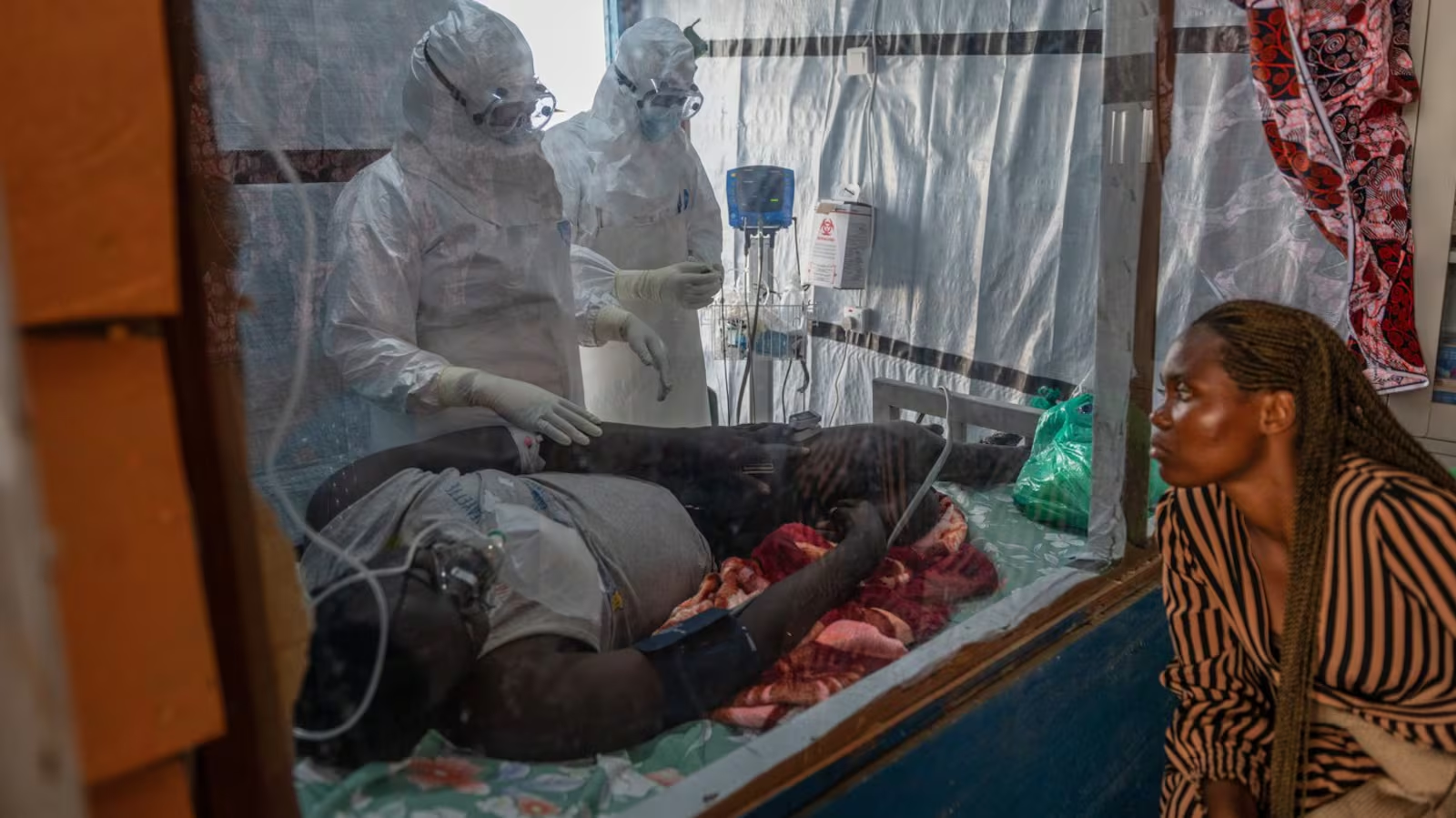
The Congo Ebola gathering ban comes as the country’s latest Ebola outbreak continues to worsen.
Health authorities have reported:
- 1,307 confirmed infections
- 377 deaths
- Cases across Ituri, North Kivu, and South Kivu provinces
Officials have warned that the outbreak could become the country’s largest Ebola emergency if transmission is not brought under control.
No Approved Treatment or Vaccine
The current outbreak involves a strain of Ebola for which there is currently no approved treatment or vaccine, making containment efforts particularly challenging.
Health experts continue to emphasize the importance of early detection, contact tracing, isolation of infected individuals, and community cooperation to slow transmission.
President Tshisekedi Announces Emergency Response Plan
During a televised national address, President Felix Tshisekedi unveiled a $319 million national response plan aimed at strengthening the country’s fight against Ebola.
The president urged citizens to:
- Follow public health guidelines.
- Report suspected Ebola cases immediately.
- Avoid spreading misinformation.
- Cooperate with health authorities.
While discussing the outbreak, Tshisekedi did not directly address criticism surrounding the Congo Ebola gathering ban.
He described Ebola as a serious public health emergency requiring collective responsibility and national solidarity.
Health Workers Face Security and Community Challenges
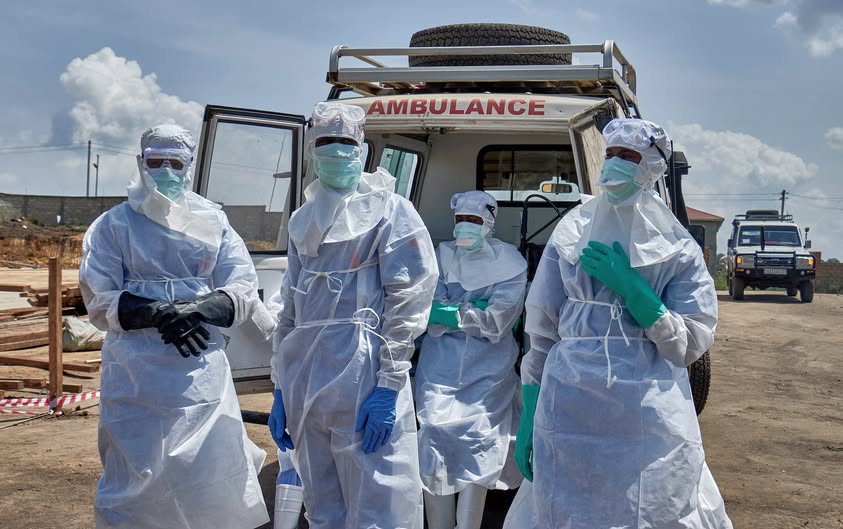
Medical teams responding to the outbreak continue to face significant obstacles in affected communities.
Some residents have expressed skepticism about Ebola, while health workers have reported isolated attacks and resistance during response operations.
These challenges have complicated efforts to identify infections quickly and prevent further community transmission.
Violence Slows Response Efforts
The World Health Organization has warned that insecurity in eastern Congo is making Ebola containment more difficult.
Armed groups continue to operate across parts of Ituri and North Kivu, limiting access to remote communities.
Attacks linked to the Allied Democratic Force have forced thousands of people from their homes, creating overcrowded displacement camps where infectious diseases can spread more easily.
International Concerns Grow
The Ebola outbreak is no longer confined entirely to Congo.
Health authorities have confirmed:
- Ebola cases in neighboring Uganda.
- One confirmed case in France involving a doctor who recently returned from Congo.
The United Nations has warned that if the outbreak spreads further into neighboring countries such as Rwanda and Angola, the economic impact could reach $3.6 billion while putting approximately 328,000 jobs at risk across Africa.
The Congo Ebola gathering ban is therefore being viewed as one of several measures intended to reduce opportunities for wider transmission.
Why the Outbreak Remains Difficult to Control
More than a month after the outbreak began, health officials continue to face major challenges.
Authorities have not yet identified the first infected patient, often referred to as patient zero, making it more difficult to determine how the virus initially spread.
Contact tracing also remains challenging because of population movements, insecurity, and limited access to some affected communities.
Health experts warn that without stronger surveillance and community cooperation, the outbreak could continue to outpace response efforts.
Frequently Asked Questions
What is the Congo Ebola gathering ban?
The Congo Ebola gathering ban refers to government restrictions prohibiting public demonstrations and mass gatherings in several provinces as officials attempt to prevent the spread of Ebola.
Why are opposition groups criticizing the Congo Ebola gathering ban?
Opposition parties and civil society organizations argue the restrictions may limit constitutional rights, including freedom of speech and peaceful assembly, particularly because some affected provinces have reported no Ebola cases.
How serious is the current Ebola outbreak in Congo?
The outbreak has infected more than 1,300 people and caused hundreds of deaths, making it one of the country’s most serious Ebola emergencies in recent years.
Why is the Ebola response facing difficulties?
Health officials continue to face challenges including insecurity, attacks on health workers, community skepticism, limited access to affected areas, and difficulties tracing contacts and identifying the outbreak’s origin.
Conclusion
The Congo Ebola gathering ban has become a focal point of both public health and political debate in the Democratic Republic of Congo. While authorities say the restrictions are necessary to reduce the risk of Ebola spreading beyond affected provinces, opposition groups maintain that constitutional freedoms must also be protected. As health officials work to contain the outbreak, the effectiveness of response measures and continued public cooperation will remain critical in limiting further infections.
PLEASE CLICK HERE FOR MORE NEWS


