 0
0
 0
0
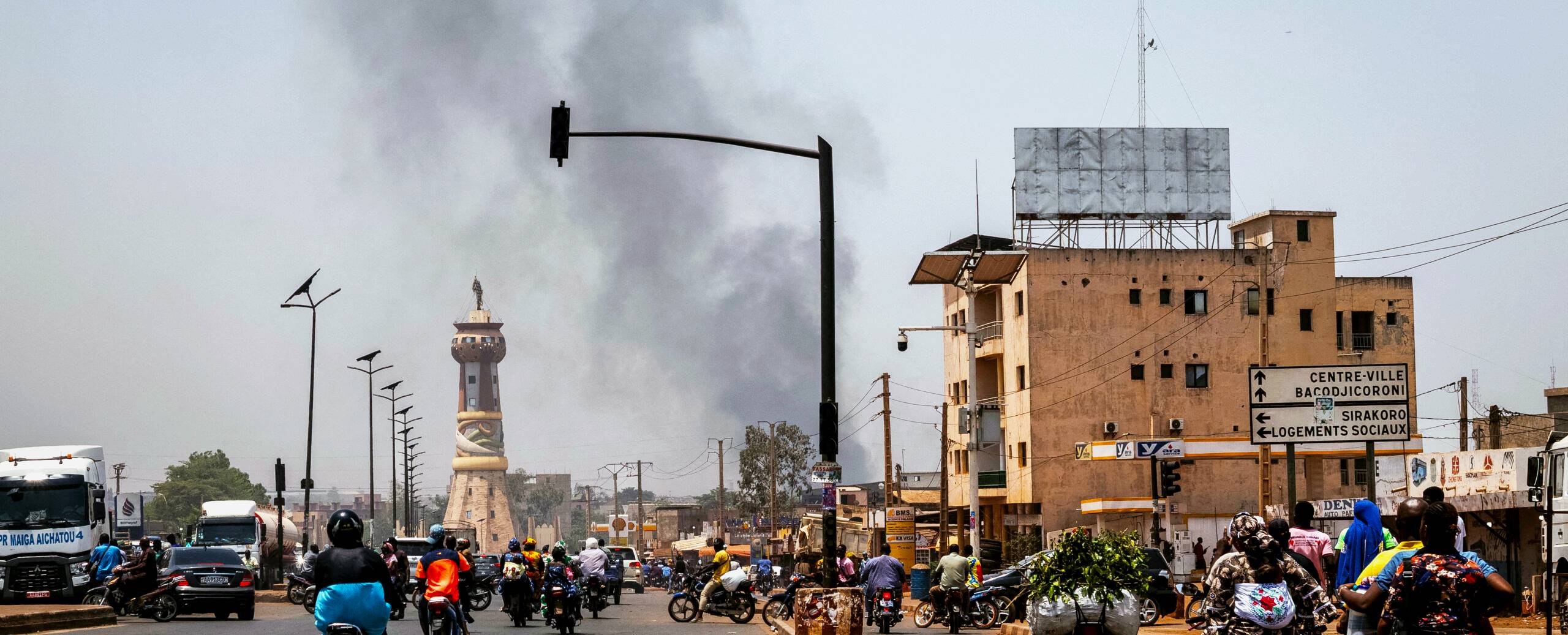
The Mali Armed Groups Fill Government Vacuum crisis continues to define the country’s security and political reality, as non-state actors increasingly take on roles traditionally held by government institutions. Years of instability have weakened state authority, allowing armed groups to expand their influence across large parts of the country.
Despite multiple military interventions and political transitions, violence remains widespread, pointing to deeper governance challenges that go beyond security operations alone.
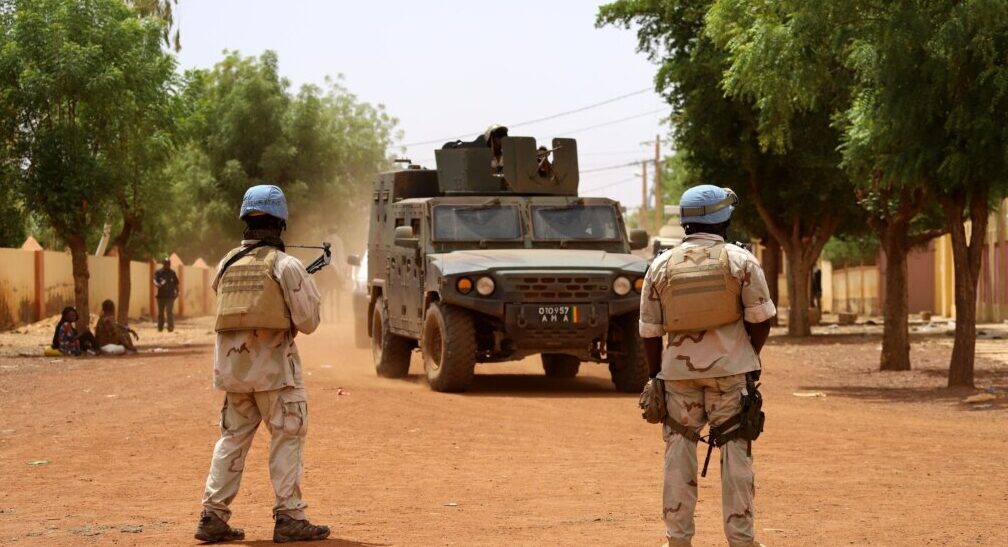
Political Instability Weakens State Authority
Crisis rooted in 2012 upheaval
Mali’s instability dates back to 2012, when a military coup and armed insurgency disrupted governance, particularly in the northern regions.
Since then:
- Transitional governments have struggled to restore stability
- State institutions have remained fragile
- National political structures have faced repeated disruptions
The situation worsened in 2025 when the ruling military leadership dissolved political parties, further weakening democratic processes.
Continued attacks highlight insecurity
Recent coordinated attacks by jihadist and separatist groups have reinforced the scale of the problem. These developments show how the Mali Armed Groups Fill Government Vacuum situation remains unresolved, with armed actors continuing to challenge state authority.
Expansion of Armed Groups Across Mali
Rise of extremist-linked networks
Groups linked to extremist organisations have steadily expanded their reach in Mali, especially in regions with limited government presence.
Among the most prominent are:
- Jama’at Nusrat al-Islam wal-Muslimin (JNIM)
- Islamic State in the Greater Sahara (ISGS)
These groups have adapted to local conditions, strengthening their presence through alliances and strategic positioning.
Local grievances drive influence
The Mali Armed Groups Fill Government Vacuum crisis has been fueled by unresolved local issues that armed groups exploit to gain support.
Key contributing factors include:
- Land and resource disputes
- Weak justice systems
- Corruption and governance failures
- Limited access to public services
By addressing these issues, armed groups often gain a degree of local acceptance.
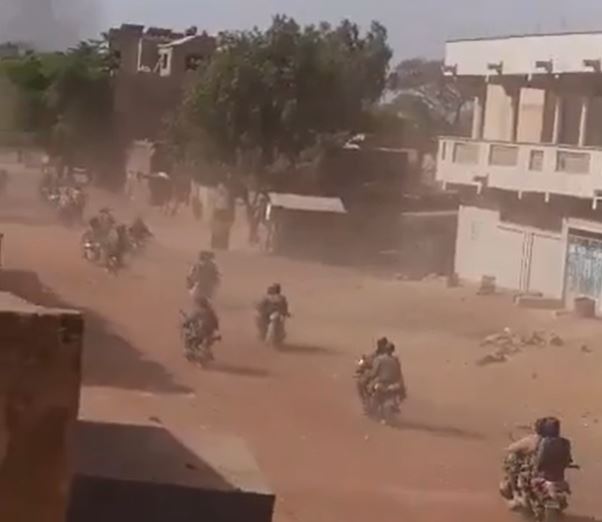
Armed Groups Acting as Local Authorities
Governance roles in rural regions
In many parts of central and northern Mali, armed groups have effectively taken on governance responsibilities due to the absence of state institutions.
They often:
- Mediate disputes within communities
- Enforce local rules
- Collect informal taxes
- Provide basic forms of security
This illustrates how deeply the Mali Armed Groups Fill Government Vacuum dynamic has taken hold.
Survival over ideology
For civilians, engagement with armed groups is often about survival rather than support for their ideology.
Communities may:
- Follow rules to avoid conflict
- Adapt to prevailing authority structures
- Seek protection in the absence of state support
This makes it harder to remove these groups through military means alone.
Why Military Solutions Have Fallen Short
Limitations of force-based interventions
International efforts have largely focused on military strategies, including interventions by foreign forces over the past decade.
However:
- Armed groups often regroup in remote areas
- Military victories are not always sustained
- Underlying social and governance issues remain
The Mali Armed Groups Fill Government Vacuum problem persists because root causes are not fully addressed.
Complex external involvement
The presence of multiple international actors has created a complicated security environment.
Challenges include:
- Differing strategic priorities
- Reduced coordination between forces
- Growing distrust among local populations
In some cases, these factors have made the situation more difficult to manage.
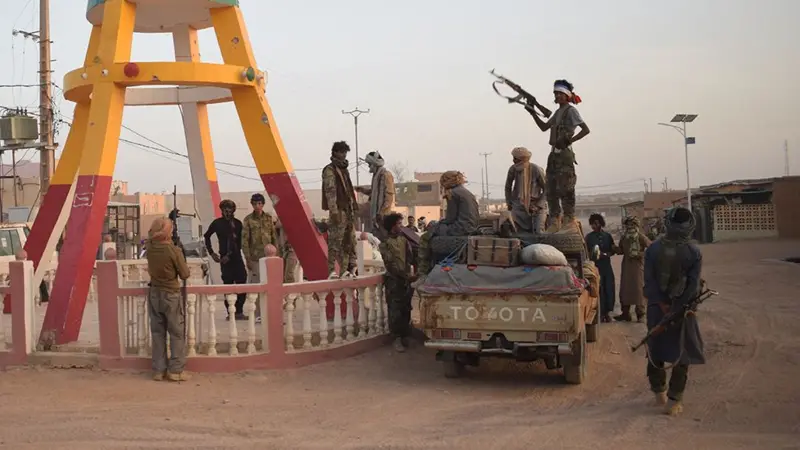
Impact on Communities and Daily Life
Civilians caught in the middle
Ordinary citizens are directly affected by the ongoing crisis, navigating a landscape shaped by insecurity and uncertainty.
Common challenges include:
- Limited access to healthcare and education
- Disruption of economic activities
- Constant exposure to violence
The Mali Armed Groups Fill Government Vacuum situation continues to influence everyday life.
Rising intercommunal tensions
Conflicts between different community groups have intensified, particularly in central Mali, where competition over land and resources is high.
These tensions:
- Increase local violence
- Create recruitment opportunities for armed groups
- Deepen existing divisions
Rethinking the Approach to Stability
Need for broader solutions
Experts suggest that addressing the Mali Armed Groups Fill Government Vacuum crisis requires more than military action.
Recommended approaches include:
- Strengthening local governance systems
- Improving access to justice
- Supporting community-based conflict resolution
- Addressing economic inequalities
Recognising local dynamics
Understanding how armed groups operate within communities is essential for developing effective strategies.
This involves:
- Acknowledging their influence
- Addressing governance gaps
- Building trust in state institutions
Global Context of Armed Group Influence
Similar patterns worldwide
Mali is not alone in experiencing this type of governance challenge. Similar situations have occurred in countries such as:
- Colombia
- Syria
- South Sudan
These examples show that the Mali Armed Groups Fill Government Vacuum issue reflects a broader global trend.
Lessons for policymakers
Key takeaways include:
- Governance and security must be addressed together
- Local legitimacy is critical for stability
- Long-term solutions require community engagement
Future Outlook for Mali
Ongoing uncertainty
Mali’s path to stability remains uncertain as long as governance gaps persist and armed groups maintain control in key areas.
Key challenges include:
- Rebuilding effective institutions
- Restoring public trust
- Managing political transitions
Long-term reforms needed
Addressing the Mali Armed Groups Fill Government Vacuum crisis will require sustained efforts focused on governance, development, and security reform.
FAQ Section
What does Mali Armed Groups Fill Government Vacuum mean?
It refers to armed groups taking over governance roles in areas where the government is weak or absent.
Why are armed groups influential in Mali?
They gain power by addressing local grievances and providing services where the state is lacking.
Have military interventions resolved the crisis?
No, military efforts have had limited success because they do not fully address underlying governance issues.
What solutions are being proposed?
Experts recommend strengthening local governance, improving justice systems, and addressing economic challenges.
Conclusion
The Mali Armed Groups Fill Government Vacuum crisis highlights the deep connection between governance and security. While military efforts continue, lasting stability will depend on addressing the structural issues that allow armed groups to thrive. Without meaningful reforms and stronger institutions, the cycle of violence is likely to persist.
PLEASE CLICK HERE FOR MORE NEWS