
 0
0
 0
0
The Peter Obi ADC meeting absence has intensified discussions within Nigeria’s opposition coalition after Peter Obi did not attend a key emergency meeting of the African Democratic Congress held in Abuja. The development has sparked renewed debate about unity, leadership, and strategy ahead of the 2027 general elections.
The meeting brought together several influential political figures, but Obi’s absence quickly became the central talking point among observers and party supporters.
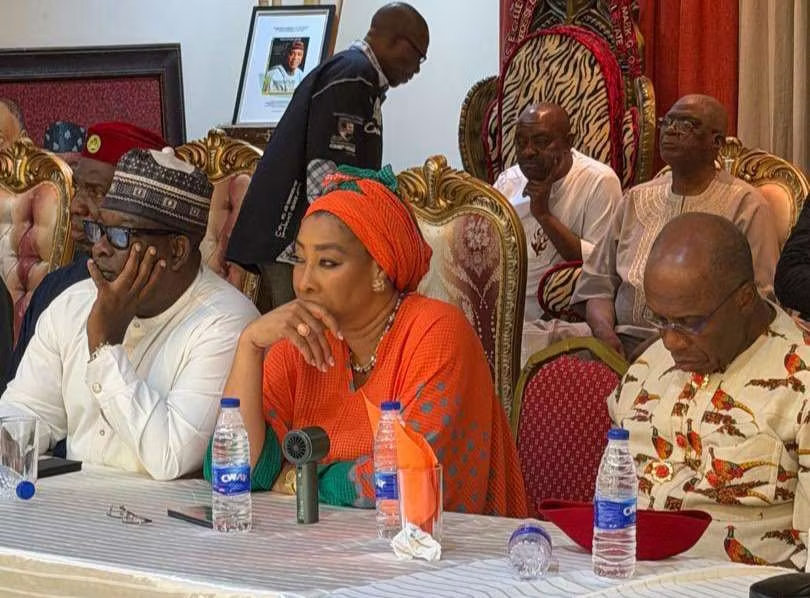
Emergency Meeting Held Amid Internal Challenges
The Peter Obi ADC meeting absence occurred during a crucial gathering aimed at addressing internal issues within the opposition coalition.
Purpose of the Meeting
The emergency session was reportedly convened to:
- Resolve leadership disputes within the coalition
- Address ongoing legal challenges affecting the party
- Strengthen the structure ahead of future elections
The discussions were seen as vital for stabilizing the coalition’s direction.
Key Political Figures in Attendance
Prominent politicians present at the meeting included:
- Atiku Abubakar
- Rotimi Amaechi
- Rauf Aregbesola
- Aminu Tambuwal
Their presence underscored the importance of the meeting in shaping opposition strategy.
Obi’s Absence Sparks Political Reactions
The Peter Obi ADC meeting absence quickly triggered mixed reactions across political circles and online platforms.
Supporters’ Perspective
Allies of Obi argued that:
- His absence should not be singled out
- Rabiu Kwankwaso was also absent
- Criticism targeting Obi alone may be politically motivated
Supporters maintained that focusing on one individual overlooks broader coalition dynamics.
Critics’ Concerns
Some critics, however, viewed the absence as:
- A sign of internal disagreement
- Evidence of coordination challenges within the coalition
- A reflection of ongoing leadership struggles
These differing interpretations have fueled further debate.
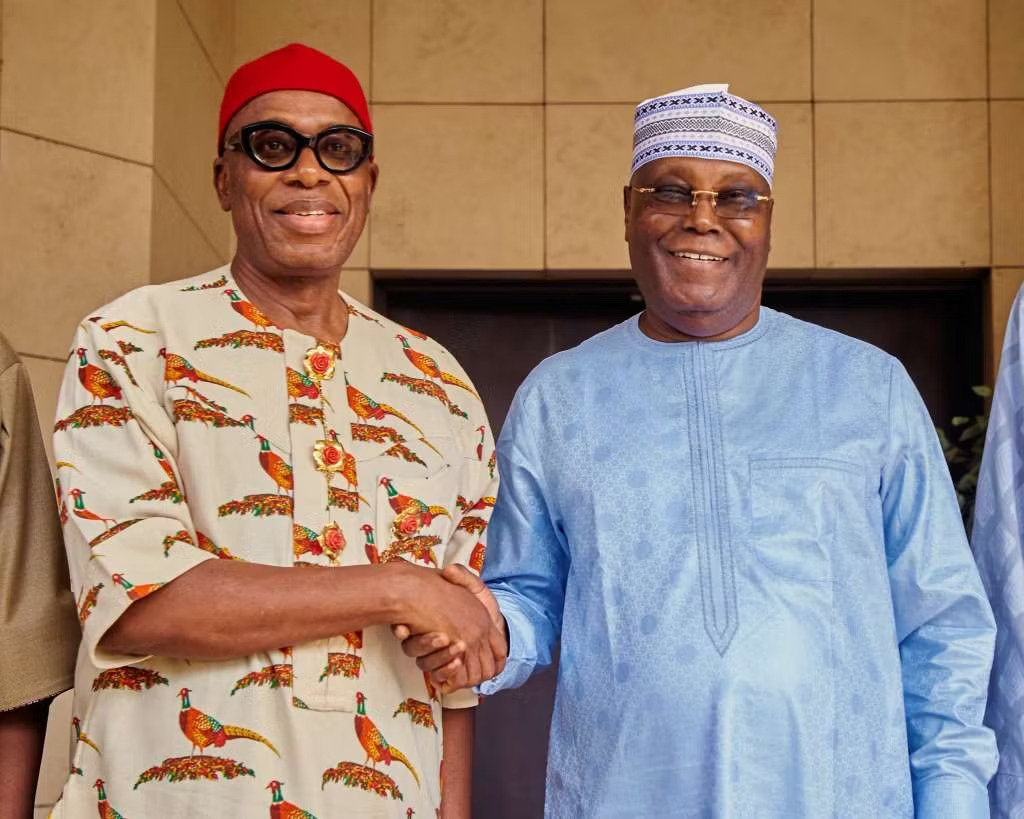
Ongoing Leadership and Structural Disputes
The Peter Obi ADC meeting absence comes at a time when the coalition is already dealing with internal disagreements.
Key Issues Within the Coalition
Major areas of contention include:
- Leadership hierarchy and decision-making authority
- Zoning arrangements for future elections
- Competing presidential ambitions among key figures
These issues have contributed to uncertainty about the coalition’s direction.
Impact of Legal Challenges
In addition to political disagreements, the coalition faces:
- Ongoing court cases affecting party structure
- Questions about organizational legitimacy
- Concerns over readiness for the 2027 elections
Resolving these matters is considered critical for long-term stability.
ADC Coalition and 2027 Election Strategy
The Peter Obi ADC meeting absence highlights broader concerns about how the opposition coalition plans to position itself ahead of the next general elections.
Coalition Composition
The ADC coalition is described as a loose alliance that includes:
- Peter Obi
- Rabiu Kwankwaso
- Atiku Abubakar
- Rotimi Amaechi
This mix of prominent figures brings both influence and complexity.

Challenges Facing the Coalition
Key challenges include:
- Building consensus among diverse political interests
- Presenting a unified front to voters
- Managing internal competition
These factors may shape the coalition’s effectiveness.
Public Perception and Political Implications
The Peter Obi ADC meeting absence has also influenced public discourse around opposition unity in Nigeria.
Online and Public Reactions
Discussions have centered on:
- The significance of high-profile absences
- The state of opposition collaboration
- Expectations for political alignment ahead of elections
Public perception plays a role in shaping political momentum.
Broader Political Impact
The situation may affect:
- Voter confidence in opposition parties
- Coalition negotiations moving forward
- Strategic planning for 2027
These implications make internal cohesion increasingly important.
Importance of Unity in Opposition Politics
The Peter Obi ADC meeting absence underscores the broader importance of unity within opposition movements.
Why Unity Matters
For opposition coalitions:
- Cohesion strengthens electoral competitiveness
- Clear leadership improves decision-making
- Unified messaging enhances public trust
Risks of Disunity
Without alignment, coalitions may face:
- Fragmentation of support bases
- Reduced political influence
- Difficulty in challenging ruling parties
These risks highlight the need for coordinated efforts.
FAQ Section
Why did Peter Obi miss the ADC emergency meeting?
There has been no official explanation, but his absence has sparked speculation and political debate.
Who attended the ADC meeting in Abuja?
Key figures included Atiku Abubakar, Rotimi Amaechi, Rauf Aregbesola, and Aminu Tambuwal.
Was Peter Obi the only notable absence?
No, Rabiu Kwankwaso was also absent, according to reports.
What issues is the ADC coalition facing?
The coalition is dealing with leadership disputes, legal challenges, and disagreements over strategy for the 2027 elections.
Conclusion
The Peter Obi ADC meeting absence has brought renewed attention to the internal dynamics of Nigeria’s opposition coalition. While interpretations of the absence vary, it highlights ongoing challenges related to unity, leadership, and strategic direction. As preparations for the 2027 elections continue, how the coalition manages these issues will likely play a significant role in shaping its political future.
Click here for more news