 0
0
 0
0
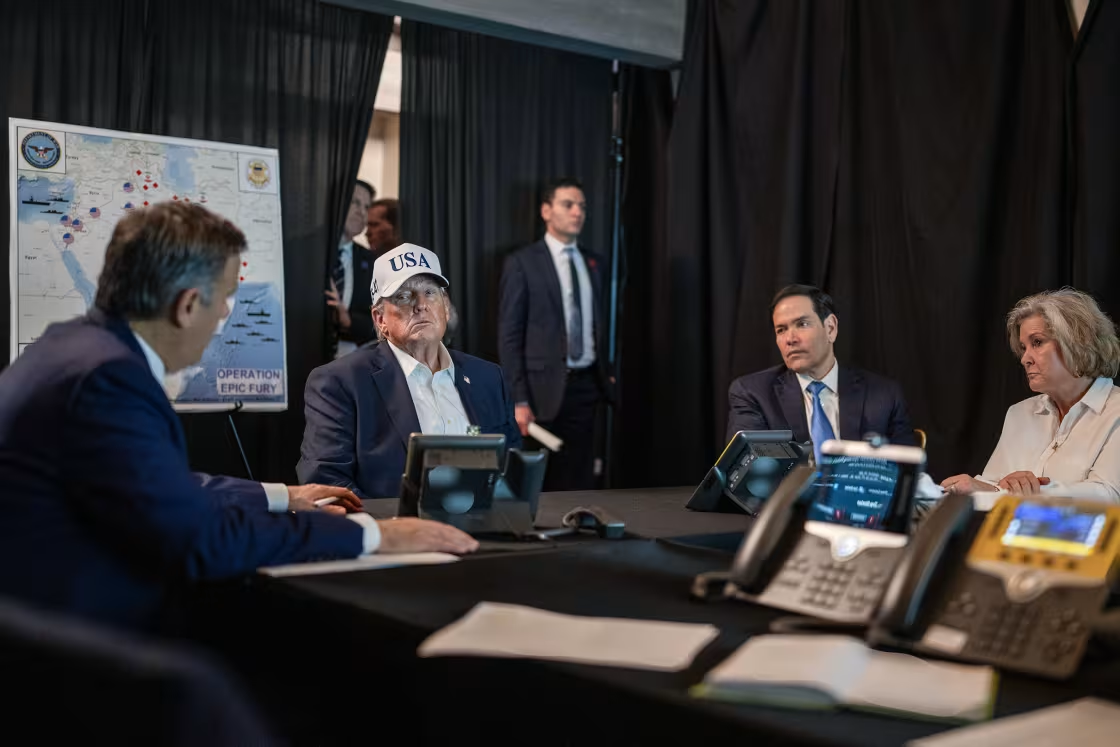
The growing Middle East crisis intensified again after President Donald Trump issued a fresh warning tied to the Trump Iran strike timeline, saying Tehran has only a short window to agree to a peace arrangement or risk renewed military attacks.
The warning comes amid continued diplomatic negotiations between the United States and Iran following months of conflict involving Israel, Iranian-backed groups, and regional tensions around the Strait of Hormuz. While discussions continue through international mediators, both Washington and Tehran are signaling readiness for further escalation if talks collapse.
Trump Gives Iran “Limited Time” to Reach Deal
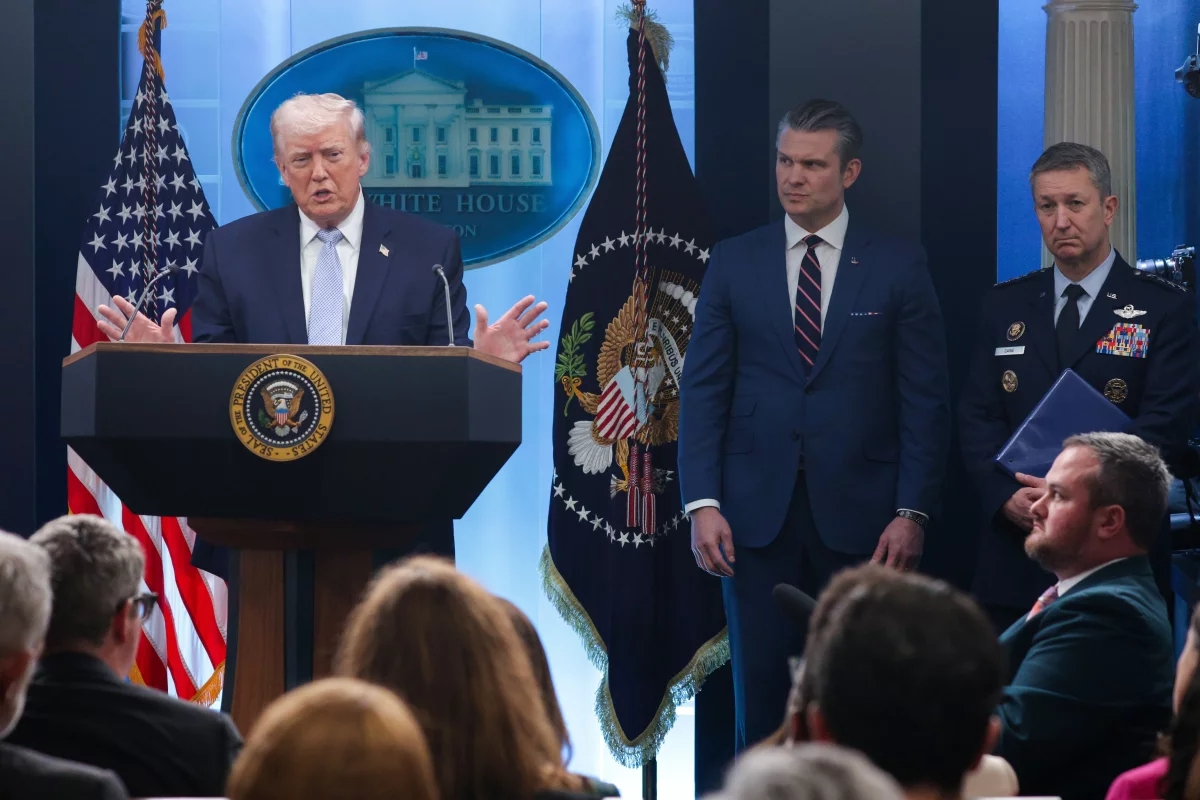
President Trump told reporters that Iran has only a few days left to make progress toward a peace agreement before the United States considers restarting military operations.
Speaking during a public appearance near the White House, Trump stated that negotiations were still possible but warned that patience was running out.
Trump Signals Readiness for More Military Action
According to Trump, the United States could move quickly if negotiations fail to produce results.
He suggested that military action could happen within days if Iran refuses terms aimed at preventing the country from developing nuclear weapons.
The renewed warning immediately placed the Trump Iran strike timeline at the center of international attention, especially as energy markets and global governments monitor the situation closely.
White House Maintains Pressure on Tehran
Vice President J.D. Vance also reinforced the administration’s position during a White House briefing.
Vance said the administration preferred diplomacy but remained fully prepared for military action if required.
He emphasized that the United States wanted Iran to agree to restrictions related to nuclear development, maritime security, and regional stability.
US-Iran Negotiations Continue Through Mediators
Despite the tough rhetoric, diplomatic efforts are still underway through mediators from Pakistan, Qatar, Saudi Arabia, Turkey, and other regional powers.
Reports indicate that negotiators are working on a proposed “letter of intent” that could formally pause hostilities and launch a 30-day negotiation period.
Proposed Agreement Includes Nuclear Discussions
The proposed framework reportedly focuses on:
- Iran’s nuclear program
- Access to enriched uranium stockpiles
- Sanctions relief
- Maritime security in the Strait of Hormuz
- Release of frozen Iranian assets
- Future regional security guarantees
The Trump Iran strike timeline now depends heavily on whether these negotiations produce a breakthrough.
Iran Demands Guarantees Before Major Concessions
Iranian officials have repeatedly stated that Tehran will not fully negotiate nuclear issues until military threats end completely.
Iran is also demanding:
- Sanctions relief
- Compensation for war damages
- Assurances against future attacks
- Recognition of its maritime authority in the Strait of Hormuz
Tehran insists that any long-term deal must include protections for Iranian sovereignty and economic recovery.
Netanyahu and Trump Reportedly Clash Over Iran Strategy
Reports from U.S. media outlets suggest that Israeli Prime Minister Benjamin Netanyahu and President Trump held a tense phone conversation over how to handle Iran moving forward.
Israeli Leadership Wants Stronger Military Pressure
According to reports, Netanyahu remains skeptical about negotiations and reportedly prefers continued military pressure on Iran.
Israeli officials are believed to support additional strikes designed to weaken Iranian military infrastructure and reduce Tehran’s regional influence.
Sources familiar with the discussions claimed Netanyahu reacted strongly during the conversation, highlighting growing differences between Washington and Tel Aviv over diplomatic strategy.
Trump Still Pushing for Diplomatic Option
While Trump continues to threaten military action, he has also repeatedly stated that he would prefer reaching an agreement instead of restarting a major regional conflict.
The administration believes diplomacy could still prevent wider instability across the Middle East.
However, Trump also warned that the situation could change rapidly if Iran refuses to cooperate.

Iran Says Military Forces Are Prepared
Iranian military officials responded by declaring that the country remains fully prepared for any future attacks.
Military spokesperson Mohammad Akraminia said Iranian forces have treated the current ceasefire period as preparation time for possible renewed conflict.
Iran Threatens “New Fronts” if Attacked Again
Iran warned that future military operations could involve new strategies and weapons systems if the United States or Israel launches additional strikes.
Although officials did not provide details, analysts believe Iran could rely heavily on:
- Drone warfare
- Missile systems
- Naval disruption tactics
- Regional proxy networks
The warnings have added further tension to the already fragile Trump Iran strike timeline.
Strait of Hormuz Remains Global Concern
One of the biggest international concerns remains the Strait of Hormuz, a critical global shipping route for oil exports.
Iran has maintained a strong military presence around the waterway since the conflict escalated earlier this year.
At least 20% of the world’s oil supply passes through the strait, making any disruption a major global economic risk.

Oil Prices and Global Markets React to Crisis
The ongoing uncertainty surrounding the Trump Iran strike timeline has already affected energy markets.
Crude oil prices have climbed above $100 per barrel, while gasoline prices in the United States continue rising.
Trump Downplays Economic Impact
President Trump argued that temporary price increases are acceptable if they prevent Iran from obtaining nuclear weapons.
He insisted that energy prices would eventually stabilize once the conflict ends and regional supply chains normalize.
Critics Raise Concerns Over Consumer Costs
Political opponents and economic analysts argue that rising fuel prices are already putting pressure on households and businesses.
Some lawmakers have criticized the administration for underestimating the economic consequences of prolonged tensions in the Middle East.
Why the Iran Crisis Matters Globally
The current standoff extends beyond the United States and Iran alone.
The crisis affects:
- Global oil markets
- International shipping
- NATO allies
- Middle East security
- Global inflation trends
- Nuclear non-proliferation efforts
Any breakdown in negotiations could trigger broader military confrontations involving multiple regional powers.
International Mediators Push for Temporary Peace Deal
Countries involved in mediation efforts continue working to prevent another wave of military conflict.
Diplomatic sources say the proposed agreement may include temporary ceasefires, phased sanctions relief, and structured negotiations over Iran’s nuclear capabilities.
Pakistan and Qatar Playing Key Roles
Pakistan and Qatar have emerged as major intermediaries between Washington and Tehran.
Officials from both countries have reportedly carried proposals between the two sides in recent days.
Negotiations Remain Highly Fragile
Despite ongoing discussions, major disagreements remain unresolved.
Iran continues demanding broader guarantees, while the United States insists on stronger restrictions related to nuclear development and regional military activities.
The coming days are expected to determine whether diplomacy succeeds or whether the Trump Iran strike timeline moves closer to military escalation.
FAQ
What is the Trump Iran strike timeline?
The Trump Iran strike timeline refers to President Donald Trump’s warning that Iran has only a few days to agree to a diplomatic deal before possible renewed military strikes.
Why are the United States and Iran negotiating?
The negotiations focus on Iran’s nuclear program, sanctions relief, military tensions, and security in the Strait of Hormuz after months of conflict.
Why is the Strait of Hormuz important?
The Strait of Hormuz is one of the world’s most important oil shipping routes, with roughly 20% of global oil supplies passing through it.
What does Israel want regarding Iran?
Israeli leaders reportedly favor stronger military pressure on Iran and remain skeptical about diplomatic negotiations led by the United States.
The growing tensions between Washington, Tehran, and regional allies continue to create uncertainty across global markets and international diplomacy. While negotiations remain active, the possibility of renewed military action still hangs over the region as both sides maintain firm positions.
PLEASE CLICK HERE FOR MORE NEWS