 0
0
 0
0
The Mali jihadist fuel blockade has intensified after dozens of vehicles were set on fire along a major highway near the capital city of Bamako.
The incident involved fuel tankers, trucks, and passenger vehicles traveling on one of the country’s key transport routes. Videos circulating online showed burnt vehicles scattered across the road, with smoke rising from several damaged trucks.
The latest attack has increased concerns over Mali’s worsening security situation and the growing pressure on fuel supplies and commercial transportation across the country.
Armed Fighters Target Highway Near Bamako
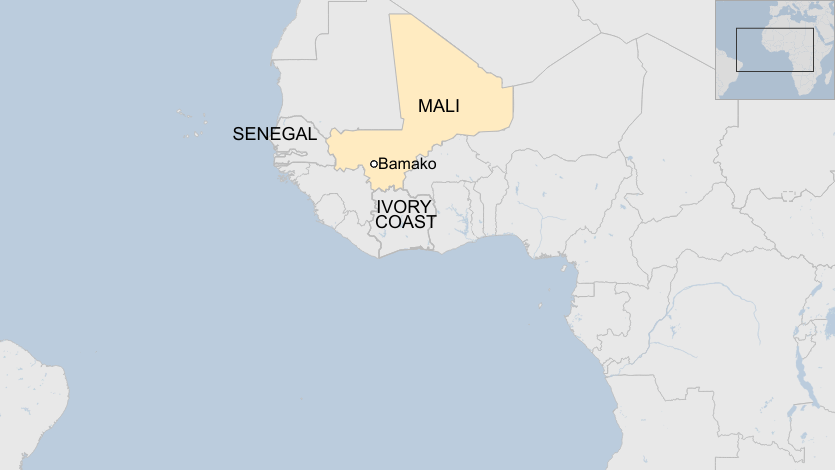
The attack happened roughly 45 kilometers west of Bamako on an important road used for transporting fuel and goods into the capital.
Several vehicles were reportedly stopped before being set ablaze by armed men operating in the area.

Drivers and Passengers Escaped the Scene
People traveling in the affected vehicles were reportedly ordered to leave before the vehicles were destroyed.
No deaths were immediately reported following the incident, though the attack caused major disruption along the highway.
The Mali jihadist fuel blockade continues to create fear among drivers and transport companies operating on major roads across the country.
Burnt Vehicles Included Fuel Tankers
Among the destroyed vehicles were fuel trucks transporting petrol and other supplies into Bamako.
Passenger minibuses and cargo trucks were also affected during the attack.
The destruction of fuel tankers is expected to increase pressure on already limited fuel supplies in parts of the country.

Fuel Supply Routes Under Pressure
Mali relies heavily on fuel deliveries transported by road from neighboring coastal countries.
As a landlocked nation, the country depends on highways linking Bamako to regional trade routes through:
- Senegal
- Ivory Coast
- Guinea
Disruptions on these roads can quickly affect fuel availability, transportation services, and commercial activity.
Fuel Convoys Frequently Targeted
The Mali jihadist fuel blockade began affecting major highways last year as armed groups increasingly targeted fuel convoys.
Since then, numerous trucks carrying fuel and goods have reportedly been attacked or destroyed on key routes.
Some drivers have also reportedly been kidnapped during attacks on transport convoys.
Military Escorts Have Not Fully Stopped Attacks
Authorities have attempted to protect fuel deliveries by using armed military escorts on some routes.
Despite those efforts, attacks on highways and supply convoys have continued in several regions.
Transport operators remain concerned about the risks involved in moving fuel and commercial goods across the country.

Mali’s Security Challenges Continue Growing
Mali has faced years of conflict involving Islamist militant groups, armed separatists, and government forces.
The security crisis has expanded across large areas of the country despite military operations launched by the ruling authorities.
Military Government Still Facing Pressure
Mali has been led by military authorities since the 2020 coup that brought Colonel Assimi Goïta to power.
The junta promised to restore order and improve security conditions after taking control of the government.
However, armed attacks continue affecting several parts of the country, including areas close to the capital.
Highway Attacks Affect Daily Life
The Mali jihadist fuel blockade has added new economic pressure on businesses and civilians.
Fuel shortages and transportation delays have affected:
- Commercial transport
- Food deliveries
- Public transportation
- Electricity generation
- Market prices
Businesses dependent on fuel deliveries continue facing uncertainty due to repeated attacks on transport routes.
Islamist Groups Expanding Operations
Armed Islamist groups remain active across northern, central, and increasingly southern parts of Mali.
The attacks near Bamako show that militants still maintain the ability to strike important transport corridors.
Strategic Infrastructure Becoming a Target
Rather than focusing only on military bases, armed groups are increasingly targeting:
- Fuel supply routes
- Transport vehicles
- Economic infrastructure
- Commercial convoys
These attacks create economic disruption while also challenging government authority.

Northern Mali Remains Unstable
The conflict originally grew from separatist unrest in northern Mali before Islamist groups expanded their influence.
Large areas of northern and eastern Mali remain difficult for government forces to fully control.
Several regions continue experiencing regular attacks and security incidents.
Regional Instability Raises Concerns
The security crisis in Mali continues affecting neighboring countries across the Sahel region.
Governments across West Africa remain concerned about the spread of armed violence and instability.
Trade and Transportation Impacted
Road attacks and fuel disruptions can affect regional trade networks connecting Mali with nearby countries.
Transport companies and traders face growing operational costs due to insecurity on major highways.
Economic Pressure Continues Building
The ongoing Mali jihadist fuel blockade has increased concerns about inflation and supply shortages in some areas.
Rising transportation costs could also affect food prices and essential goods if attacks continue.

Military Operations Continue Across Mali
Government forces continue carrying out military operations against armed groups across several regions.
Security measures have been increased on some highways following recent attacks.
Authorities Trying to Secure Transport Routes
Efforts remain focused on protecting strategic roads used for fuel deliveries and commercial transportation.
However, the large geographic size of Mali makes it difficult to secure every transport corridor.
Public Concerns Over Security Growing
Many residents continue expressing concern about the frequency of attacks and the impact on daily life.
The repeated targeting of highways near Bamako has increased fears about security around the capital region.
Why the Mali Fuel Crisis Matters
The Mali jihadist fuel blockade has become one of the country’s biggest security and economic challenges.
Fuel remains critical for transportation, electricity generation, businesses, and trade across Mali.
Any prolonged disruption could worsen economic conditions and place additional strain on civilians already facing difficult living conditions.
FAQ
What is the Mali jihadist fuel blockade?
The Mali jihadist fuel blockade refers to repeated attacks on fuel convoys, trucks, and highways supplying Bamako and other parts of Mali.
Where did the latest attack happen?
The latest attack occurred about 45 kilometers west of Bamako along a major highway used for transporting fuel and commercial goods.
Were there casualties in the attack?
No deaths were immediately reported, though several vehicles including fuel tankers and trucks were destroyed.
Why is fuel transportation important in Mali?
Mali is a landlocked country that depends heavily on imported fuel transported by road from neighboring coastal nations.
The latest highway attack highlights the growing impact of the Mali jihadist fuel blockade on transportation, fuel supplies, and national security. As attacks continue affecting major roads and commercial convoys, concerns remain over the country’s ability to stabilize key transport routes and protect critical supply chains.
PLEASE CLICK HERE FOR MORE NEWS