 0
0
 0
0
The EU sanctions on Russian oil have intensified following the adoption of a new package aimed at increasing economic pressure on Russia’s energy sector. Announced in Brussels, the latest measures expand restrictions across maritime services, financial operations, and trade, marking a significant escalation in the European Union’s response to the ongoing conflict involving Ukraine.
The updated sanctions package reflects a broader strategy to reduce Russia’s oil revenues, disrupt supply chains, and limit access to international markets.
Overview of the EU’s 20th Sanctions Package
The newly adopted sanctions package introduces a range of measures targeting Russia’s energy-dependent economy. It is the 20th set of restrictions imposed by the European Union since the start of the conflict.
H3: Key elements of the sanctions
The EU sanctions on Russian oil include several major provisions:
- A full ban on maritime services related to crude oil transport
- Expanded restrictions on financial and trade activities
- Additional penalties targeting shipping networks
These measures are designed to make it more difficult for Russia to export oil and maintain its global energy presence.
H3: Coordination with international partners
European authorities have indicated that the new rules will be implemented in coordination with G7 countries. This alignment aims to:
- Ensure consistent enforcement across major economies
- Prevent loopholes in global oil trade
- Strengthen the overall impact of sanctions
Such coordination is considered essential for maintaining pressure on Russia’s export capabilities.
Maritime Services Ban on Russian Oil
One of the most significant components of the EU sanctions on Russian oil is the ban on maritime services related to crude oil shipments.
H3: What the maritime ban includes
Under the new rules, European companies are prohibited from providing:
- Insurance services for oil shipments
- Financing for transport operations
- Brokering and shipping services
This restriction limits Russia’s ability to rely on European infrastructure and expertise for exporting oil.
H3: Expected impact on oil exports
The maritime ban is expected to:
- Reduce the number of buyers willing to purchase Russian oil
- Increase transportation costs
- Disrupt established supply routes
By targeting logistical support, the EU aims to weaken the foundation of Russia’s oil export system.
Expansion of the Shadow Fleet List
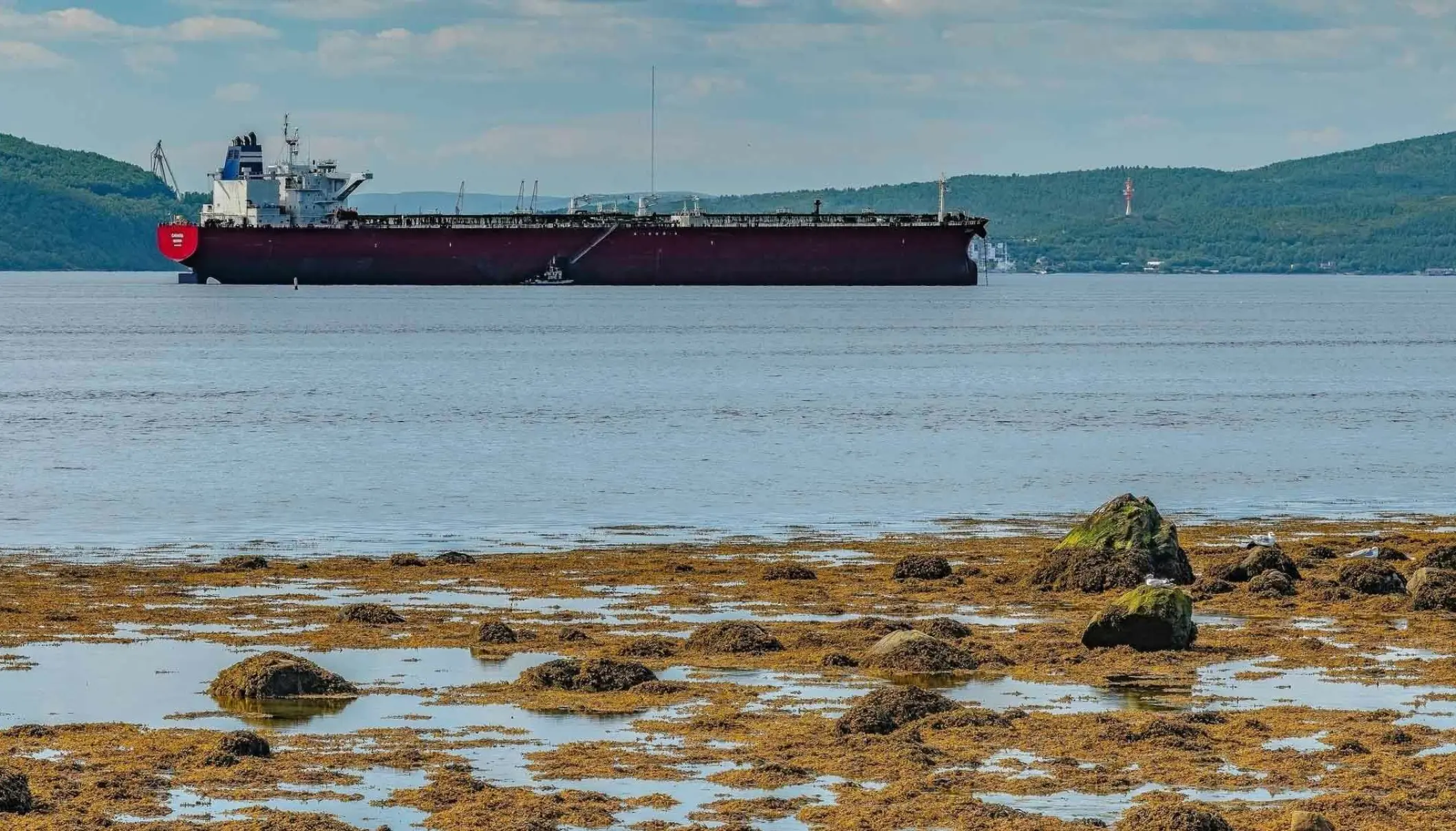
The EU has also expanded its list of sanctioned vessels, commonly referred to as the “shadow fleet,” which is used to transport Russian oil outside standard regulatory frameworks.
H3: Increase in sanctioned vessels
The EU sanctions on Russian oil now include:
- An additional 43 vessels added to the sanctions list
- A total of approximately 640 vessels identified as part of the shadow fleet
These ships are often used to bypass sanctions through opaque ownership and registration practices.
H3: Measures targeting fleet operations
Authorities are introducing further restrictions to:
- Limit Russia’s ability to acquire new tankers
- Restrict maintenance and servicing of existing vessels
- Monitor and track suspicious shipping activity
These steps are intended to reduce the effectiveness of alternative shipping networks.
Additional Restrictions on Gas and LNG Infrastructure
Beyond oil, the sanctions package includes measures targeting Russia’s gas sector, particularly liquefied natural gas (LNG) operations.
H3: Service bans on LNG vessels
The EU has introduced:
- Restrictions on maintenance services for LNG tankers
- Limitations on support for icebreakers used in Arctic operations
These measures are expected to hinder Russia’s ability to expand gas export projects.
H3: Long-term LNG import ban
The EU sanctions on Russian oil are part of a broader energy policy that includes:
- A full ban on LNG imports scheduled to take effect in 2027
- Gradual reduction of dependence on Russian energy
This long-term strategy reflects the EU’s commitment to reshaping its energy supply.
Economic Impact on Russia’s Energy Revenues
The combined effect of sanctions and external factors has significantly affected Russia’s oil and gas income.
H3: Decline in revenue
According to European Commission data:
- Oil and gas revenues dropped by 24 percent in 2025
- Revenue levels reached their lowest point since 2020
This decline highlights the financial strain caused by ongoing sanctions.
H3: Broader economic consequences
The EU sanctions on Russian oil have contributed to:
- A widening fiscal deficit
- Reduced government spending capacity
- Increased economic pressure on key industries
These outcomes demonstrate the broader implications of targeting energy exports.
Combined Pressure from Sanctions and Military Developments
In addition to economic measures, other factors have contributed to pressure on Russia’s energy infrastructure.
H3: Impact of infrastructure disruptions
Recent developments include:
- Attacks on oil and gas facilities
- Disruptions to production and transport systems
- Increased costs for repairs and maintenance
These challenges have compounded the effects of sanctions.
H3: Strategic implications
The combination of sanctions and operational disruptions:
- Limits Russia’s ability to stabilize its energy sector
- Increases uncertainty in global oil markets
- Reinforces the EU’s strategy of sustained economic pressure
The EU sanctions on Russian oil are therefore part of a broader, multi-layered approach.
EU Support Measures for Ukraine
Alongside sanctions, the European Union continues to provide financial support to Ukraine.
H3: €90 billion loan package
The EU has approved:
- A €90 billion loan aimed at supporting Ukraine’s economy
- Funding for reconstruction and stability efforts
This financial assistance complements the sanctions strategy.
H3: Long-term objectives
The EU’s approach reflects:
- Support for Ukraine’s sovereignty and security
- Commitment to economic stability in the region
- A coordinated response to ongoing geopolitical challenges
The EU sanctions on Russian oil are closely linked to these broader objectives.
Future Outlook for Sanctions Policy
The latest measures suggest that the EU is prepared to continue tightening restrictions if necessary.
H3: Potential next steps
Future actions could include:
- Additional sanctions on financial institutions
- Expanded monitoring of global oil trade
- Stronger enforcement mechanisms
H3: Continued international coordination
Ongoing cooperation with global partners will likely remain a key component of sanctions policy.
The EU sanctions on Russian oil are expected to evolve as geopolitical conditions change.
FAQ
What are the new EU sanctions on Russian oil?
They include a maritime services ban, expanded restrictions on shipping vessels, and additional limits on financial and trade activities.
How does the maritime services ban affect Russia?
It prevents European companies from supporting oil transport, making it harder and more expensive for Russia to export oil.
What is the shadow fleet mentioned in the sanctions?
It refers to vessels used to transport oil outside regulated systems, often to bypass sanctions.
When will the EU’s LNG import ban take effect?
The full ban on LNG imports from Russia is scheduled to begin in January 2027.
Conclusion
The EU sanctions on Russian oil represent a continued effort to limit Russia’s economic capacity by targeting its most critical revenue source. By expanding restrictions on maritime services, shipping networks, and energy infrastructure, the European Union aims to increase pressure while supporting broader geopolitical objectives. As enforcement evolves and coordination with global partners continues, these measures are likely to remain a central component of the EU’s strategy in the coming years.
Click here for more news