 0
0
 0
0
The North Korea automatic nuclear strike law has sparked global concern after reports revealed that Pyongyang updated its constitution to require an immediate nuclear response if leader Kim Jong Un is killed.
According to reports, the revised constitutional provisions establish an automatic retaliatory mechanism tied directly to the survival of North Korea’s leadership. The move further highlights the country’s continued focus on strengthening its nuclear deterrence strategy amid rising geopolitical tensions.
The North Korea automatic nuclear strike law was reportedly approved during a recent session of the Supreme People’s Assembly in Pyongyang
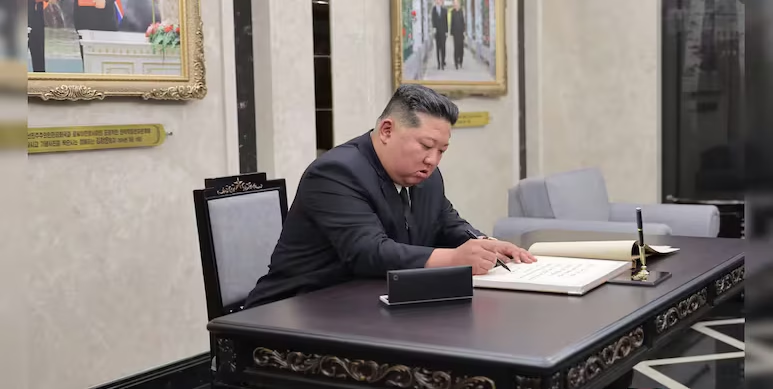
North Korea Revises Constitution
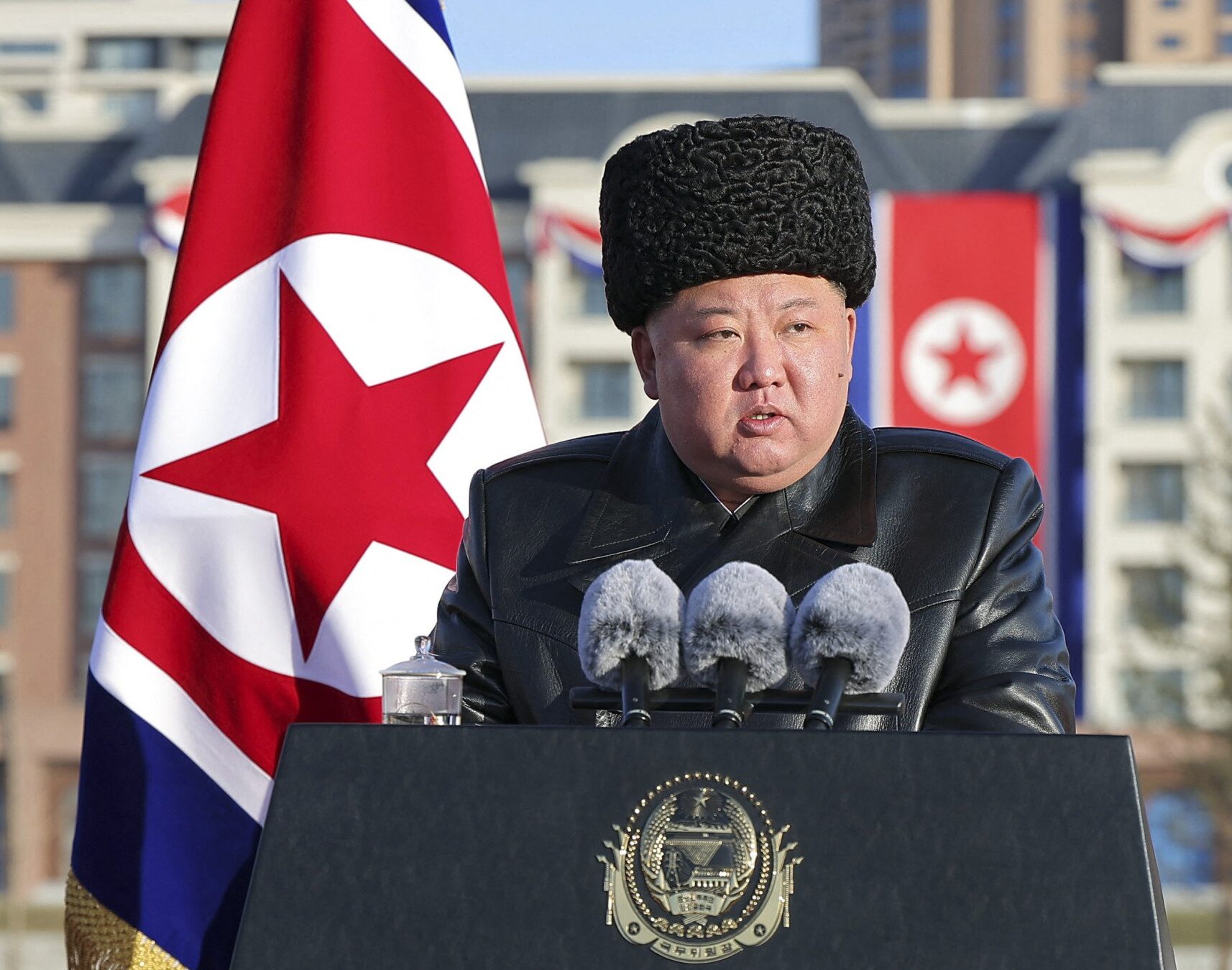
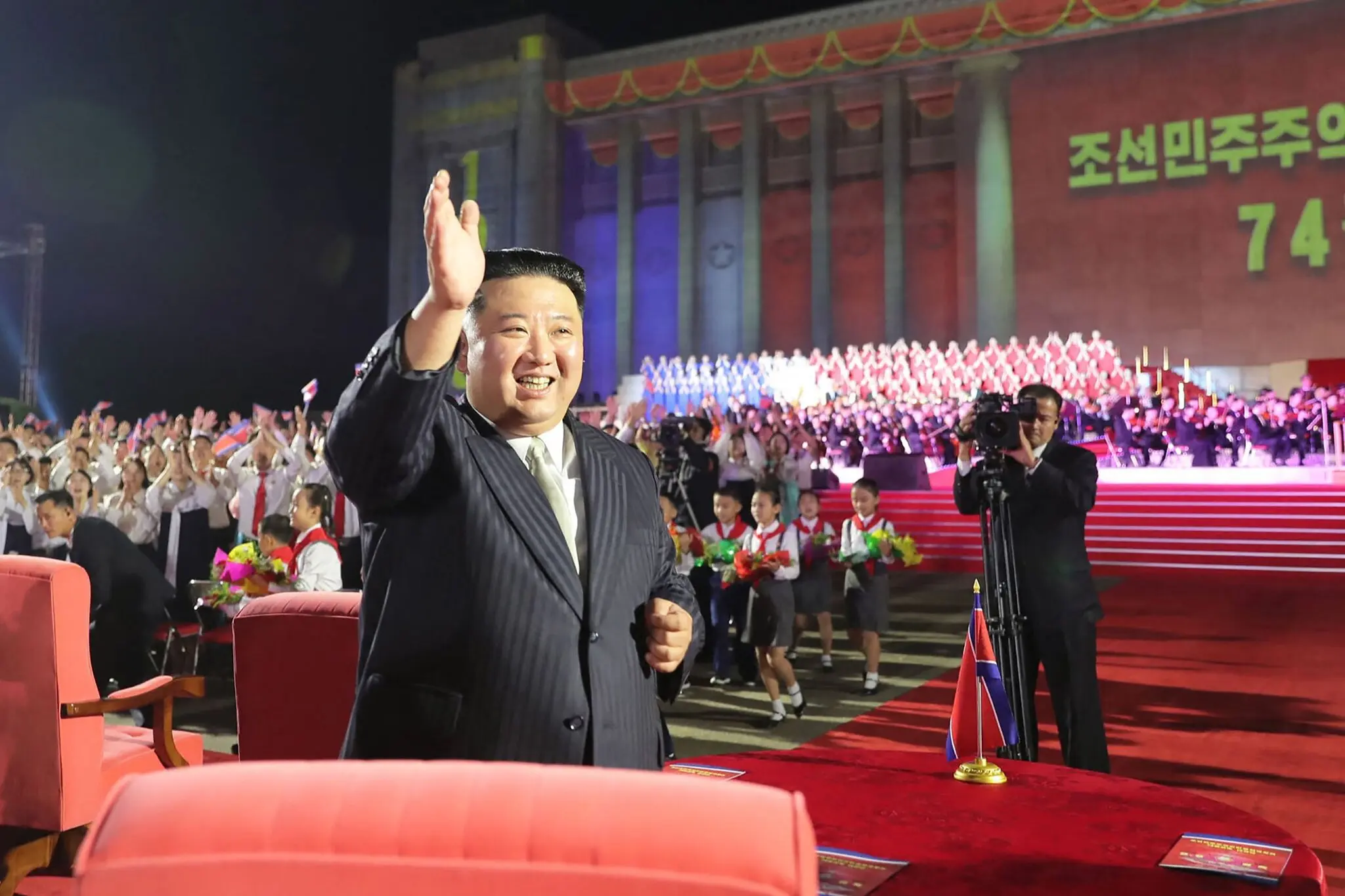
North Korea’s updated constitution reportedly includes new language formally defining Kim Jong Un as the President of the State Affairs Commission and the official head of state.
The revised provisions also reinforce his authority as the sole commander of the country’s nuclear forces.
Kim Jong Un Named Nuclear Commander
Under the constitutional changes, Kim Jong Un’s position as the direct controller of North Korea’s nuclear arsenal was further strengthened.
The law reportedly states that if the nation’s nuclear command system is threatened or disrupted during an enemy attack, a nuclear strike must be carried out automatically and immediately.
The North Korea automatic nuclear strike law therefore creates a formalized retaliation mechanism linked to leadership survival.
Constitutional Changes Approved in Pyongyang
The constitutional amendments were reportedly adopted during the first session of the 15th Supreme People’s Assembly held on March 22 in Pyongyang.
The assembly serves as North Korea’s highest legislative body and regularly approves major state policies and constitutional changes.
The reported update has drawn international attention because of its implications for nuclear command procedures and regional security.
Concerns Over Automatic Nuclear Retaliation
Security analysts and international observers are closely examining the implications of the North Korea automatic nuclear strike law.
The idea of an automatic nuclear response system raises concerns about escalation risks during military conflicts or leadership crises.
Fear of “Decapitation” Attacks
According to analysts cited in reports, North Korea may have introduced the law partly in response to fears of foreign attempts to eliminate its leadership structure.
Russian expert Andrei Lankov reportedly suggested that Pyongyang viewed recent international military developments as a warning about potential “decapitation strikes” targeting political leaders.
North Korea has historically emphasized the survival of its ruling leadership as central to national security.
Regional Security Tensions Increase
The North Korea automatic nuclear strike law is expected to intensify concerns among neighboring countries and Western governments already monitoring Pyongyang’s growing nuclear capabilities.
North Korea has continued expanding its missile and nuclear weapons programs despite years of international sanctions and diplomatic pressure.
Military tensions on the Korean Peninsula have remained elevated in recent years.
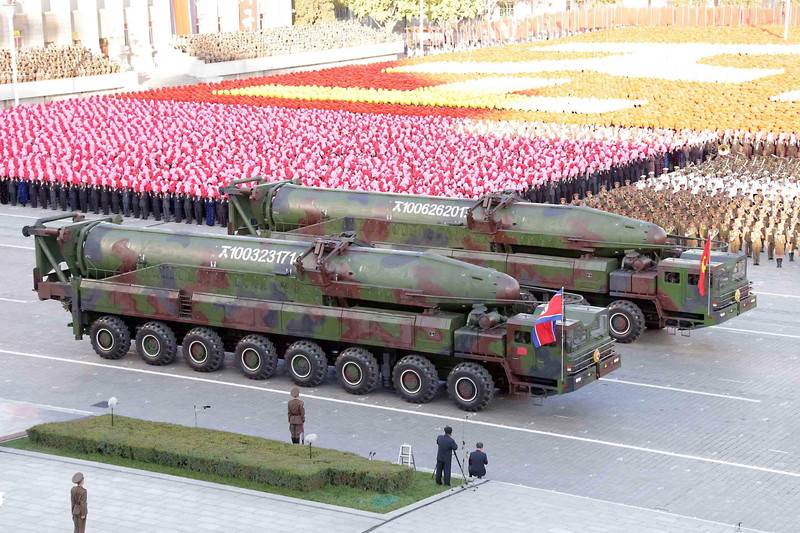
North Korea’s Expanding Nuclear Arsenal
South Korean officials have repeatedly warned that North Korea continues increasing its nuclear production capabilities.
Recent estimates suggest the country possesses around 60 nuclear warheads along with substantial quantities of highly enriched uranium.
Nuclear Material Production Continues
South Korean President Lee Jae-myung recently stated that North Korea may be capable of producing fissile material for up to 20 nuclear warheads each year.
These estimates underline concerns that the country’s nuclear stockpile could continue growing rapidly if development efforts remain uninterrupted.
The North Korea automatic nuclear strike law comes amid this broader expansion of military capabilities.
Sanctions Have Failed to Stop Program
Despite international sanctions imposed over several years, North Korea has continued testing missiles and developing advanced military technology.
The country has repeatedly defended its nuclear program as necessary for national defense and deterrence against perceived external threats.
Diplomatic negotiations aimed at reducing North Korea’s nuclear activities have largely stalled in recent years.
Possible Influence From Middle East Conflict
Some analysts believe recent geopolitical developments in the Middle East may have influenced North Korea’s constitutional decision.
Reports suggest Pyongyang closely monitored military operations involving leadership-targeting strategies abroad.
Foreign Military Strikes Raise Alarm
According to reports, joint military actions involving attacks on high-ranking foreign leaders may have reinforced North Korea’s concerns about leadership vulnerability.
The North Korea automatic nuclear strike law appears designed to discourage any attempt to remove the country’s leadership through military force.
Pyongyang has frequently portrayed external military alliances as threats to national survival.
Deterrence Strategy Strengthened
By introducing automatic retaliation measures, North Korea may be attempting to strengthen deterrence against foreign intervention.
The constitutional changes signal that the country intends to maintain a rapid-response nuclear posture even under extreme circumstances.
Analysts warn that such policies could increase the risk of escalation during periods of military tension.
International Reactions Expected
The reported constitutional update is likely to draw reactions from the United States, South Korea, Japan, and other international partners monitoring North Korea’s military activities.
Global concerns surrounding nuclear command systems and automated retaliation policies remain significant issues in international security discussions.
Pressure for Diplomatic Engagement
Some experts argue that renewed diplomatic engagement may be necessary to reduce tensions and prevent misunderstandings involving nuclear strategy.
However, relations between North Korea and Western countries remain highly strained.
Military exercises involving the United States and South Korea have also continued to increase tensions in the region.
Nuclear Stability Questions Remain
The North Korea automatic nuclear strike law has intensified debates about nuclear stability, command control systems, and crisis management during armed conflicts.
Observers say the policy raises important questions about how quickly nuclear escalation could occur during a sudden military confrontation.
FAQ
What is the North Korea automatic nuclear strike law?
The law reportedly requires North Korea to launch an automatic nuclear strike if Kim Jong Un is killed or the nuclear command system is attacked.
Why did North Korea change its constitution?
The constitutional update appears aimed at strengthening leadership protection and reinforcing nuclear deterrence policies.
How many nuclear weapons does North Korea reportedly have?
South Korean estimates suggest North Korea possesses approximately 60 nuclear warheads.
What concerns does the new law raise?
The law raises fears about automatic nuclear retaliation, escalation risks, and regional security instability.
Conclusion
The North Korea automatic nuclear strike law marks another major development in Pyongyang’s evolving nuclear strategy. By formally linking leadership survival to automatic nuclear retaliation, North Korea has signaled its determination to strengthen deterrence against perceived external threats. The move is expected to deepen international concerns over regional security, nuclear escalation risks, and the future of diplomatic efforts involving the Korean Peninsula.
PLEASE CLICK HERE FOR MORE NEWS