 0
0
 0
0
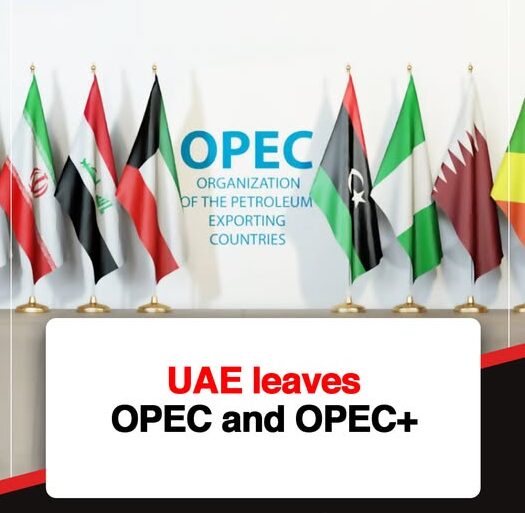
UAE leaves OPEC and OPEC plus impact is being closely watched as the United Arab Emirates announces its decision to exit both oil alliances, raising concerns about stability in global energy markets.
UAE Announces Exit From OPEC and OPEC+
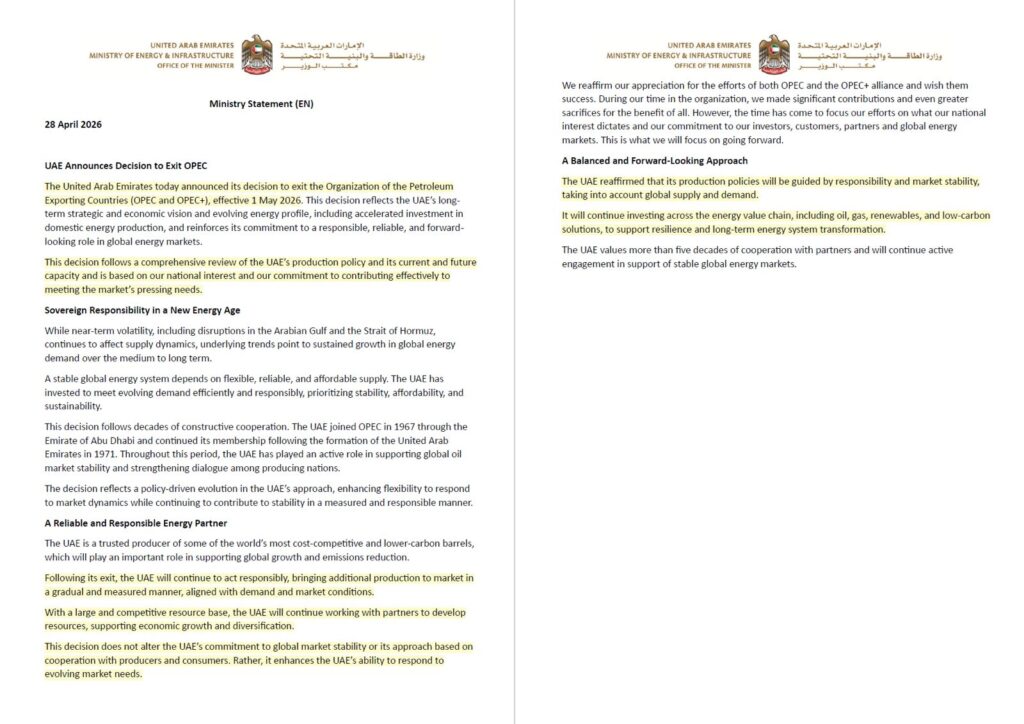
The United Arab Emirates confirmed it is leaving both OPEC and OPEC+, marking a major turning point for the global oil producers’ group.
Energy Minister Suhail Mohamed al-Mazrouei said the decision followed a careful review of the country’s long-term energy strategy and production goals.
This UAE leaves OPEC and OPEC plus impact development represents one of the most significant changes within the oil alliance in recent years.

Reasons Behind the Decision
Officials indicated that the move was based on:
- Strategic reassessment of production policies
- Long-term national energy planning
- Desire for greater independence in output decisions
Mazrouei described the decision as a policy shift rather than a reaction to immediate geopolitical pressure.
Impact on Global Oil Markets
The UAE leaves OPEC and OPEC plus impact could have far-reaching consequences for global oil supply and pricing structures.
Potential Market Disruption
The departure of a key producer may lead to:
- Reduced coordination among oil-producing nations
- Increased volatility in global oil prices
- Shifts in supply management strategies
Although the minister suggested limited immediate market impact, analysts continue to monitor potential long-term effects.
Weakening of OPEC Unity
OPEC has traditionally maintained a unified stance despite internal disagreements. However, the exit of the UAE could:
- Undermine group cohesion
- Create uncertainty in production agreements
- Encourage other members to reconsider participation
Strait of Hormuz Tensions and Export Challenges
The UAE leaves OPEC and OPEC plus impact also comes amid rising tensions affecting oil transport routes.
Strategic Importance of the Strait
The Strait of Hormuz remains a critical global energy chokepoint, with:
- Around 20% of global oil supply passing through
- Frequent security threats affecting shipping
- Increased geopolitical risks
Effect on Oil Exports
Recent developments have created challenges such as:
- Disruptions to shipping routes
- Security concerns due to regional conflicts
- Increased costs for oil transport
Mazrouei noted that these factors may limit the immediate effect of the UAE’s departure on global markets.
Geopolitical Implications of the Move
The UAE leaves OPEC and OPEC plus impact extends beyond economics, influencing global political dynamics.
Relationship With the United States
The move is seen as aligning with longstanding criticism from US leadership regarding OPEC’s pricing strategies.
Key points include:
- Calls for lower oil prices
- Criticism of production controls
- Links between security support and energy policies
Regional Tensions
The decision also reflects broader regional concerns, including:
- Frustration over responses to security threats
- Criticism of regional cooperation efforts
- Shifts in diplomatic priorities
Internal Gulf Dynamics
The UAE’s departure highlights tensions within regional alliances.
Criticism of Regional Response
Officials expressed dissatisfaction with the level of support received during recent conflicts, noting:
- Limited political and military backing
- Weak coordination among Gulf states
- Growing differences in strategic priorities
Impact on Gulf Cooperation
This development may affect:
- Future coordination among Gulf countries
- Regional security frameworks
- Economic collaboration strategies
What This Means for OPEC’s Future
The UAE leaves OPEC and OPEC plus impact raises questions about the long-term future of the organization.
Possible Outcomes
- Reduced influence of OPEC in global markets
- Greater independence for member states
- Increased competition among oil producers
Long-Term Outlook
While immediate disruption may be limited, the decision could lead to gradual structural changes in how global oil production is managed.
FAQ
Why did the UAE leave OPEC and OPEC+?
The UAE cited a strategic review of its energy policies and production goals as the main reason for its departure.
Will this affect global oil prices?
There may be increased volatility, although immediate impacts could be limited due to existing market conditions.
What is the significance of the Strait of Hormuz?
It is a key route for global oil shipments, with a large portion of the world’s energy supply passing through it.
Could other countries follow the UAE?
The move may encourage other nations to reconsider their participation, depending on future developments.
Conclusion
The UAE leaves OPEC and OPEC plus impact marks a significant shift in the global energy landscape. While the immediate effects may be contained, the long-term implications could reshape oil market dynamics, regional alliances, and international energy strategies.
PLEASE CLICK HERE FOR MORE NEWS