 0
0
 0
0
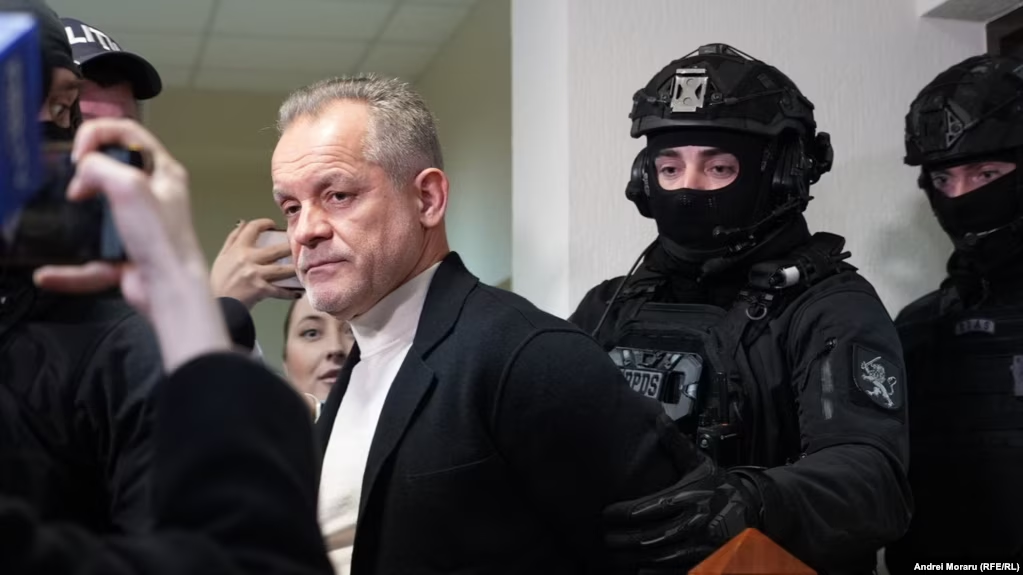
The Moldova oligarch prison sentence case has reached a major conclusion as a court in Chisinau sentenced former political tycoon Vladimir Plahotniuc to 19 years in prison over his involvement in one of the country’s largest financial scandals. The ruling marks a significant moment in Moldova’s long-running investigation into the disappearance of nearly $1 billion from its banking system.
The case, widely referred to as “the theft of the century,” has shaped political and economic discussions in Moldova for over a decade.

Court Verdict Against Vladimir Plahotniuc
A Moldovan court in Chisinau delivered the ruling on April 22, finding Vladimir Plahotniuc guilty on multiple serious charges related to financial crimes.
H3: Charges and sentencing details
As part of the Moldova oligarch prison sentence, Plahotniuc was convicted of:
- Bank fraud
- Organizing a criminal group
- Money laundering
The court concluded that he played a central role in the complex financial scheme that led to massive losses in the banking sector.
H3: Absence from court proceedings
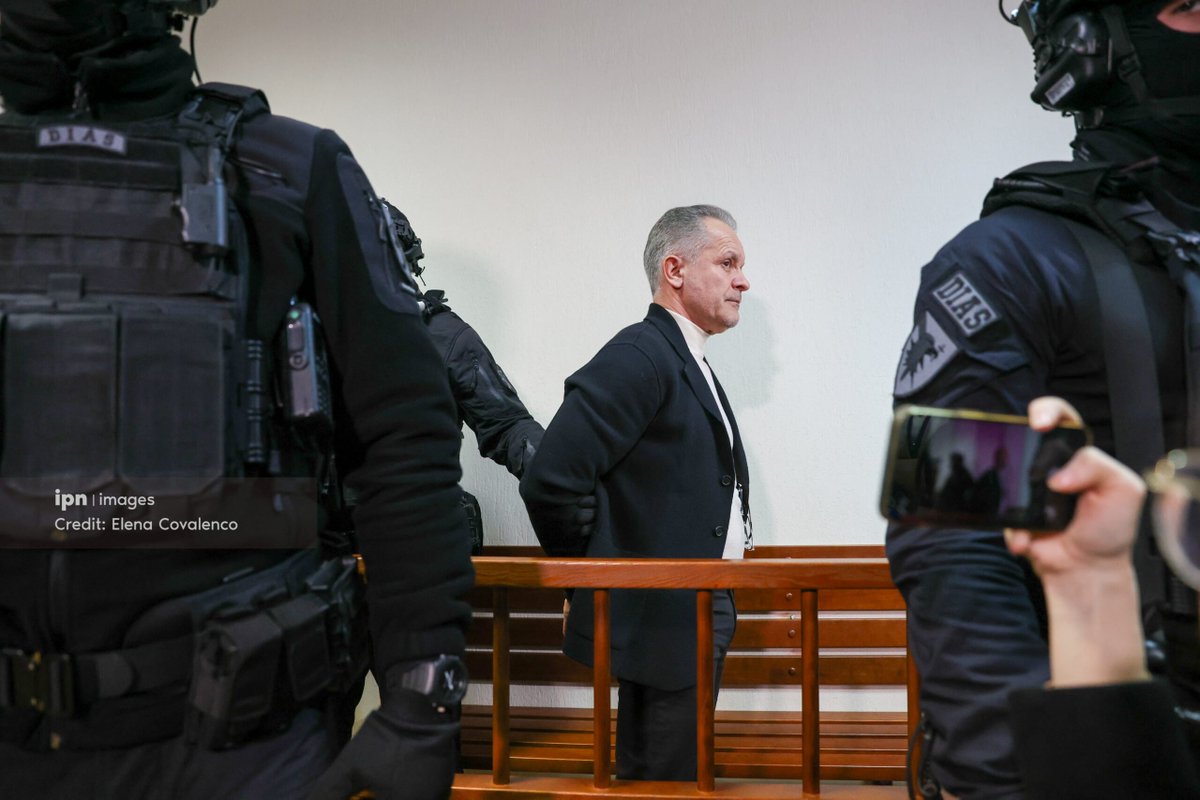
Plahotniuc was not physically present when the sentence was announced. He is currently held in pretrial detention in Chisinau following his extradition.
Key points include:
- Sentence length: 19 years in prison
- Prosecutors initially requested up to 25 years
- Case linked to major banking fraud investigation
The “Theft of the Century” Banking Scandal
The Moldova oligarch prison sentence stems from a massive banking scandal that erupted in 2014 when approximately $1 billion vanished from Moldovan banks.
H3: Scale of the financial loss
The missing funds represented:
- Around 12% of Moldova’s national economic output at the time
- One of the largest financial scandals in Eastern Europe
- A major blow to public trust in the banking system
H3: Banks involved in the case
The investigation focused on several financial institutions, including:
- Banca Sociala
- Unibank
- Other associated financial entities
Authorities later determined that these banks were central to the fraudulent scheme.
Role of Other Figures in the Investigation
The case also involved other influential individuals accused of participating in or benefiting from the financial scheme.
H3: Connection to Ilan Shor
Investigators found that Plahotniuc received more than $43 million linked to companies controlled by Ilan Shor, another controversial oligarch.
Key details:
- Shor previously fled to Russia
- He was sentenced in absentia to 15 years in prison
- His companies were linked to financial transfers in the case
H3: Allegations of coordinated activity
Authorities argued that:
- Multiple actors were involved in coordinated financial manipulation
- Complex corporate structures were used to move funds
- The operation was designed to conceal large-scale losses
The Moldova oligarch prison sentence highlights the scale of alleged collaboration between business and political figures.
Defense Response and Political Claims
Plahotniuc has consistently denied wrongdoing throughout the investigation and trial.
H3: Claims of political motivation
His legal defense argued that:
- The case was politically driven
- Evidence was insufficient or improperly handled
- The trial process violated legal rights
These claims were rejected by the court.
H3: Legal appeal announced
His lawyer stated that the ruling will be appealed, describing the proceedings as:

- Rushed
- Procedurally flawed
- Lacking fair legal standards
Despite these claims, the court maintained its decision.
Prosecutors’ Position and Evidence Presented
Prosecutors built a long-running case aimed at securing a maximum sentence for Plahotniuc.
H3: Key findings from investigation
Authorities concluded that:
- Plahotniuc benefited financially from the scheme
- He played a role in coordinating illicit financial activity
- Large sums of money were moved through controlled entities
The Moldova oligarch prison sentence is based on years of investigative work into financial flows and corporate structures.
H3: Extradition and legal progress
Plahotniuc was extradited to Moldova in 2025 from Greece, an event that:
- Reignited public attention on the case
- Occurred shortly before national elections
- Raised concerns about foreign interference narratives in politics
Political Background of Vladimir Plahotniuc
Before his legal troubles, Plahotniuc was one of Moldova’s most influential political figures.
H3: Political career overview
He previously:
- Led Moldova’s Democratic Party
- Held significant influence over political institutions
- Was considered a key power broker in national politics
H3: Departure from Moldova
Plahotniuc left Moldova in 2019, shortly before facing criminal proceedings, and remained abroad until his extradition years later.
Impact of the Verdict on Moldova
The sentencing is expected to have broader implications for Moldova’s political and financial landscape.
H3: Institutional trust and reforms
The ruling may:
- Reinforce efforts to combat corruption
- Influence ongoing judicial reforms
- Affect public trust in financial institutions
H3: Political implications
The Moldova oligarch prison sentence also carries political consequences:
- Renewed debate over past governance
- Increased scrutiny of elite networks
- Ongoing discussion about foreign influence in domestic politics
FAQ
Why was Vladimir Plahotniuc sentenced to prison?
He was convicted of bank fraud, money laundering, and organizing a criminal group in a major financial scandal.
What is the “theft of the century” in Moldova?
It refers to the disappearance of around $1 billion from Moldovan banks in 2014.
Was Vladimir Plahotniuc present during the trial?
No, he was not present in court and is currently held in pretrial detention in Chisinau.
Can the sentence still be appealed?
Yes, his legal team has announced plans to appeal the court’s decision.
Conclusion
The Moldova oligarch prison sentence marks a major development in one of Eastern Europe’s most significant financial crime cases. While the court has delivered a 19-year sentence against Vladimir Plahotniuc, legal appeals and political debates are expected to continue. The case remains a defining moment in Moldova’s ongoing efforts to address corruption and restore confidence in its financial and political systems.
Click here for more news