 0
0
 0
0
The Lebanon Israel ceasefire extension request has taken center stage as Lebanese officials prepare to seek an additional month of truce during upcoming talks with Israel in Washington. The move comes as the current ceasefire, established just days ago, approaches its expiration amid continued tensions and military activity in southern Lebanon.
Lebanon’s leadership has indicated that extending the ceasefire is critical to reducing violence, stabilizing affected regions, and allowing diplomatic efforts to continue.
Lebanon’s Plan to Extend the Ceasefire
Lebanese officials have confirmed that the government will formally request a one-month extension of the current truce during discussions with Israeli representatives.
H3: Key objectives of the request
The Lebanon Israel ceasefire extension request focuses on several core demands:
- Extending the truce period by one month
- Ending ongoing airstrikes and destruction in affected areas
- Securing a stronger commitment to ceasefire terms
Officials emphasize that these steps are necessary to prevent further escalation and civilian harm.
H3: Diplomatic efforts underway
Lebanon’s leadership has stated that:
- Active diplomatic contacts are ongoing to support the extension
- International mediators are involved in facilitating dialogue
- The Washington meeting is expected to play a critical role
These efforts highlight the urgency of maintaining the fragile ceasefire.
Israel’s Position Ahead of Talks
Israel has signaled that cooperation from Lebanon will be a key factor in any future agreement.
H3: Calls for joint action
Israeli officials have urged Lebanon to:
- Work collaboratively to address security concerns
- Take action against armed groups operating within its territory
- Support efforts aimed at long-term stability
The Lebanon Israel ceasefire extension request is therefore tied to broader security expectations from Israel.
H3: Focus on Hezbollah
A major point of contention remains Hezbollah’s presence and activities in southern Lebanon. Israeli authorities argue that:
- Hezbollah’s operations pose ongoing security threats
- Addressing these concerns is essential for any lasting peace
- Cooperation from Lebanon is necessary to reduce tensions
This issue is expected to dominate discussions during the talks.
Background of the Ongoing Conflict
The conflict between Lebanon and Israel has deep historical roots and has escalated multiple times over the decades.
H3: Long-standing hostilities
Lebanon and Israel have technically been in a state of war since 1948. Over time, tensions have been marked by:
- Periodic military confrontations
- Border disputes and security incidents
- Involvement of regional actors
The Lebanon Israel ceasefire extension request comes within this broader historical context.
H3: Recent escalation
The latest escalation began after rocket fire from southern Lebanon toward Israel earlier this year, leading to:
- Intensified military responses
- Expansion of conflict zones
- Increased international concern
This cycle of action and retaliation has contributed to the current fragile ceasefire.
Humanitarian Impact of the Conflict
The ongoing conflict has had significant humanitarian consequences, particularly in southern Lebanon.
H3: Civilian casualties and displacement
Reports indicate that:
- Thousands of people have been killed during the conflict
- Large numbers of civilians have been displaced
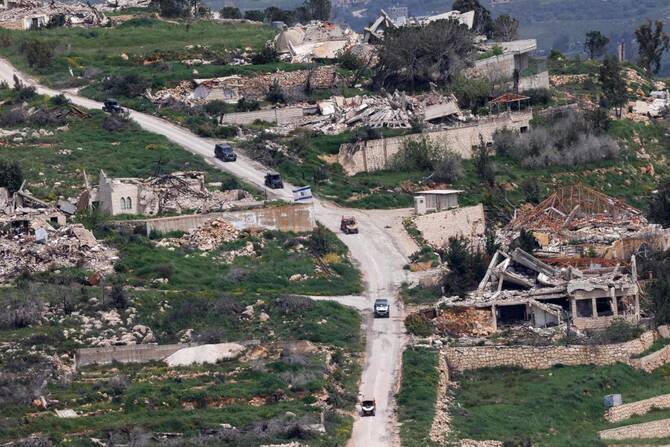
- Infrastructure in affected areas has been heavily damaged
The Lebanon Israel ceasefire extension request is partly driven by the need to address these humanitarian challenges.
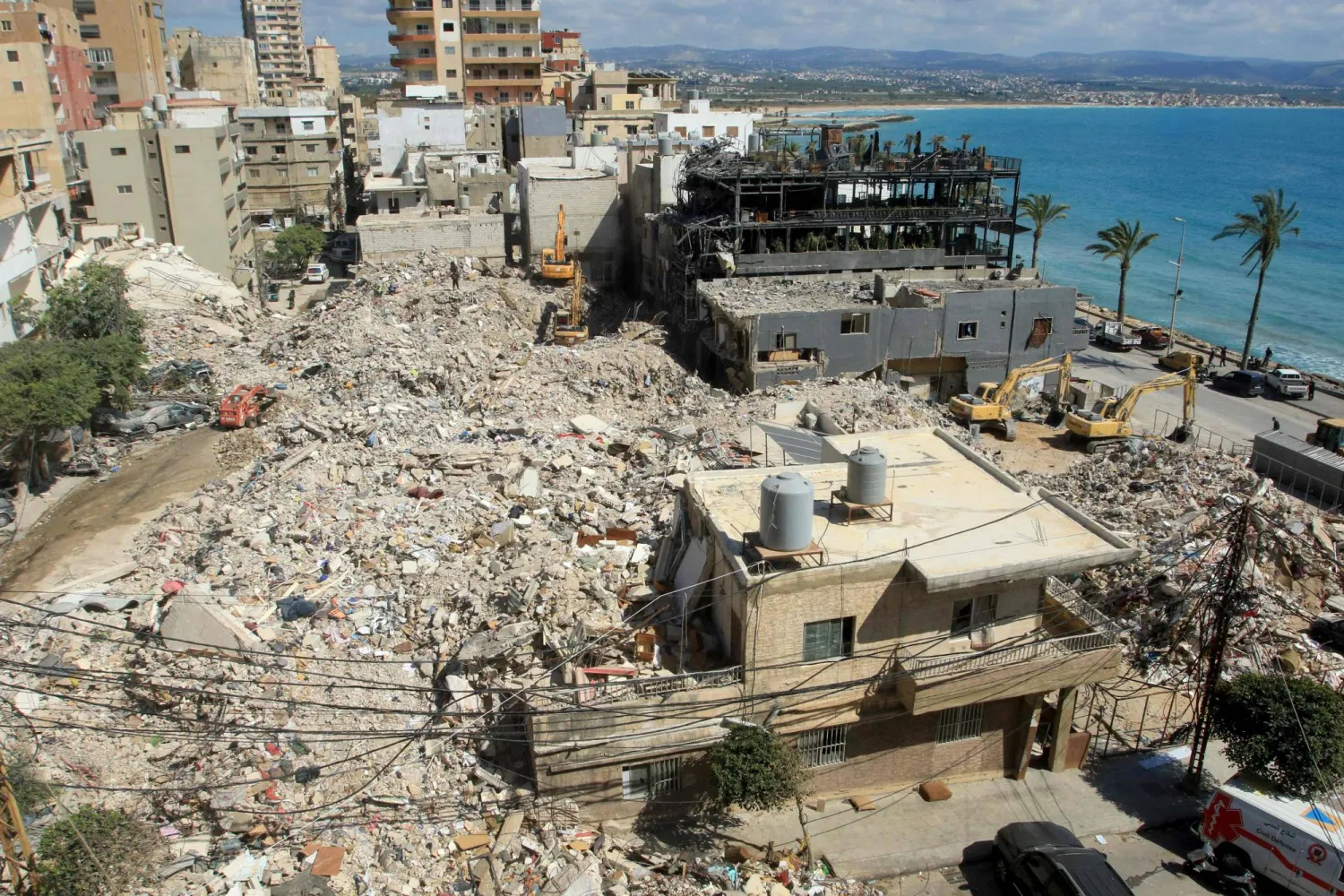
H3: Destruction in affected areas
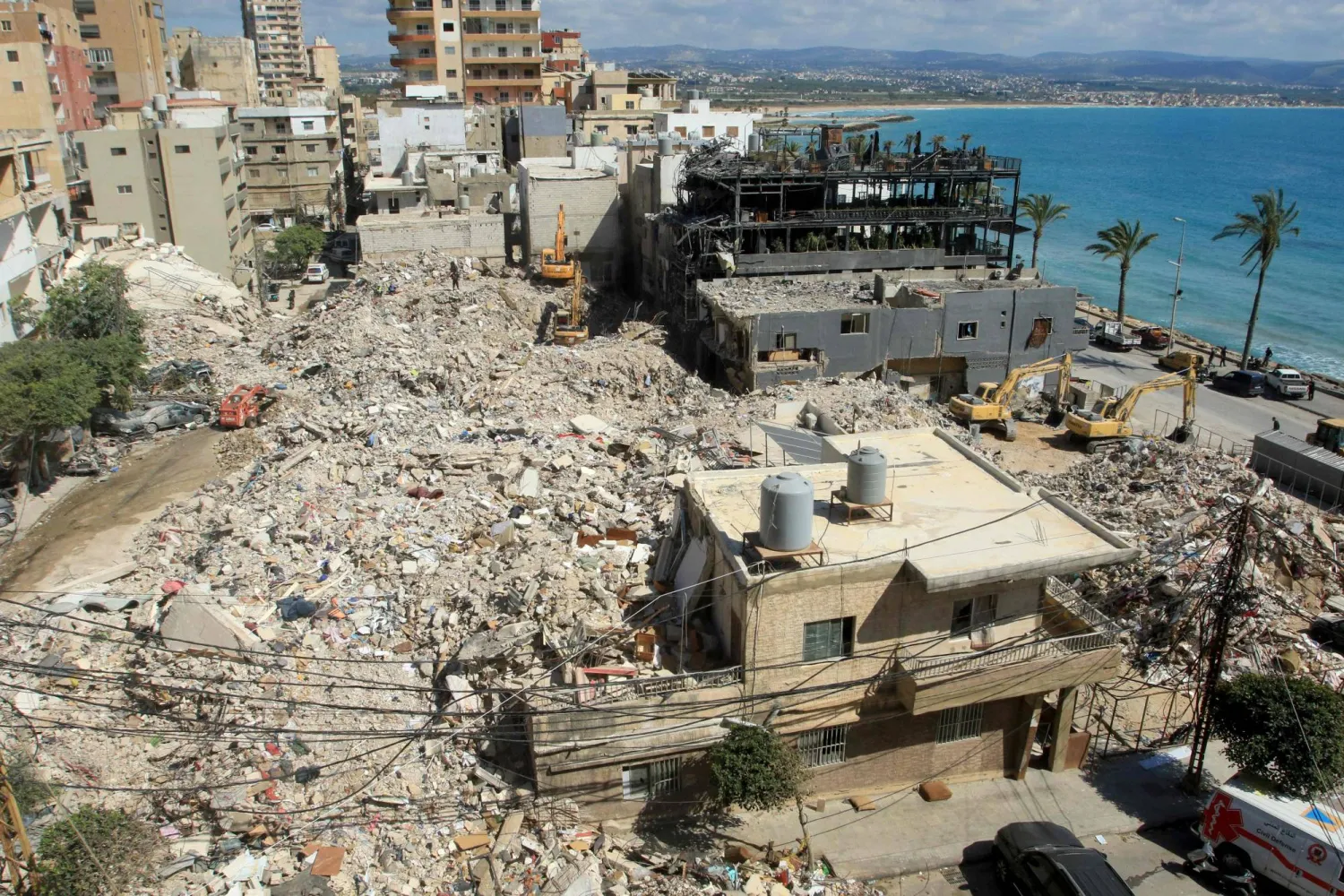
Cities such as Tyre have experienced:
- Widespread building destruction
- Ongoing rescue and recovery operations
- Strain on local emergency services
These conditions underscore the urgency of extending the ceasefire.
Continued Military Presence Despite Ceasefire
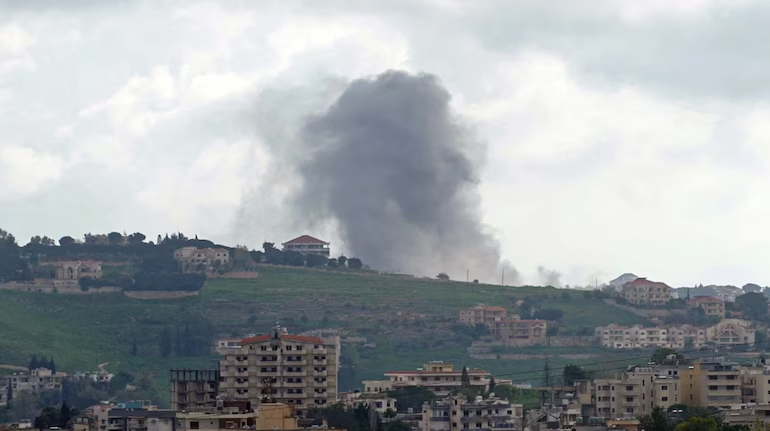
Although a ceasefire is currently in place, military activity has not fully ceased.
H3: Israeli operations in southern Lebanon
Israeli forces continue to:
- Maintain positions in parts of southern Lebanon
- Conduct operations under ceasefire provisions
- Monitor potential threats in the region
The Lebanon Israel ceasefire extension request seeks to limit these actions and reinforce ceasefire compliance.
H3: Terms of the truce
Under the existing agreement:
- Israel reserves the right to respond to imminent threats
- Military engagement is permitted under specific conditions
- Boundaries have been established to separate operational zones
These terms have allowed continued activity despite the ceasefire.
The “Yellow Line” and Security Measures
Israel recently announced the creation of a “yellow line” in southern Lebanon to define operational boundaries.
H3: Purpose of the yellow line
The line is intended to:
- Separate Israeli-controlled areas from other zones
- Provide a buffer for security operations
- Reduce the risk of direct confrontation
H3: Comparison to other conflict zones
This approach is similar to measures used in other regions, where:
- Defined boundaries help manage military activity
- Buffer zones reduce escalation risks
- Monitoring systems improve oversight
The Lebanon Israel ceasefire extension request may involve discussions on how such measures are implemented moving forward.
What to Expect from the Washington Talks
The upcoming meeting in Washington is expected to be a key moment in determining the next phase of the ceasefire.
H3: Potential outcomes
Possible results include:
- Approval of the one-month ceasefire extension
- Adjustments to ceasefire terms
- Continued negotiations without immediate agreement
H3: Role of international mediation
International actors are likely to:
- Facilitate dialogue between both sides
- Encourage compromise and de-escalation
- Support humanitarian considerations
The outcome of these talks will shape the direction of the conflict in the coming weeks.
FAQ
Why is Lebanon requesting a ceasefire extension with Israel?
Lebanon aims to extend the ceasefire to reduce violence, protect civilians, and allow more time for diplomatic negotiations.
How long is the proposed ceasefire extension?
Lebanon is requesting a one-month extension of the current truce.
What are Israel’s main concerns in the talks?
Israel is focused on security issues, particularly the activities of Hezbollah in southern Lebanon.
Is the ceasefire currently being fully observed?
No, while the ceasefire is in effect, military operations and presence continue under certain conditions.
Conclusion
The Lebanon Israel ceasefire extension request reflects ongoing efforts to stabilize a fragile situation marked by deep-rooted conflict and recent escalation. As both sides prepare for talks in Washington, the outcome will be crucial in determining whether the ceasefire can hold and whether broader diplomatic progress can be achieved. The coming days are likely to play a significant role in shaping the next phase of relations between Lebanon and Israel.
Click here for more news