 0
0
 0
0
The Dallas whale mural lawsuit has drawn significant attention after renowned marine life artist Wyland filed a $25 million legal claim over the destruction of one of Dallas’ most recognizable public artworks ahead of the 2026 FIFA World Cup.
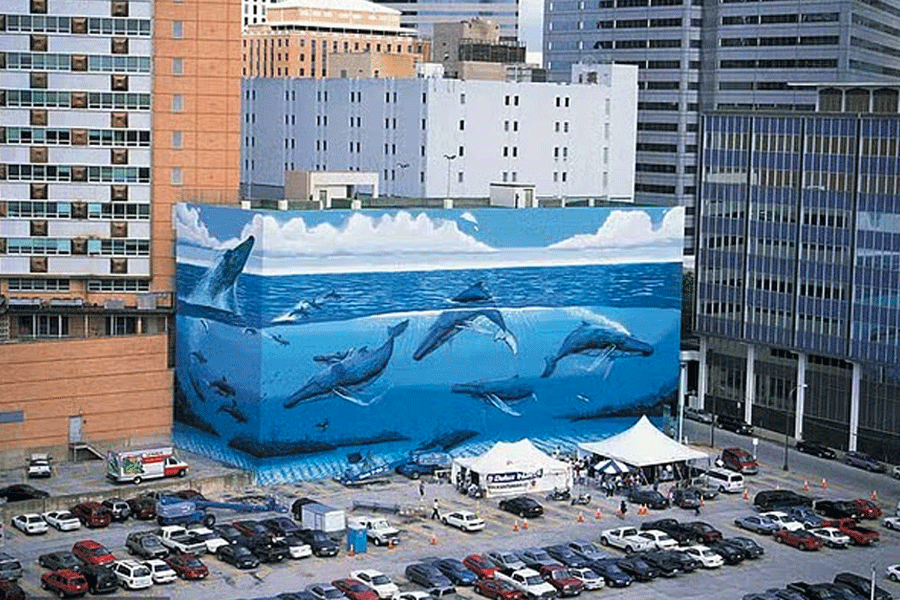
According to court filings, the artist alleges that his large-scale whale mural in downtown Dallas was painted over without his knowledge or permission. The mural, known as “Whaling Wall 82,” had stood for nearly three decades and was considered a local landmark by many residents.
The legal dispute has sparked discussions about artists’ rights, public art preservation, and the balance between urban development and cultural heritage as cities prepare for major international events.
Background of the Dallas Whale Mural
The Dallas whale mural lawsuit centers on a massive artwork that covered approximately 17,000 square feet across two exterior walls of a downtown Dallas building.
A Landmark Created by Wyland
Wyland, an internationally recognized marine life artist, completed the mural in 1999 as part of his broader “Whaling Walls” project.
The project consists of more than 100 large-scale murals located around the world, each designed to promote ocean conservation and raise awareness about marine ecosystems.
The Dallas mural featured life-sized whales swimming across the building’s walls and quickly became a recognizable feature of the city’s landscape.
Conservation Message Behind the Artwork
The mural was more than a public display of art.
It was intended to educate people about marine conservation and encourage environmental awareness. Over the years, it became a symbol of public art in Dallas and attracted attention from residents and visitors alike.
Nearly Three Decades on Display
For almost 30 years, the artwork remained a prominent fixture in downtown Dallas.
Its longevity contributed to its reputation as an important cultural landmark within the community.
Why the Mural Was Painted Over
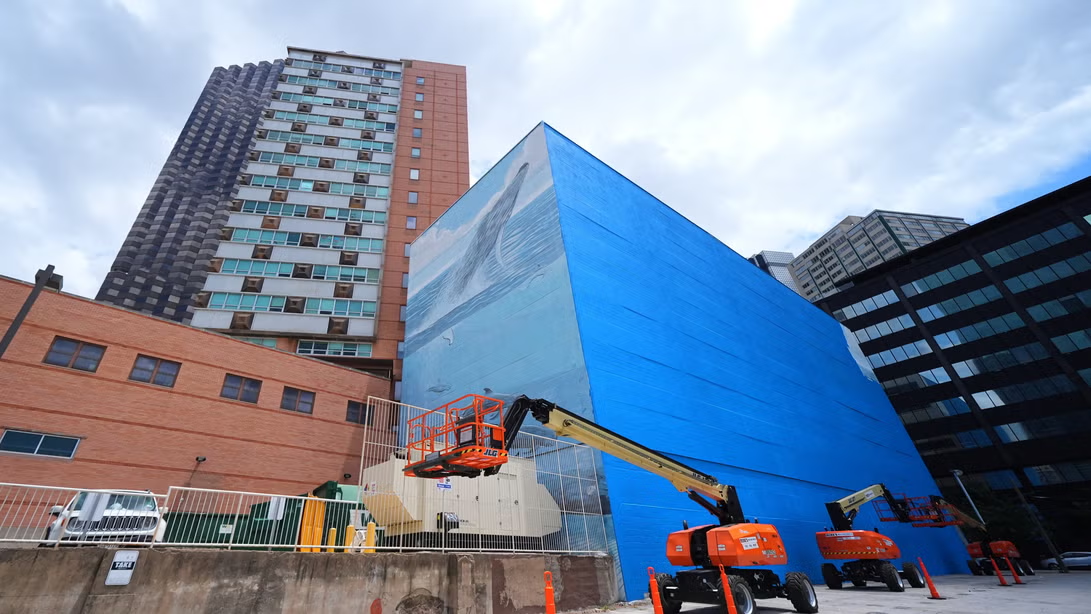
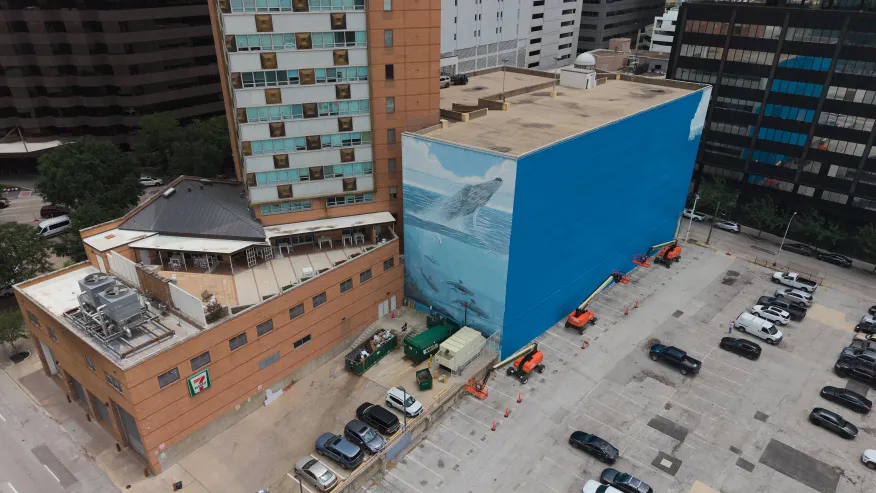
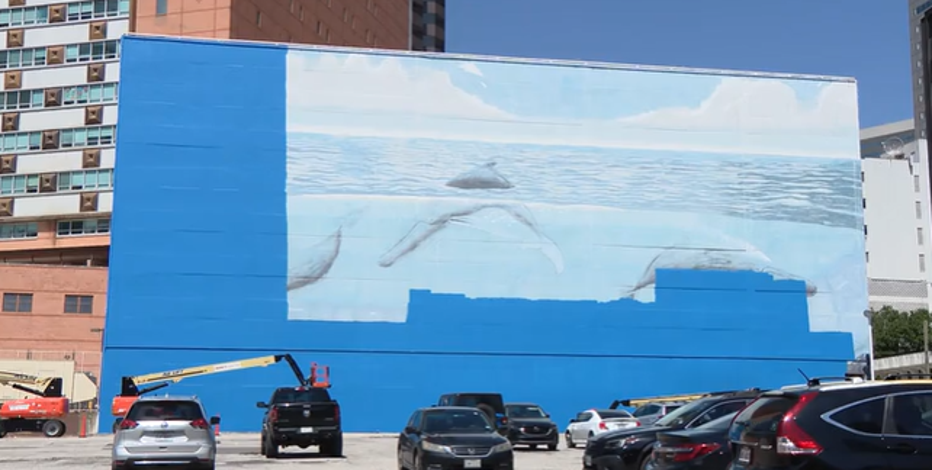
The controversy began when workers started covering the mural as part of preparations related to the upcoming 2026 FIFA World Cup.
World Cup Preparations in Dallas
Dallas is expected to play a major role in the tournament.
The city is scheduled to host nine World Cup matches, more than any other host location in the tournament being jointly organized by the United States, Canada, and Mexico.
Officials involved in local preparations indicated that new artwork would be installed to reflect the global significance of the event.
Plans for Replacement Artwork
Representatives connected to the local organizing efforts stated that a new public art installation is planned for the location.
According to organizers, the replacement artwork is intended to capture:
- The spirit of the World Cup
- International unity
- Cultural diversity
- The significance of the 2026 tournament
Officials also stated that a portion of the original mural would be preserved.
Public Reaction to the Removal
The decision generated strong reactions from many residents.
Several community members expressed disappointment over the removal of a well-known public landmark, arguing that the mural represented an important part of Dallas’ cultural identity.
An online petition opposing the destruction of the artwork attracted thousands of signatures shortly after the incident became public.
Details of the $25 Million Lawsuit
The Dallas whale mural lawsuit was filed in a federal court in Dallas.
Wyland argues that the mural was destroyed without any prior notice or consultation.
Claims Made by the Artist
According to the lawsuit, the artist alleges that several parties were involved in authorizing or carrying out the painting over of the mural.
The lawsuit claims that those actions resulted in the permanent destruction of a significant work of public art.
Wyland argues that the mural was not merely decorative but held substantial artistic and cultural value.
Requested Damages
The lawsuit seeks at least $25 million in damages.
The claim states that the mural represented years of artistic effort and had become a recognized landmark within the city.
The requested compensation reflects both the artistic significance of the work and the alleged violation of federal protections for visual artists.
Allegations Against Defendants
Court documents describe the mural’s destruction as irreversible and contend that the artwork was removed to make way for World Cup-related promotional efforts.
The lawsuit argues that the decision disregarded the rights granted to artists under federal law.
The Visual Artists Rights Act at the Center of the Case
A major legal issue in the Dallas whale mural lawsuit involves the Visual Artists Rights Act (VARA).
What Is VARA?
The Visual Artists Rights Act was enacted in 1990.
The law provides certain protections for creators of visual art, including the right to prevent intentional destruction of works considered to have “recognized stature.”
How the Law May Apply
Wyland’s legal team argues that the mural qualifies for protection under VARA because of:
- Its artistic significance
- Public recognition
- Longstanding presence in Dallas
- Cultural and educational value
If the court agrees, the case could establish important precedent regarding public artworks connected to major development projects.
Previous Similar Legal Cases
The lawsuit references past legal decisions involving public art.
One of the most notable examples occurred in New York, where graffiti artists successfully sued after their works were whitewashed without permission.
In that case, courts ruled that the destruction violated federal protections for artists and awarded millions of dollars in damages.
Responses From Organizations Involved
Several organizations have responded to the controversy.
FIFA’s Position
A spokesperson for FIFA reportedly stated that the organization had no direct involvement in the mural’s removal.
The organization referred inquiries to local tournament organizers.
Local Organizing Committee
Representatives connected to local World Cup preparations declined detailed public comment regarding the ongoing litigation.
As legal proceedings continue, further responses may emerge through court filings.
Building Management’s Statement
Management representatives for the property where the mural was located indicated that they had been approached regarding the use of the wall space for a new public art installation.
According to their statement, they believed the artist had already been informed about the planned changes.
Impact on Public Art Preservation
The Dallas whale mural lawsuit highlights broader questions about protecting public artworks.
Balancing Development and Cultural Heritage
Cities often undergo significant changes when preparing for major international events.
However, critics argue that preserving cultural landmarks should remain a priority during redevelopment efforts.
Growing Debate Over Public Art Rights
The case has renewed discussions about:
- Artist ownership rights
- Preservation of public art
- Community involvement in redevelopment decisions
- Legal protections for cultural landmarks
Potential Long-Term Effects
The outcome of the lawsuit could influence how cities, developers, and event organizers approach public art projects in the future.
It may also clarify the extent of legal protections available to artists whose works are displayed on privately owned buildings.
FAQ
Why did Wyland file the Dallas whale mural lawsuit?
Wyland filed the lawsuit after his famous whale mural in downtown Dallas was painted over without his consent, according to court filings.
How much money is the artist seeking in damages?
The lawsuit seeks at least $25 million in damages related to the destruction of the mural.
What was the purpose of the Dallas whale mural?
The mural was part of Wyland’s global Whaling Walls project and was created to promote ocean conservation and environmental awareness.
What law is central to the Dallas whale mural lawsuit?
The lawsuit relies heavily on the Visual Artists Rights Act of 1990, which protects certain artworks from intentional destruction.
The Dallas whale mural lawsuit represents a significant legal dispute involving public art, artist rights, and urban redevelopment. As the case proceeds through the courts, it is expected to attract continued attention from artists, legal experts, conservation advocates, and residents interested in the preservation of cultural landmarks. The final outcome may have implications far beyond Dallas, potentially influencing how public artworks are treated in cities preparing for major international events.
Click here for more news