 0
0
 0
0
The US Iran Islamabad talks have placed Pakistan at the center of a sensitive diplomatic effort, as authorities in the capital maintain strict security measures ahead of a possible second round of negotiations between the United States and Iran. The heightened security environment reflects ongoing uncertainty surrounding the discussions and the fragile nature of the ceasefire process being coordinated in Islamabad.
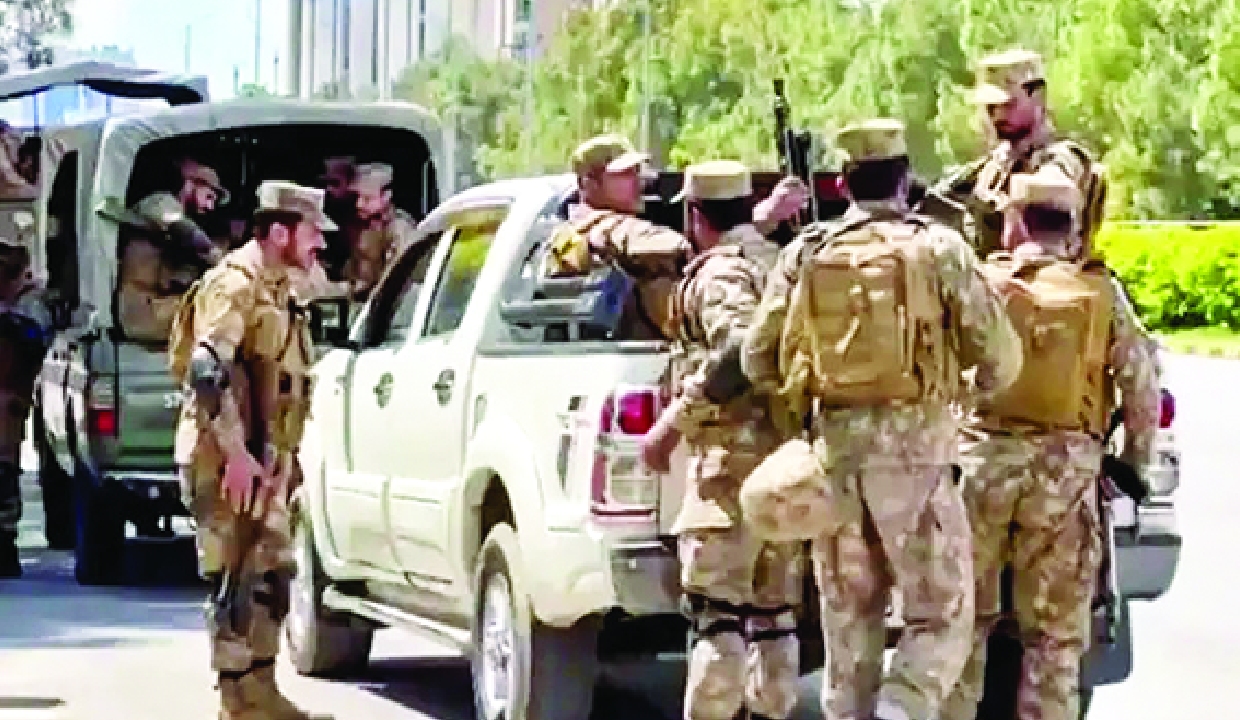
Islamabad under strict lockdown amid diplomatic tensions
Key security restrictions across the capital
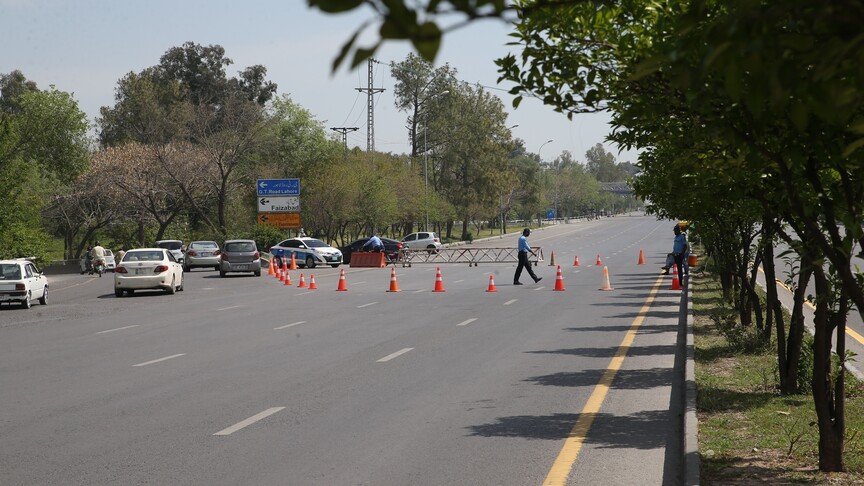
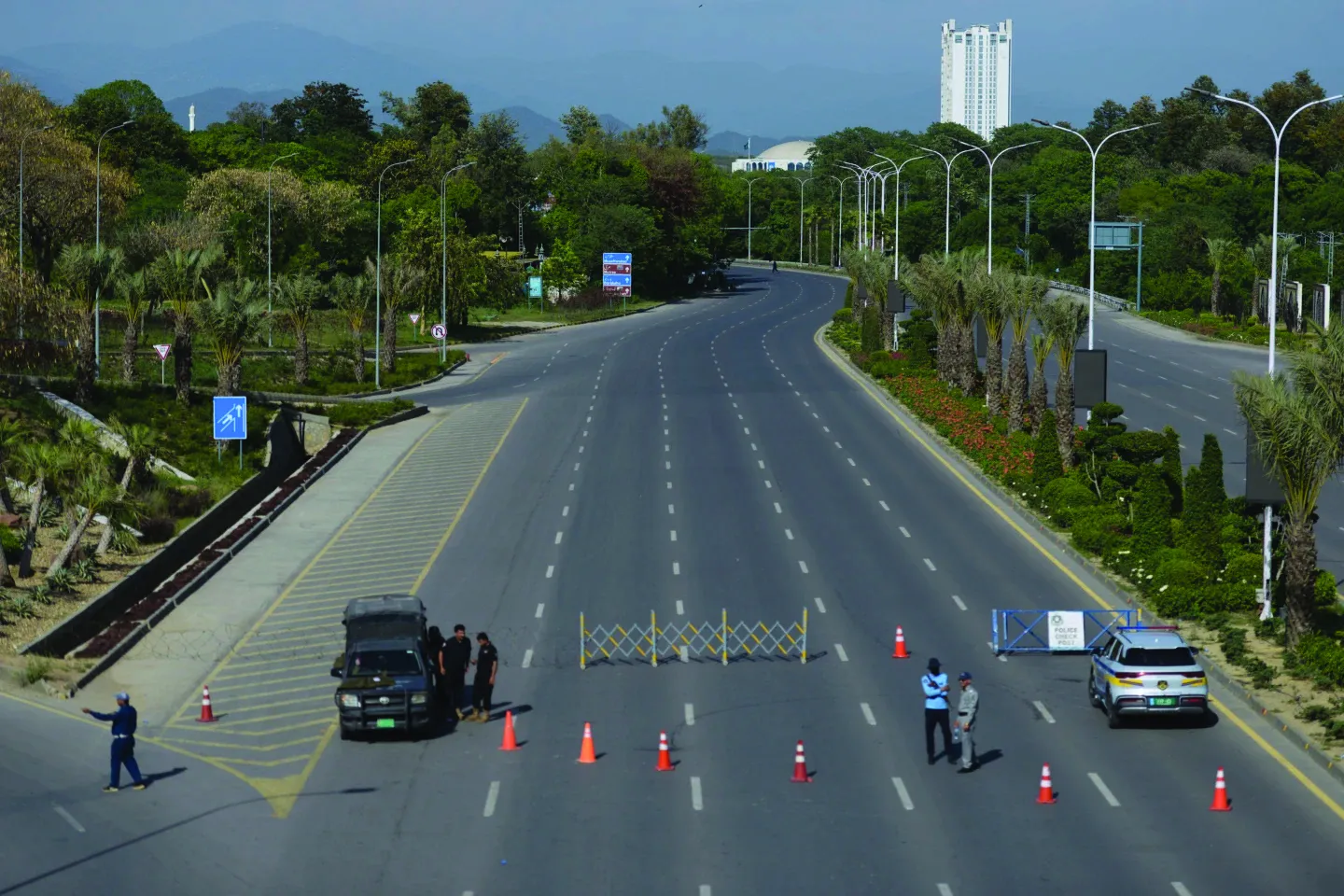
Authorities in Islamabad have enforced sweeping restrictions to ensure stability during the ongoing diplomatic engagement linked to the US Iran Islamabad talks. Several parts of the city remain inaccessible to the public.
Key measures include:
- Closure of major roads leading to the high-security Red Zone
- Suspension of metro and public transport services
- Shutdown of schools, hostels, and educational institutions
- Heavy deployment of security forces across sensitive areas
The Red Zone, which hosts key government institutions and diplomatic venues, has been fully sealed off, with only authorized movement permitted.
Impact on daily life in Islamabad and Rawalpindi
Residents in Islamabad and neighboring Rawalpindi have faced disruptions as normal activities remain suspended. Educational institutions have remained closed for several days, while commuting has been significantly affected.
Despite these restrictions, authorities have partially reopened two bus terminals in Rawalpindi, allowing limited intercity travel under strict monitoring.
Continued enforcement of security protocols
Security sources confirmed that law enforcement agencies have been directed to maintain maximum alert status until further notice. The measures are directly linked to ongoing developments in the US Iran Islamabad talks, which are being closely monitored by regional stakeholders.
Background of US-Iran negotiations hosted in Pakistan
Pakistan’s diplomatic mediation role
The current diplomatic process highlights Pakistan’s growing involvement in facilitating communication between global powers. The country previously played a key role in arranging a two-week ceasefire agreement between the United States and Iran earlier in April.
This mediation effort has positioned Pakistan as a temporary neutral ground for dialogue during heightened regional tensions.
Earlier rounds of talks in Islamabad
Initial discussions between Washington and Tehran were held in Islamabad over two days, involving senior delegations from both sides. While those meetings did not produce a final agreement, they marked an important step toward continuing diplomatic engagement.
The US Iran Islamabad talks are part of a broader attempt to reduce escalation and prevent further instability in the Middle East.
Ceasefire developments and diplomatic uncertainty
Extension of ceasefire period
The ceasefire linked to the negotiations was recently extended following discussions involving US leadership. The extension was intended to provide additional time for Iran to prepare a unified diplomatic response.
The decision reflects ongoing uncertainty in the negotiation process and the need for continued dialogue under the US Iran Islamabad talks framework.
Key international positions
The diplomatic standoff includes several major demands and counter-demands:
- The United States has called for reopening critical maritime routes, including the Strait of Hormuz
- Iran has raised concerns over economic restrictions and sanctions-related pressures
- Both sides remain divided on implementation mechanisms
Strategic importance of the Strait of Hormuz
Global energy and trade implications
The Strait of Hormuz remains a critical maritime route in the ongoing negotiations. It is one of the world’s most important oil transit chokepoints, and any disruption significantly affects global energy markets.
Recent developments surrounding the strait have intensified diplomatic urgency, adding pressure to the US Iran Islamabad talks.
Fluctuating control and maritime tensions
Reports indicate that the status of the strait has shifted multiple times amid regional tensions. These fluctuations have further complicated diplomatic negotiations, making stability a central focus of ongoing discussions.
US and Iran positions in ongoing negotiations
United States delegation approach
The United States delegation is expected to include senior representatives, with Vice President JD Vance reportedly leading engagement efforts. Washington’s approach focuses on security guarantees, maritime access, and regional stability.
Iran’s conditions and response
Iran has expressed reluctance to proceed without certain preconditions being met, particularly regarding economic restrictions and maritime access. Tehran has emphasized that participation in further rounds of the US Iran Islamabad talks depends on progress in these areas.
Regional implications of Islamabad-hosted diplomacy
Pakistan’s balancing diplomatic role
Pakistan continues to manage a delicate diplomatic position, balancing relationships with multiple global and regional actors. Hosting the US Iran Islamabad talks places Islamabad in a critical mediation role, requiring strict internal security arrangements.
Broader Middle East impact
The outcome of the negotiations could influence:
- Energy market stability
- Regional security dynamics
- International shipping routes
- Diplomatic relations between major powers
Security situation in Islamabad remains heightened
Authorities have maintained strict vigilance across all sensitive zones in Islamabad. The ongoing security posture is expected to continue until further instructions are issued, depending on the progress of the diplomatic talks.
Security officials have emphasized that these measures are preventive and aimed at ensuring uninterrupted diplomatic engagement during the US Iran Islamabad talks.
FAQ
Why is Islamabad under strict security during US Iran Islamabad talks?
Islamabad is under heightened security to protect diplomatic activities involving the United States and Iran and to prevent any disruptions during negotiations.
What role is Pakistan playing in the US Iran Islamabad talks?
Pakistan is acting as a mediator and host, facilitating communication between the two countries during ongoing ceasefire and diplomatic discussions.
Why is the Strait of Hormuz important in these negotiations?
The Strait of Hormuz is a vital global oil transit route, and its status directly impacts international trade and energy security.
Have the US Iran Islamabad talks produced any agreement yet?
So far, the discussions have not resulted in a final agreement, but they continue as part of ongoing diplomatic efforts to reduce tensions.
Conclusion
The evolving US Iran Islamabad talks highlight Pakistan’s emerging role as a diplomatic facilitator in a complex international conflict. While security restrictions remain strict in Islamabad, negotiations between the United States and Iran continue under uncertain conditions. The outcome of these talks could shape regional stability, global energy security, and future diplomatic relations between the involved parties.
Click here for more news