 0
0
 0
0
The US sanctions Maduro defence funding Venezuela decision marks a significant shift in policy, as Washington has agreed to ease restrictions to allow Venezuela to pay for former president Nicolas Maduro’s legal defence. The move ensures that ongoing criminal proceedings in New York can continue without disruption.
US Adjusts Sanctions to Support Legal Process
US authorities have modified sanctions previously imposed on Venezuela, allowing government funds to be used to pay legal fees for Nicolas Maduro’s defence team.
Reason Behind the Policy Change
The adjustment comes after concerns that earlier restrictions could interfere with the legal process.
Key reasons include:
- Ensuring the trial proceeds without delays
- Addressing legal concerns about fair representation
- Avoiding potential dismissal of charges
Court filings indicate that the earlier sanctions had blocked payments, creating complications for the defence.
Legal Rights at the Center of the Decision
Under US law, all defendants are entitled to legal representation regardless of nationality.
The issue raised questions about:
- The constitutional right to counsel
- Access to chosen legal representation
- Fair trial standards in high-profile cases
Legal experts emphasized that restricting payment options could undermine due process.
Background of Maduro’s Case in the United States
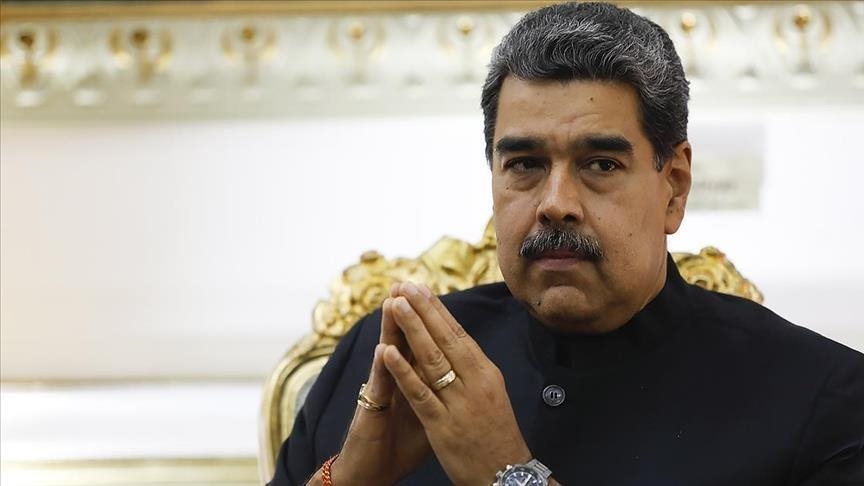
Nicolas Maduro, the former president of Venezuela, is currently facing serious criminal charges in the United States.
Arrest and Transfer to the US
Maduro and his wife, Cilia Flores, were taken into US custody earlier in 2026 and transferred to New York.
Details include:
- Arrested in Caracas in January 2026
- Brought to the US to face federal charges
- Currently held in detention in Brooklyn
Both defendants have pleaded not guilty to the charges.
Charges Filed Against Maduro
The case includes several serious allegations, such as:
- Narcoterrorism conspiracy
- Drug trafficking-related offenses
- Additional federal criminal charges
The trial is considered one of the most high-profile international legal cases in recent years.
Dispute Over Defence Funding
The US sanctions Maduro defence funding Venezuela issue stems from earlier restrictions that prevented the Venezuelan government from paying Maduro’s legal fees.
Legal Challenge by Defence Team
Maduro’s lawyer argued that:
- Sanctions blocked necessary funding
- The restriction violated constitutional rights
- The case could be dismissed if the issue remained unresolved
This argument placed pressure on US authorities to reconsider the policy.
Court Response and Concerns
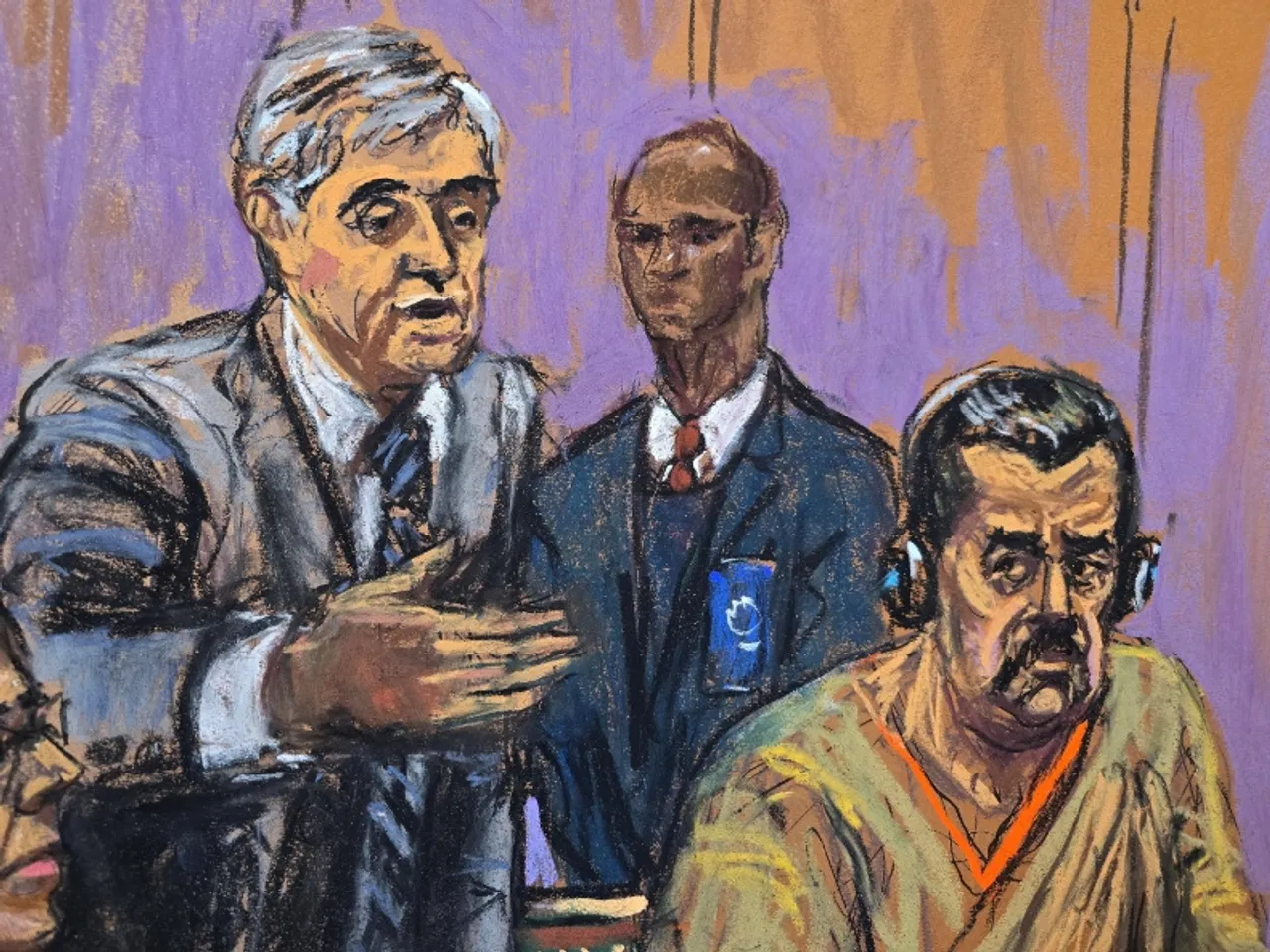
The presiding judge raised concerns about the fairness of blocking legal payments.
Key points discussed in court:
- Whether sanctions were justified in this context
- The importance of ensuring legal representation
- Potential implications for the trial’s validity
The judge indicated that dismissing the case was unlikely but questioned the restrictions.
US Government Position on Sanctions
Before the policy change, US prosecutors defended the sanctions as part of broader national security and foreign policy objectives.
Justification for Initial Restrictions
Authorities previously argued that:
- Sanctions were necessary for foreign policy goals
- Venezuela’s government should not fund Maduro’s defence
- The executive branch controls sanctions policy
These arguments reflected the wider US stance on Venezuela.
Shift Toward Limited Flexibility
The recent adjustment shows a more flexible approach, allowing specific exemptions while maintaining overall sanctions.
This type of modification:
- Preserves broader sanctions framework
- Addresses immediate legal concerns
- Ensures judicial processes continue
Broader Context of US-Venezuela Relations
The US sanctions Maduro defence funding Venezuela development comes amid evolving relations between Washington and Caracas.
Changing Political Landscape in Venezuela
Recent shifts include:
- Changes in leadership dynamics
- Partial easing of some sanctions
- Renewed diplomatic engagement
These developments have influenced policy decisions.
Balancing Legal and Political Interests
The US government faces the challenge of balancing:
- Enforcement of sanctions
- Respect for legal rights
- Diplomatic considerations
The current decision reflects an attempt to manage these competing priorities.
Implications for the Trial and Future Cases
The decision to allow defence funding could have broader implications for similar cases involving sanctioned individuals.
Impact on Maduro’s Trial
The immediate effect is that:
- Legal representation can continue without interruption
- The trial remains on track
- Potential legal challenges are reduced
This helps ensure procedural fairness.
Potential Precedent
The case may set an example for:
- How sanctions interact with legal rights
- Future exemptions in similar situations
- Handling of international defendants in US courts
FAQ
Why did the US modify sanctions for Maduro’s defence?
The change was made to ensure that Maduro can access legal representation and that the trial proceeds without constitutional issues.
Can sanctioned individuals still receive legal support?
Yes, US law guarantees the right to legal counsel, and exemptions can be made to uphold this right.
What charges is Nicolas Maduro facing?
He faces charges including narcoterrorism conspiracy and drug trafficking-related offenses.
Does this mean US sanctions on Venezuela are lifted?
No, the sanctions remain in place overall, but specific adjustments have been made to allow legal funding.
Conclusion
The US sanctions Maduro defence funding Venezuela decision highlights the complex balance between enforcing foreign policy measures and upholding legal rights. By easing restrictions to allow defence funding, US authorities aim to ensure that the judicial process proceeds fairly while maintaining broader sanctions against Venezuela. The case continues to draw attention as it unfolds in New York.
Click here for more news