 0
0
 0
0
The Tehran international airport flights resume 2026 marks a significant development as Iran restores commercial air travel following weeks of disruption caused by regional conflict. The reopening signals a cautious return to normalcy after tensions involving the United States and Israel led to widespread airspace restrictions.
Iran Restarts Commercial Flights from Tehran
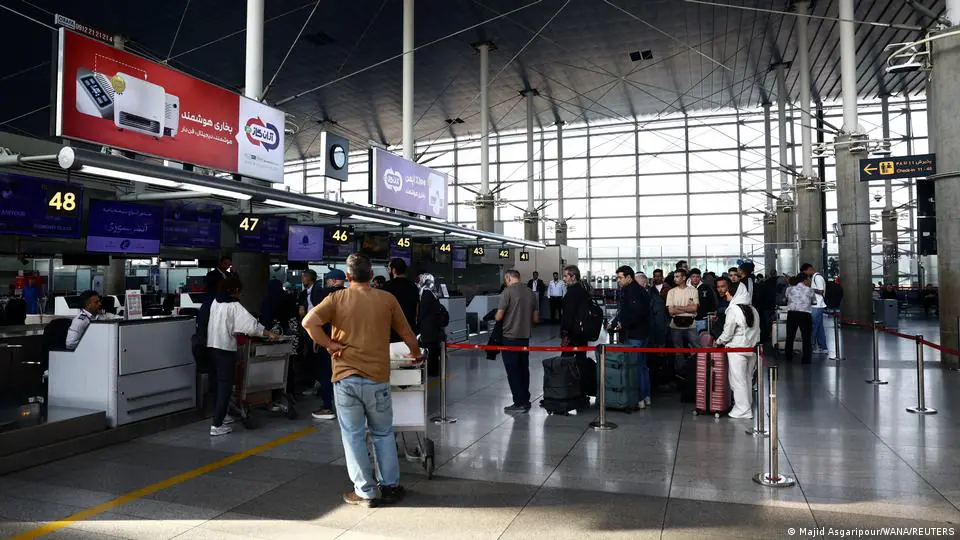
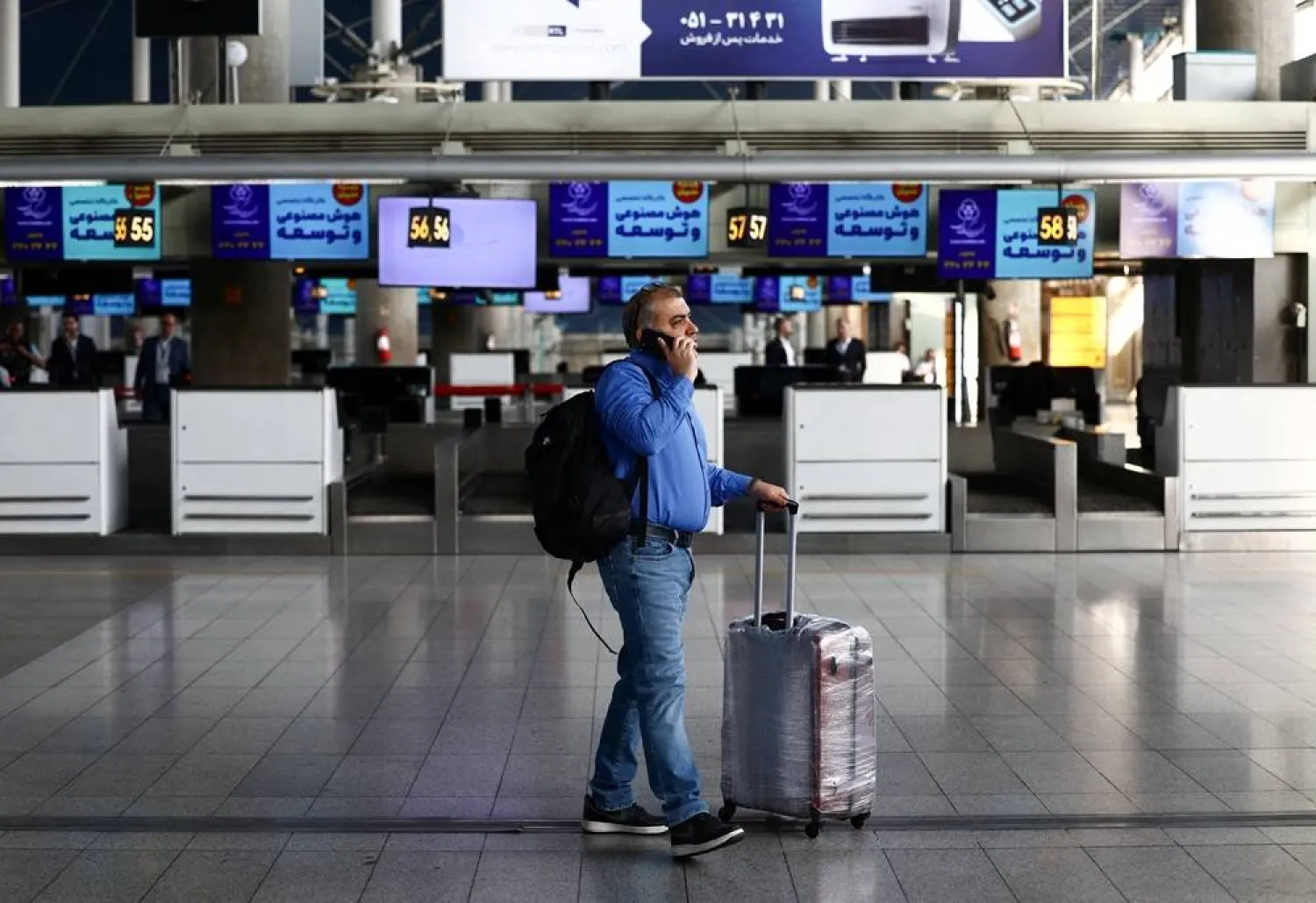
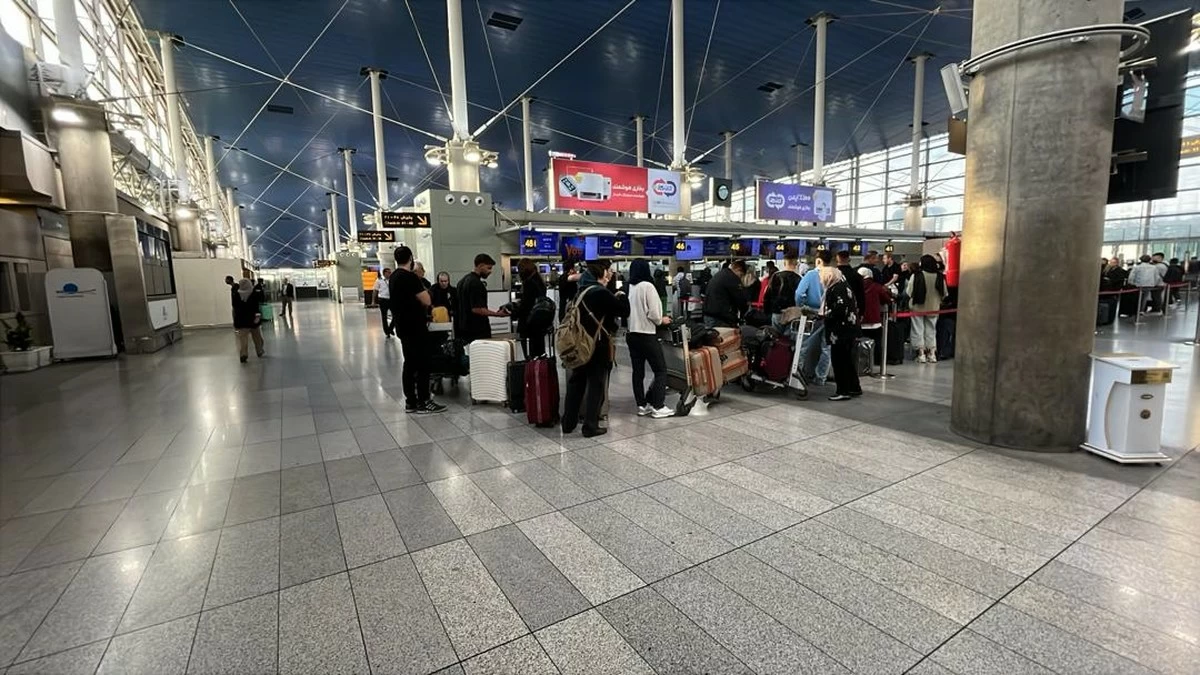
For the first time in nearly two months, Iran has resumed commercial flights from its main international airport in Tehran.
First Departures After Suspension
According to official reports, flights have begun operating again, connecting Tehran to key regional destinations.
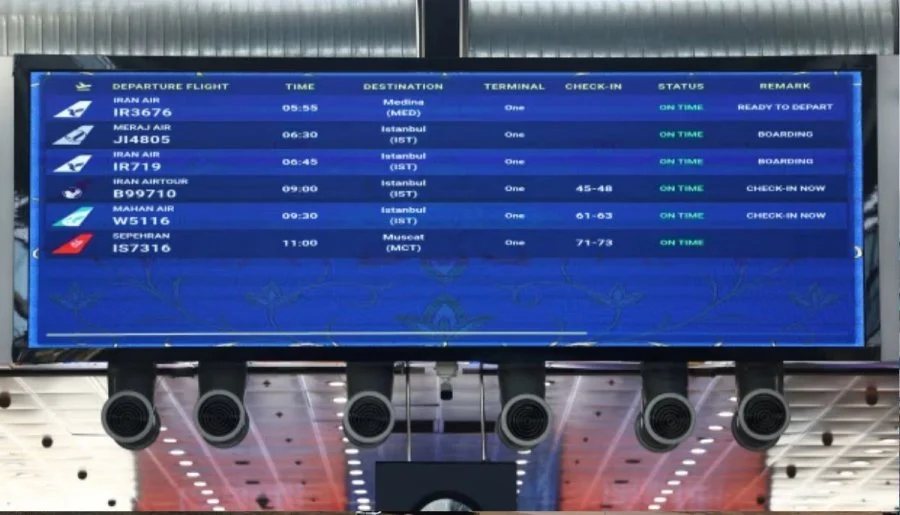
Initial routes include:
- Istanbul, Turkey
- Muscat, Oman
- Medina, Saudi Arabia
These early departures indicate a gradual reopening of international travel routes.
Significance of Flight Resumption
The Tehran international airport flights resume 2026 development is seen as an important step in restoring:
- Air travel connectivity
- Economic activity linked to aviation
- Public confidence in travel safety
It also reflects improving conditions following recent diplomatic developments.
Background: Airspace Closure During Conflict
Iran’s airspace had been largely closed due to escalating tensions and conflict in the region.
Impact of Regional Conflict
The shutdown occurred during a period of heightened confrontation involving:
- The United States
- Israel
- Iranian military activity
This led to widespread disruption in both domestic and international flights.
Aviation and Safety Concerns
Authorities halted flights primarily due to:
- Safety risks for civilian aircraft
- Potential military operations in the region
- Uncertainty surrounding airspace security
These measures were aimed at preventing aviation incidents.
Ceasefire Leads to Gradual Reopening
The Tehran international airport flights resume 2026 follows a ceasefire that reduced hostilities in the region.
Partial Reopening of Airspace
Earlier in April, Iran began to reopen parts of its airspace after a ceasefire agreement.
This included:
- Limited flight permissions
- Gradual restoration of air routes
- Coordination with international aviation bodies
The phased approach allowed authorities to assess safety conditions.
Role of Diplomatic Developments
The ceasefire between Iran and opposing forces played a key role in enabling:
- Reduced military activity
- Safer airspace conditions
- Resumption of civilian operations
This highlights the link between geopolitical stability and aviation operations.
Economic and Travel Implications
The return of flights is expected to have broader economic and social impacts.
Boost to Travel and Tourism
Resuming flights can support:
- Religious travel to destinations like Medina
- Business travel between regional hubs
- Tourism recovery in affected areas
This is particularly important for airlines and related industries.
Trade and Connectivity Benefits
Air travel also plays a role in:
- Cargo transportation
- Regional trade links
- International connectivity
Restoring flights helps reestablish these networks.
Gradual Recovery Expected
While flights have resumed, a full return to normal operations may take time.
Phased Expansion of Routes
Authorities are likely to:
- Add more destinations gradually
- Monitor safety conditions continuously
- Adjust operations based on regional stability
This cautious approach reduces risks.
Ongoing Monitoring of Security Situation
Despite the ceasefire, uncertainties remain.
Key considerations include:
- Potential for renewed tensions
- Airspace security assessments
- Coordination with international aviation authorities
These factors will influence the pace of recovery.
Regional Aviation Outlook
The Tehran international airport flights resume 2026 may also impact aviation trends across the Middle East.
Reopening of Key Air Routes
The resumption could encourage:
- Neighboring countries to restore flight connections
- Airlines to reintroduce suspended routes
- Increased passenger movement across the region
Influence on Airline Operations
Airlines may adjust operations based on:
- Demand for travel
- Safety evaluations
- Government regulations
This will shape the regional aviation landscape in the coming months.
FAQ
Why were flights suspended in Tehran?
Flights were halted due to safety concerns during regional conflict involving Iran, the United States, and Israel.
Which destinations are available after flights resumed?
Initial flights are scheduled to Istanbul, Muscat, and Medina.
Is Iran’s airspace fully reopened?
No, the reopening is gradual, with limited routes and ongoing safety monitoring.
What does this mean for travelers?
Travel options are beginning to return, but availability may remain limited as operations expand.
Conclusion
The Tehran international airport flights resume 2026 marks a cautious but important step toward restoring normal air travel in Iran. While the ceasefire has enabled the reopening of key routes, ongoing monitoring and gradual expansion will determine how quickly full operations can return. The development reflects broader efforts to stabilize the region and rebuild connectivity.
Click here for more news