 0
0
 0
0
The Palestinian digital payments initiative is set to play a larger role in the Palestinian economy as authorities work to reduce dependence on physical cash and ease mounting pressure on the banking sector.
Officials from the Palestinian Monetary Authority (PMA) say expanding electronic payment systems forms part of a broader strategy to address financial challenges that have intensified due to restrictions affecting the movement of cash between Palestinian and Israeli banks.
The transition is expected to be introduced gradually over the next two years while supporting infrastructure continues to be developed.

Palestinian Authority Pushes Electronic Payments
The Palestinian digital payments strategy was outlined by Deputy Governor of the Palestinian Monetary Authority, Mohammad Manasra, in comments published by the Palestinian news agency WAFA.
According to Manasra, increasing the use of digital transactions is intended to strengthen the financial system while reducing reliance on physical banknotes.
He said the policy is designed to modernize the economy rather than place additional burdens on businesses or consumers.
Two-Year Implementation Plan
Officials indicated that the transition toward greater digital payment adoption will occur in phases.
Authorities plan to introduce the policy alongside improvements to payment infrastructure to ensure businesses, banks and consumers can adapt to the new system efficiently.
Banking Restrictions Continue to Create Pressure
The Palestinian digital payments initiative comes as banks continue facing limits on returning surplus Israeli shekel banknotes.
Under current arrangements, Palestinian financial institutions can transfer physical cash only through Bank Hapoalim and Israel Discount Bank, subject to an annual limit of NIS 18 billion.
Economists have argued that the existing cap no longer reflects the current size of the Palestinian economy, resulting in growing cash accumulation inside local banks.
Surplus Cash Challenges Banks
According to financial experts, surplus shekel holdings have reached levels that complicate banking operations.
Banks require correspondent accounts with Israeli financial institutions to facilitate trade and financial transactions. However, limits on transferring physical cash have reduced their ability to replenish these accounts.
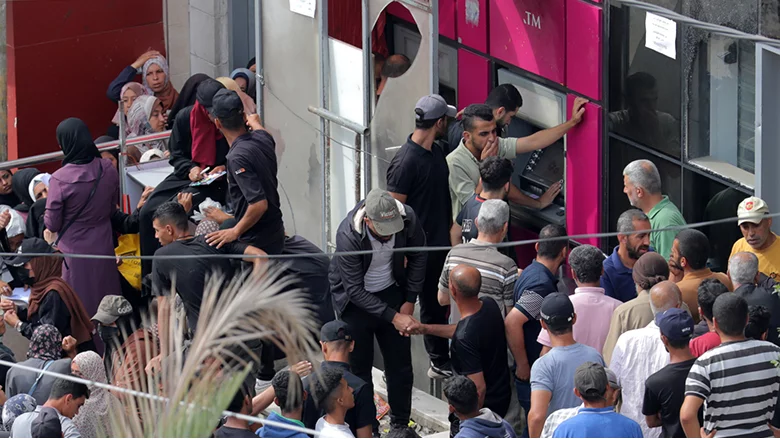
As a result, some banks have reportedly begun limiting or refusing additional shekel cash deposits from customers.
Impact on Businesses and Consumers
The continued accumulation of cash has affected both businesses and individuals.
Companies that rely on cash transactions may face greater difficulty depositing funds, while consumers could experience delays or restrictions when conducting routine banking activities.
Officials believe expanding Palestinian digital payments could help reduce pressure by encouraging electronic transactions instead of cash-based payments.
Supporting Economic Stability
Authorities say broader adoption of digital payment platforms may improve financial efficiency, reduce cash handling costs and strengthen payment systems over the long term.
The initiative also aligns with global trends toward increased use of electronic financial services across both public and private sectors.
Discussions Continue With Israeli Authorities
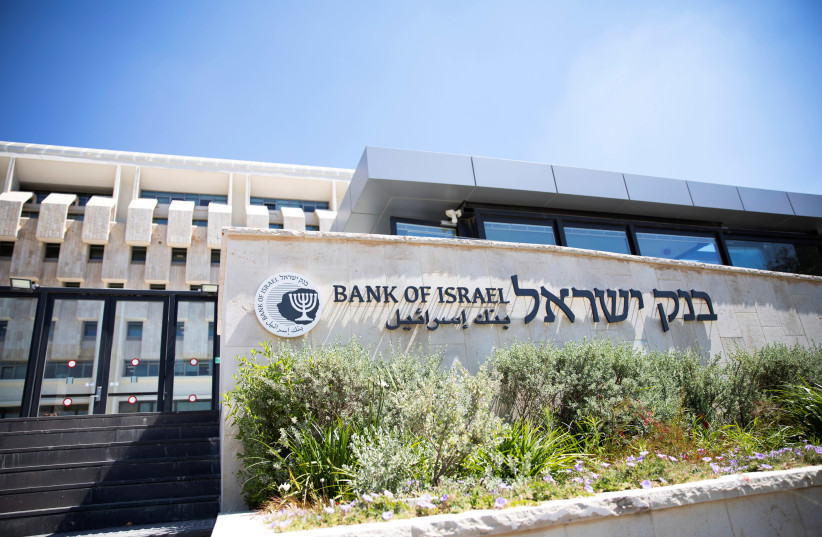
The Palestinian Monetary Authority confirmed that discussions are continuing with the Bank of Israel and international partners regarding the existing cash transfer limits.
Officials hope negotiations could eventually lead to an increase in the current annual transfer cap, allowing banks greater flexibility in managing surplus cash.
The responsibility for approving such arrangements has largely rested with the Israeli government since late 2023.
Modernization Remains a Long-Term Goal
While negotiations continue, Palestinian officials say investment in digital financial infrastructure remains a priority.
Expanding electronic payment systems is viewed as one of several measures aimed at improving the resilience of the financial sector while reducing dependence on physical currency.
What Happens Next?
The Palestinian digital payments program is expected to be implemented gradually over the coming two years.
Authorities will continue developing payment infrastructure while working with financial institutions, businesses and international partners to support the transition.
Meanwhile, discussions regarding cash transfer limits are expected to continue as both sides seek practical solutions to ongoing banking challenges.
Frequently Asked Questions
What is the Palestinian digital payments initiative?
The Palestinian digital payments initiative is a plan by the Palestinian Monetary Authority to increase the use of electronic transactions and reduce reliance on physical cash.
Why are Palestinian banks facing cash problems?
Banks have accumulated large amounts of Israeli shekels because current restrictions limit how much physical cash can be transferred through Israeli correspondent banks each year.
How long will the transition take?
Officials expect the implementation of expanded digital payment systems to take place gradually over approximately two years.
Will digital payments solve the banking crisis?
Authorities believe digital payments can help ease pressure on the banking system, although broader financial and regulatory challenges will also need to be addressed.
Conclusion
The Palestinian digital payments strategy represents an important step toward modernizing the Palestinian financial system amid ongoing banking pressures. While electronic transactions are expected to reduce dependence on cash over time, officials acknowledge that continued cooperation with financial institutions and international partners will remain essential to achieving long-term stability.
PLEASE CLICK HERE FOR MORE NEWS