 0
0
 0
0
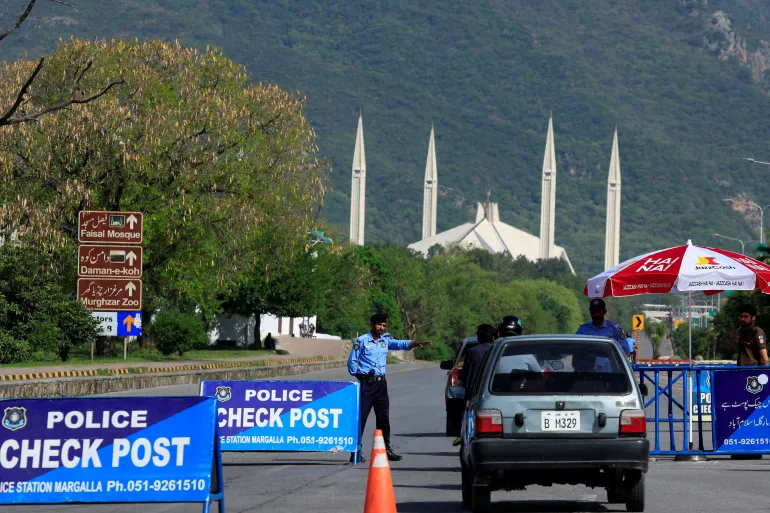
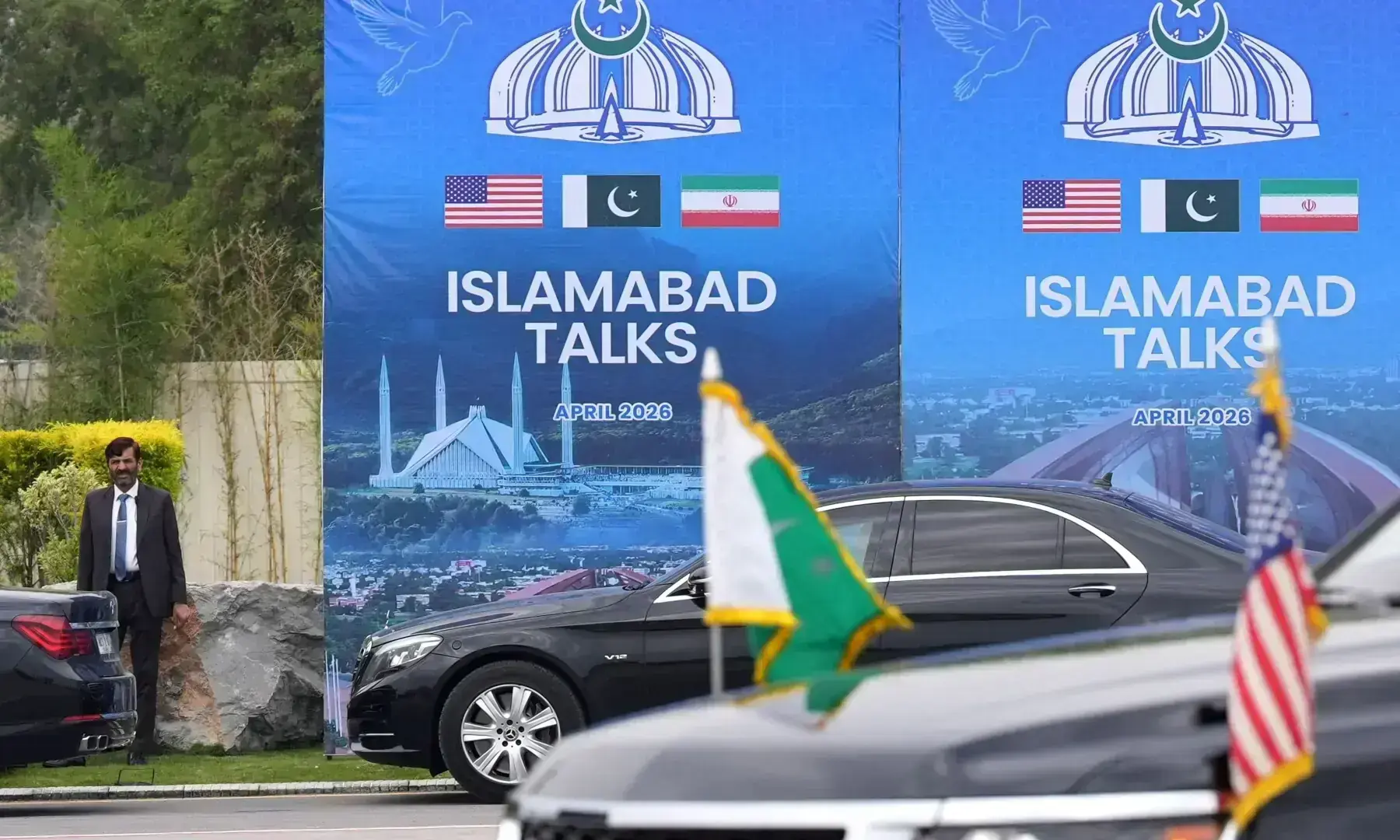
The US Iran talks Islamabad negotiators have taken center stage as a second round of high-stakes discussions begins in Pakistan’s capital. These negotiations aim to extend a fragile ceasefire between Washington and Tehran, with tensions still running high across the region.
Diplomatic efforts come at a critical moment, as the current ceasefire agreement is set to expire within days. With military actions continuing alongside talks, the outcome remains uncertain.
Background to the Current Negotiations
The ongoing diplomatic process did not begin recently but has evolved through months of indirect and direct engagement.
Origins of the Talks
Before the escalation into open conflict, both sides had already been engaged in:
- Indirect negotiations mediated by regional actors
- Backchannel diplomacy focused on nuclear and security issues
- Attempts to stabilize relations through limited agreements
These earlier efforts laid the groundwork for the current US Iran talks Islamabad negotiators framework.
Ceasefire and Rising Tensions
A temporary ceasefire was established to reduce hostilities. However, recent developments have complicated the situation:
- Increased military activity in strategic waterways
- Seizure of vessels linked to ongoing tensions
- Strong rhetoric from both sides
These factors have made the current round of talks more urgent and complex.
The Missing Voice in Negotiations
One notable absence continues to shape the dynamics of the discussions.
Role of a Key Iranian Strategist
Before the escalation, a senior Iranian official had been deeply involved in negotiations. He was widely regarded as:
- A bridge between political and security institutions
- A key architect of earlier diplomatic engagement
- An experienced negotiator with international credibility
Impact of His Absence
Following his death in an airstrike earlier in the conflict, the absence has:
- Altered the balance within Iran’s negotiating team
- Removed a familiar figure from prior discussions
- Created new challenges in continuity and strategy
The US Iran talks Islamabad negotiators lineup now reflects this shift in representation.
United States Delegation in Islamabad
The US team includes several experienced figures with backgrounds in politics, diplomacy, and strategic negotiations.
Leadership and Representation
The American delegation is led by senior leadership figures tasked with advancing US interests while seeking a diplomatic resolution.
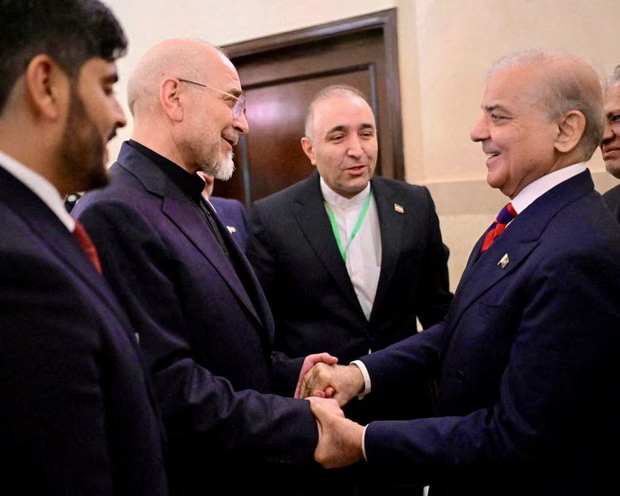
Key Members
- Vice President JD Vance, leading the delegation and previously involved in earlier talks
- Jared Kushner, serving as an influential adviser with prior experience in Middle East negotiations
- Steve Witkoff, acting as a special envoy with direct involvement in pre-conflict discussions
Experience and Strategy
The US Iran talks Islamabad negotiators from the American side bring:
- Prior engagement in similar diplomatic efforts
- Strong alignment with current foreign policy objectives
- Experience in both formal and informal negotiation channels
Their approach is expected to focus on extending the ceasefire while addressing broader security concerns.
Iranian Delegation and Strategic Approach
Iran’s delegation also includes senior political and diplomatic figures with extensive experience.
Core Representatives
The Iranian team is composed of high-ranking officials known for their roles in governance and international negotiations.
Key Members
- Mohammad Bagher Ghalibaf, a senior political figure with a background in security and governance
- Abbas Araghchi, a veteran diplomat known for his role in past nuclear negotiations
Diplomatic Experience
The US Iran talks Islamabad negotiators on Iran’s side are recognized for:
- Deep understanding of international diplomacy
- Experience in complex, multi-party negotiations
- Ability to navigate both technical and political aspects of agreements
Their participation signals Iran’s continued willingness to engage, despite ongoing tensions.
Challenges Facing the Islamabad Talks
The negotiations are taking place under significant pressure from both political and military developments.
Military Escalation During Diplomacy
One of the main challenges is the continuation of military actions alongside diplomatic talks. This includes:
- Naval operations affecting regional shipping
- Security incidents impacting trust
- Strategic moves that influence negotiation positions
Such developments complicate efforts to reach a stable agreement.
Political Pressure and Deadlines
With the ceasefire nearing its expiration, negotiators face a strict timeline. Key concerns include:
- Reaching consensus before the deadline
- Managing domestic political expectations
- Avoiding further escalation if talks fail
The US Iran talks Islamabad negotiators must navigate these pressures carefully.
Role of Pakistan as Host
Pakistan’s involvement highlights its position as a mediator in regional conflicts.
Strategic Importance of Islamabad
Hosting the talks places Pakistan at the center of diplomatic efforts. This role involves:
- Providing a neutral venue for discussions
- Facilitating communication between both sides
- Supporting regional stability initiatives
Diplomatic Influence
Pakistan’s role demonstrates its capacity to:
- Engage with major global powers
- Contribute to conflict resolution
- Strengthen its position in international diplomacy
The success of the US Iran talks Islamabad negotiators may also reflect on Pakistan’s mediation efforts.
Global Implications of the Talks
The outcome of these negotiations could have far-reaching consequences beyond the immediate conflict.
Impact on Regional Stability
A successful agreement could:
- Reduce military tensions in the region
- Improve security for neighboring countries
- Stabilize key trade routes
Economic and Energy Considerations
The conflict has already affected global markets. Potential outcomes include:
- Changes in oil supply and pricing
- Impact on shipping and trade routes
- Broader economic ripple effects
The US Iran talks Islamabad negotiators are therefore influencing not just political outcomes but economic conditions as well.
What to Expect Next
As discussions continue, attention remains focused on potential outcomes.
Possible Scenarios
The negotiations could lead to:
- Extension of the current ceasefire
- New agreements addressing key issues
- Breakdown of talks leading to renewed escalation
Ongoing Monitoring
Observers will be watching for:
- Official statements from both sides
- Changes in military activity
- Progress toward a formal agreement
The US Iran talks Islamabad negotiators remain central to these developments.
FAQ Section
Who are the main negotiators in the US-Iran talks in Islamabad?
The talks include senior US officials such as JD Vance, Jared Kushner, and Steve Witkoff, along with Iranian representatives like Mohammad Bagher Ghalibaf and Abbas Araghchi.
Why are the US-Iran talks being held in Islamabad?
Islamabad serves as a neutral location, with Pakistan playing a mediating role in facilitating dialogue between the two countries.
What is the goal of the current negotiations?
The primary goal is to extend a temporary ceasefire and address ongoing tensions between the United States and Iran.
How could the outcome of these talks affect global markets?
The talks may influence oil prices, shipping routes, and overall economic stability, depending on whether tensions ease or escalate.
Conclusion
The US Iran talks Islamabad negotiators represent a critical effort to manage escalating tensions and prevent further conflict. With experienced figures on both sides and significant global attention, the outcome of these discussions will play a key role in shaping regional stability and international relations in the coming months.
Click here for more news