 0
0
 0
0
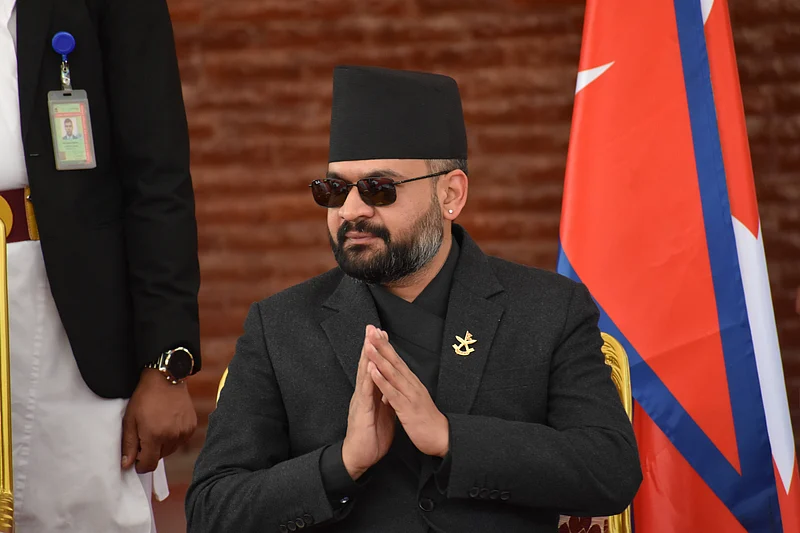
The Balen Shah youth revolution Nepal story reflects a major shift in the country’s political landscape, where a younger generation is challenging long-standing systems and leadership patterns. Emerging from widespread public frustration, Balendra Shah has become a symbol of change, particularly for young citizens seeking accountability and reform.
Nepal’s political environment, once dominated by familiar leaders and repeated cycles of governance, is now witnessing a transformation fueled by youth participation and new expectations.
Nepal’s Political Background Before the Shift
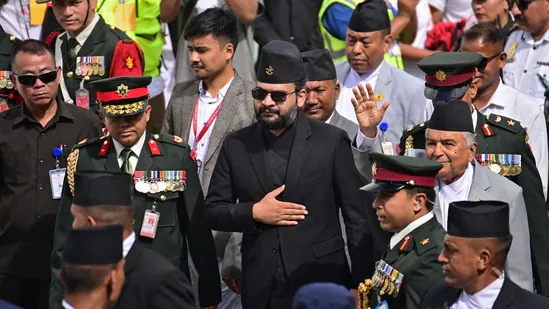
For decades, Nepal’s political system has been shaped by recurring leadership and limited structural reform.
Legacy of Repeated Leadership Cycles
Since the return of multiparty democracy in 1990 and the abolition of the monarchy in 2008, political power has largely rotated among a few established figures. This pattern led to:
- Limited innovation in governance
- Repeated policy approaches with minimal long-term impact
- Growing public dissatisfaction
The Balen Shah youth revolution Nepal movement gained momentum in response to these recurring challenges.
Economic Pressures and Youth Frustration
Nepal’s economy has faced persistent difficulties, particularly affecting younger generations. Key concerns include:
- High youth unemployment rates
- Large-scale migration for overseas work
- Heavy reliance on remittances
By 2025, remittances accounted for a significant portion of the country’s economy, highlighting structural weaknesses in domestic job creation.
The Rise of Balen Shah
Balendra Shah’s journey into politics represents a departure from traditional leadership pathways.
From Engineering to Public Leadership
Balen Shah was trained as a structural engineer, studying in Nepal and India. His academic background influenced his approach to governance, particularly in:
- System design and efficiency
- Problem-solving through structured planning
- Emphasis on measurable outcomes
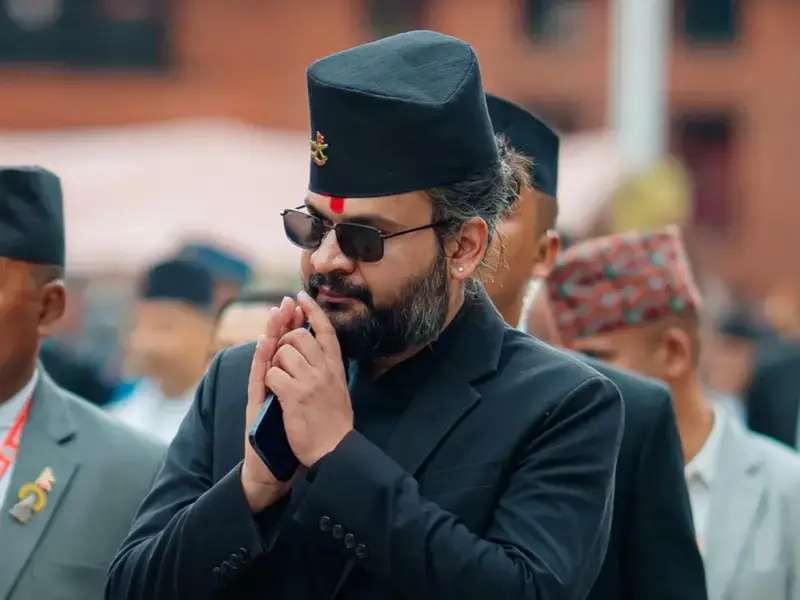
Before entering politics, he also gained recognition as a musician, using his platform to address social issues.
Voice of a New Generation
Through his creative work, Shah highlighted:
- Corruption within institutions
- Economic inequality
- Social and political stagnation
This helped him connect with younger audiences, positioning him as a relatable and credible figure. The Balen Shah youth revolution Nepal narrative is closely tied to this grassroots connection.
Kathmandu Mayorship and Governance Style
Shah’s tenure as mayor of Kathmandu played a key role in building his national reputation.
Focus on Transparency and Accountability
As mayor, he emphasized:
- Open communication with the public
- Transparent decision-making processes
- Efficient use of resources
These measures contributed to increased trust among citizens.
Results-Driven Leadership
His administration focused on practical outcomes rather than political rhetoric. Key priorities included:
- Improving urban infrastructure
- Addressing waste management challenges
- Enhancing service delivery systems
The Balen Shah youth revolution Nepal movement gained credibility through these tangible results.
Youth Uprising and Political Momentum
The broader shift in Nepal’s political environment was driven by collective youth action.
2025 Youth Movement
In 2025, widespread dissatisfaction led to a surge in youth-led activism. This movement was characterized by:
- Protests against corruption
- Calls for accountability and reform
- Increased political participation among young citizens
This environment created the conditions for new leadership to emerge.
Transition to National Leadership
Building on his local success and public support, Shah’s rise to national prominence followed. His leadership became associated with:
- A break from traditional political norms
- Greater emphasis on competence over connections
- A focus on long-term structural reform
The Balen Shah youth revolution Nepal story reflects this transition from local governance to national influence.
Broader Regional Significance
The developments in Nepal have drawn attention beyond its borders, particularly in neighboring countries.
Influence on Youth Across South Asia
Shah’s rise is often viewed as an example of how young leaders can reshape political systems. Key takeaways include:
- The power of grassroots movements
- The importance of transparency in governance
- The potential for non-traditional candidates to succeed
The Balen Shah youth revolution Nepal narrative resonates with youth in countries facing similar political challenges.
Lessons for Democratic Systems
The situation highlights broader themes relevant to democratic governance:
- The need for accountability in leadership
- The role of public participation in driving change
- The impact of generational shifts on political priorities
These lessons extend beyond Nepal, offering insights into evolving political dynamics globally.
Challenges Ahead
Despite the momentum, several challenges remain for sustaining this transformation.
Managing Public Expectations
As a symbol of change, Shah faces high expectations from citizens. Key challenges include:
- Delivering consistent results at a national level
- Balancing reform with political realities
- Maintaining public trust over time
The Balen Shah youth revolution Nepal movement will depend on how these challenges are addressed.
Institutional and Structural Barriers
Long-standing systems can be difficult to reform. Potential obstacles include:
- Bureaucratic resistance
- Political opposition from established groups
- Resource limitations
Overcoming these barriers will be critical for long-term success.
Future Outlook for Nepal’s Political Landscape
Nepal’s political future is likely to be shaped by continued youth engagement and evolving expectations.
Sustaining Momentum
For the movement to continue, factors such as:
- Active civic participation
- Transparent governance practices
- Inclusive policy development
will play an important role.
Potential Long-Term Impact
If sustained, the Balen Shah youth revolution Nepal trend could lead to:
- Stronger democratic institutions
- Increased accountability in governance
- Greater opportunities for young leaders
This transformation could redefine Nepal’s political identity in the years ahead.
FAQ Section
Who is Balen Shah and why is he important in Nepal?
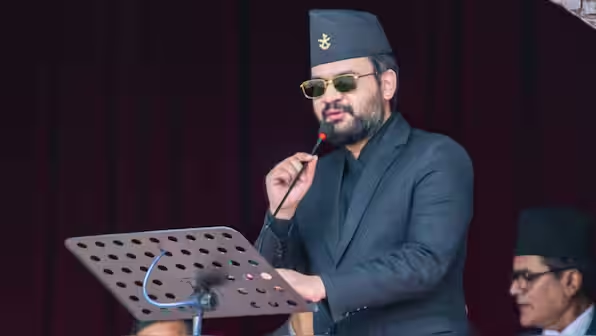
Balen Shah is a young political leader who rose to prominence through his role as Kathmandu’s mayor and became a symbol of youth-driven political change.
What is the Balen Shah youth revolution in Nepal?
It refers to the growing movement led by young people demanding transparency, accountability, and new leadership in Nepal’s political system.
How did youth movements influence Nepal’s politics in 2025?
Youth-led protests and activism created momentum for change, challenging traditional leadership and supporting new candidates like Balen Shah.
What challenges does Balen Shah face moving forward?
He faces challenges such as managing public expectations, overcoming institutional resistance, and delivering long-term reforms.
Conclusion
The Balen Shah youth revolution Nepal story highlights a significant shift in how political change can emerge from public demand and generational transformation. While challenges remain, the movement reflects a broader desire for accountability and effective governance. Its long-term impact will depend on sustained engagement and the ability to translate momentum into lasting reform.
Click here for more news