 0
0
 0
0
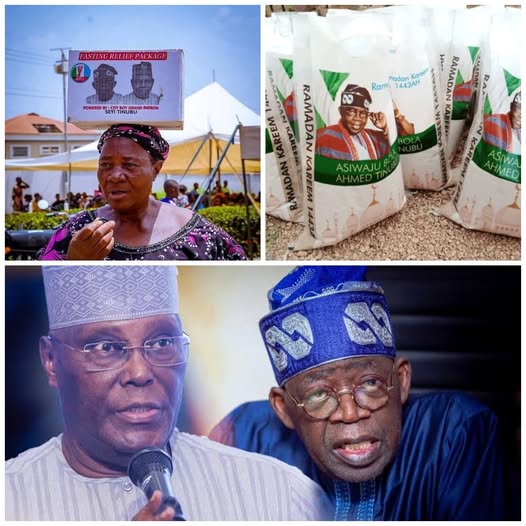
The Atiku blasts Tinubu rice distribution politics debate has intensified following strong remarks from former Vice President Atiku Abubakar regarding the federal government’s recent food aid initiatives. The criticism centers on claims that the distribution of rice and palliatives is being used as a political strategy rather than addressing deeper economic challenges affecting citizens.

Atiku’s Reaction to Government Food Distribution
Atiku Abubakar expressed concern over what he described as the misuse of food assistance programs. According to his statement, the recent distribution of rice to Northern states reflects a broader issue of governance and economic management.
He argued that presenting food aid through public ceremonies creates the impression of relief efforts, while underlying economic difficulties remain unresolved. The Atiku blasts Tinubu rice distribution politics narrative highlights concerns about the long-term effectiveness of such interventions.
Public Display of Palliatives
The distribution event reportedly involved:
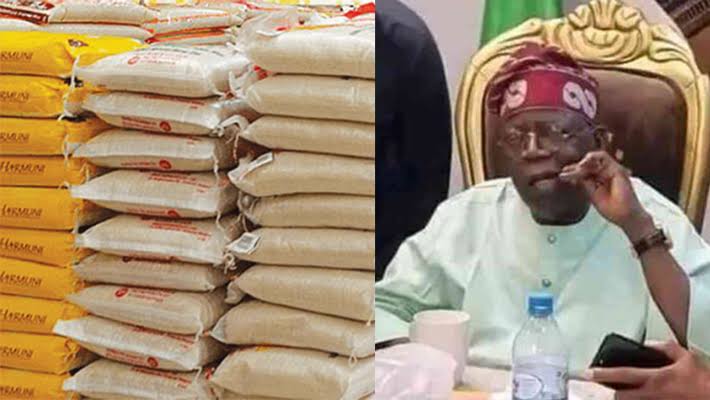
- 100 trucks of rice
- Financial support estimated at N1.2 billion
- Public ceremonies led by senior government figures
Atiku described these actions as symbolic rather than impactful, emphasizing that citizens require sustainable solutions instead of temporary relief.
Concerns About Dignity and Welfare
A key part of the criticism focuses on the dignity of citizens. Atiku stated that large-scale food handouts risk portraying Nigerians as dependent on government charity, rather than beneficiaries of sound economic policies.
He maintained that the Atiku blasts Tinubu rice distribution politics issue reflects a deeper dissatisfaction with how welfare programs are being implemented.
Economic Hardship and Rising Inflation
Atiku linked the food distribution approach to broader economic challenges, particularly inflation and the rising cost of living. He noted that many households are struggling to afford basic necessities, including food.
Impact of Inflation on Households
Several economic factors have contributed to the situation:
- Rising food prices across major markets
- Declining purchasing power
- Increased cost of transportation and goods
These conditions have made it difficult for families to maintain stable nutrition, leading to greater reliance on government support programs.
“Normalization of Poverty” Concerns
Atiku raised concerns about what he termed the normalization of poverty. He argued that repeated distribution of food aid without addressing root causes may reinforce long-term dependency.
The Atiku blasts Tinubu rice distribution politics discussion underscores fears that economic hardship is becoming more widespread and persistent.
Agricultural Challenges in Northern Nigeria
Another major issue highlighted is the decline in agricultural productivity, particularly in Northern Nigeria. Atiku pointed out that insecurity has significantly affected farming activities since 2023.
Effects of Insecurity on Farming
Key challenges faced by farmers include:
- Displacement from farmlands
- Reduced crop production
- Limited access to rural areas
These factors have contributed to lower food output, which in turn affects national food supply and prices.
Need for Agricultural Reforms
Atiku emphasized that addressing insecurity and supporting farmers should be a priority. He suggested that improving safety in agricultural regions would help restore productivity and reduce the need for emergency food distribution.
The Atiku blasts Tinubu rice distribution politics narrative continues to highlight the importance of long-term agricultural policies over short-term interventions.
Allegations of Politicizing Hunger
Atiku also alleged that the use of food distribution for political purposes has evolved over time. He referenced earlier instances of similar activities, suggesting a pattern in how food aid is presented to the public.
Evolution of Food Aid Strategy
According to his remarks, the approach has included:
- Public distribution events tied to political figures
- Timing of aid during significant periods
- Expansion of such initiatives into broader programs
He argued that this trend risks shifting focus away from structural reforms.
Debate on Policy Priorities
The Atiku blasts Tinubu rice distribution politics debate has sparked wider discussions about governance priorities. While food aid can provide immediate relief, critics argue that it should not replace comprehensive economic strategies.
Calls for Sustainable Solutions
Atiku concluded his remarks by calling for more sustainable approaches to addressing poverty and food insecurity. He stressed that long-term development should take precedence over temporary relief measures.
Key Recommendations Highlighted
He suggested several areas of focus:
- Strengthening agricultural production
- Improving security in farming regions
- Implementing economic reforms to reduce inflation
These measures, according to Atiku, would provide more lasting benefits for citizens.
Balancing Relief and Development
The Atiku blasts Tinubu rice distribution politics issue reflects a broader policy question: how to balance immediate assistance with long-term development goals. While palliatives can help in times of crisis, sustainable growth requires addressing systemic challenges.
Broader Political and Economic Context
The debate comes amid ongoing economic reforms and policy changes in Nigeria. Government initiatives aimed at stabilizing the economy have faced mixed reactions, with some stakeholders calling for adjustments.

Public Response and Reactions
Reactions to the criticism have varied:
- Some agree that structural reforms are needed
- Others view palliative programs as necessary short-term measures
- Analysts highlight the importance of combining both approaches
The Atiku blasts Tinubu rice distribution politics discussion continues to generate attention as economic conditions evolve.
FAQ Section
What did Atiku say about Tinubu’s rice distribution policy?
Atiku criticized the policy, describing it as a political strategy that focuses on public displays rather than addressing underlying economic issues.
Why is rice distribution controversial in Nigeria?
The controversy stems from concerns that food aid is being used for political purposes instead of implementing sustainable solutions to poverty and food insecurity.
How does inflation affect food security in Nigeria?
Rising inflation increases the cost of food and reduces purchasing power, making it harder for households to afford basic nutrition.
What solutions were suggested to address food insecurity?
Proposed solutions include improving agricultural security, boosting farm productivity, and implementing broader economic reforms to stabilize prices.
Conclusion
The Atiku blasts Tinubu rice distribution politics debate highlights ongoing concerns about economic management and welfare strategies in Nigeria. While food distribution programs may offer temporary relief, the discussion underscores the need for long-term solutions that address the root causes of poverty, inflation, and food insecurity. A balanced approach combining immediate support with sustainable development remains central to resolving these challenges.
Click here for more news