 0
0
 0
0
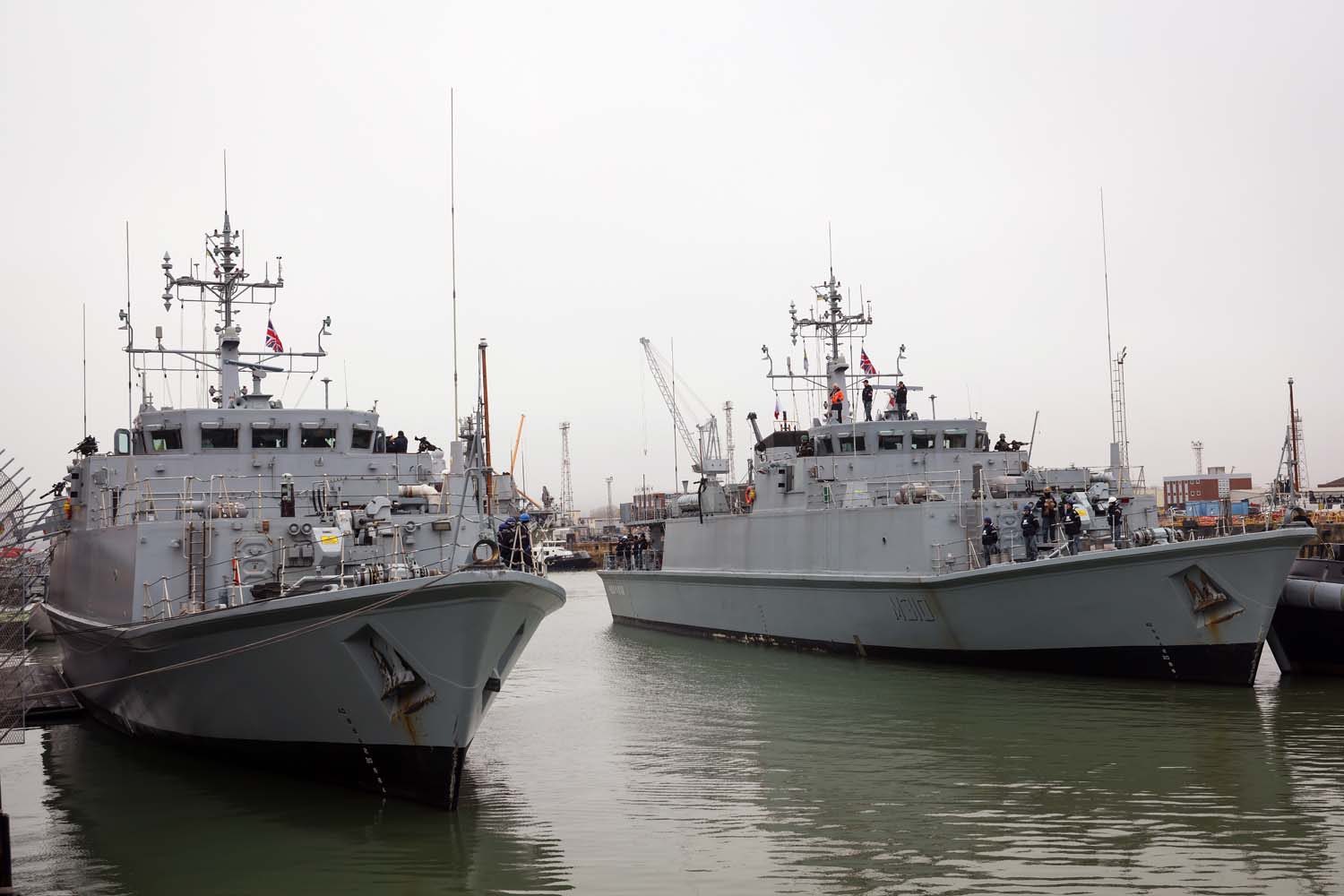
The Ukrainian Navy mine clearing Strait of Hormuz plan is gaining global attention as Ukraine signals its readiness to participate in a potential maritime security operation in the Middle East. According to official statements, the navy could deploy two mine countermeasure vessels currently stationed in the United Kingdom if invited to join the mission.
This development highlights Ukraine’s growing role in international naval cooperation, particularly in specialized operations such as mine clearance.
Ukrainian Navy Prepared for Mine-Clearing Operations
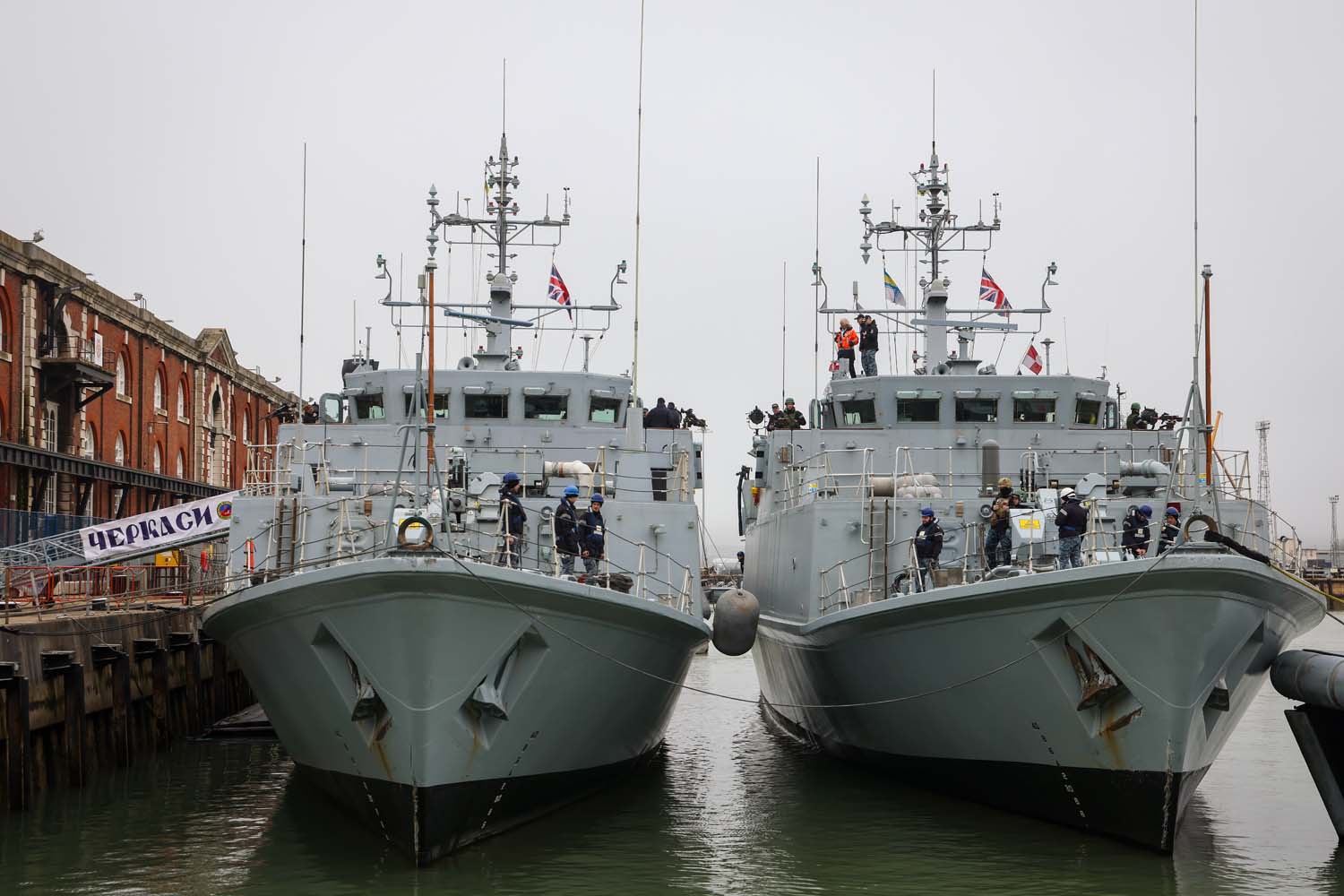
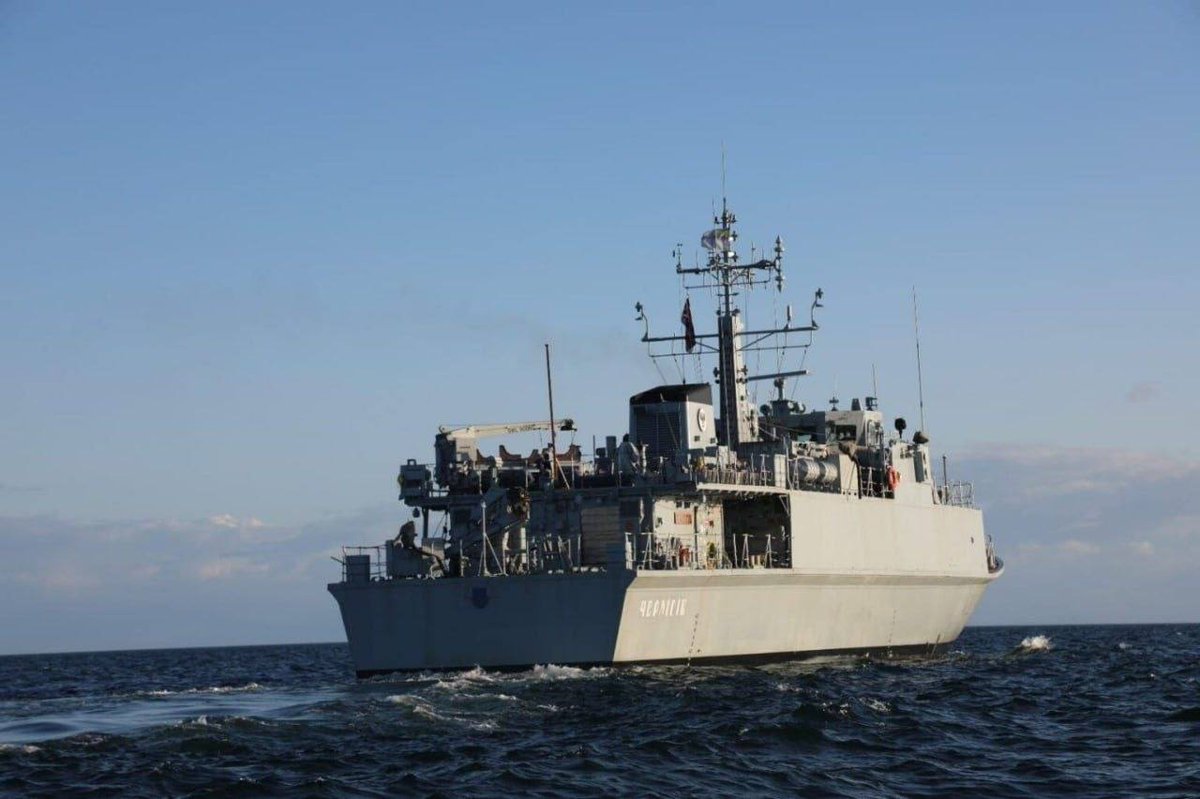
The Ukrainian Navy mine clearing Strait of Hormuz effort centers on two ships from its mine countermeasures division. These vessels are currently based in Portsmouth, United Kingdom, where they have undergone training and operational readiness assessments.
Readiness of Ships and Crews
Officials have confirmed that:
- Two ships are fully prepared for deployment
- Crews have completed professional training
- Equipment meets operational standards
- NATO interoperability assessments have been passed
This level of readiness positions Ukraine as a potential contributor to multinational maritime operations.
Conditions for Participation
Ukraine has stated that its involvement depends on:
- Receiving a formal invitation
- Coordination with leading countries or coalitions
- Compliance with international protocols
Strategic Importance of the Strait of Hormuz
The Ukrainian Navy mine clearing Strait of Hormuz plan is significant due to the strategic value of the region.
Why the Strait Matters
The Strait of Hormuz is one of the world’s most critical maritime routes. It serves as a major channel for global energy transportation.
Key Facts
- Connects the Persian Gulf to global shipping routes
- Handles a significant portion of global oil shipments
- Vital for international trade stability
Risks of Naval Mines in the Region
Naval mines can:
- Disrupt shipping traffic
- Increase insurance and transportation costs
- Pose safety risks to commercial vessels
Mine-clearing operations are therefore essential for restoring safe navigation.
Ukrainian Mine Countermeasure Fleet in the UK
The Ukrainian Navy mine clearing Strait of Hormuz proposal involves ships currently stationed outside Ukraine.
Types of Minehunter Vessels
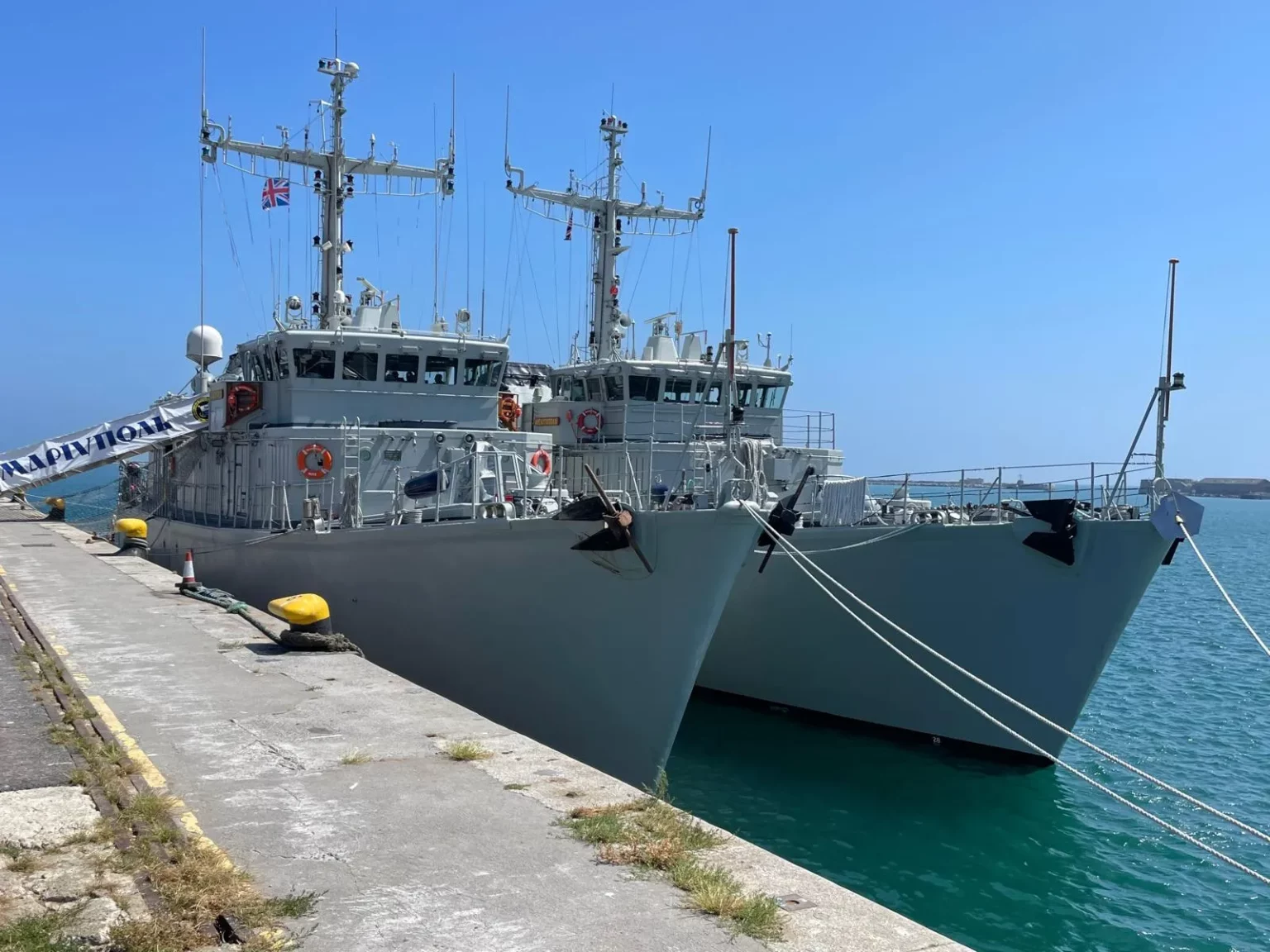
Ukraine’s fleet in the United Kingdom includes:
- Two Sandown-class minehunters
- Two Alkmaar (Tripartite)-class vessels
Named Ships
- Chernihiv
- Cherkasy
- Mariupol
- Melitopol
Upcoming Fleet Expansion
Another Alkmaar-class vessel is expected to join the fleet:
- Scheduled transfer: June 2026
- Future name: Henichesk
This expansion will strengthen Ukraine’s mine-clearing capabilities.
Why Ukrainian Ships Remain in the United Kingdom
The Ukrainian Navy mine clearing Strait of Hormuz plan is partly shaped by geopolitical constraints affecting fleet movement.
Impact of the Montreux Convention
Turkey has invoked provisions under the Montreux Convention, which regulates naval access to key waterways.
Key Restrictions
- Limits passage of military vessels during wartime
- Applies to the Bosporus and Dardanelles straits
- Prevents certain ships from entering the Black Sea
Effect on Ukrainian Naval Operations
Because of these restrictions:
- Ukrainian minehunters cannot return to Black Sea bases
- Ships remain stationed in the United Kingdom
- Deployment options are limited to international missions
Potential Timing of the Operation
The Ukrainian Navy mine clearing Strait of Hormuz mission is not immediate and depends on broader geopolitical developments.
Conditions Affecting Deployment
Reports suggest that:
- Operations may begin after regional hostilities subside
- Coordination with international partners is required
- Security conditions must stabilize
Role in Post-Conflict Recovery
Mine-clearing efforts would likely:
- Restore safe maritime navigation
- Support global trade routes
- Reduce risks to commercial shipping
Ukraine’s Growing Role in International Naval Cooperation
The Ukrainian Navy mine clearing Strait of Hormuz readiness reflects a broader trend of Ukraine participating in multinational defense efforts.
Strengthening International Partnerships
Ukraine’s involvement demonstrates:
- Alignment with NATO standards
- Contribution to global security initiatives
- Increased operational capability
Focus on Specialized Naval Capabilities
Mine countermeasure operations require:
- Advanced detection technology
- Skilled crews
- Precise coordination
Ukraine’s readiness in this area highlights its technical expertise.
Operational Protocols and Coordination
If deployed, Ukraine’s role would follow strict international procedures.
Key Operational Considerations
- Coordination with mission leadership
- Adherence to maritime safety protocols
- Integration with allied naval forces
Importance of Interoperability
The ships’ NATO certification ensures they can:
- Operate alongside allied fleets
- Share data and communication systems
- Maintain operational efficiency
FAQ Section
What is the Ukrainian Navy planning in the Strait of Hormuz?
The navy is prepared to assist in mine-clearing operations if formally invited.
How many ships could Ukraine deploy?
Two mine countermeasure vessels are currently ready for deployment.
Why are Ukrainian ships based in the UK?
They remain there due to restrictions under the Montreux Convention, limiting access to the Black Sea.
When could the operation begin?
It is expected to take place after regional hostilities decrease and conditions stabilize.
Conclusion
The Ukrainian Navy mine clearing Strait of Hormuz proposal highlights Ukraine’s readiness to contribute to global maritime security. With trained crews, NATO-certified vessels, and international coordination, the country is positioned to play a role in ensuring safe navigation in one of the world’s most critical waterways. The timing and execution of such a mission will depend on geopolitical developments and formal agreements among participating nations.
Click here for more news