
 0
0
 0
0
climate-smart building code Nigeria, The Federal Government has confirmed that the ongoing review of the National Building Code will introduce major changes aimed at reducing environmental impact in the construction sector.
These changes are centered on:
- Climate-smart construction standards
- Energy efficiency requirements
- Disaster-risk reduction measures
- Sustainable building materials usage

Focus on Sustainable Construction Practices
Under the proposed framework, construction practices will be restructured to align with global climate expectations.
Key expected improvements include:
- Reduced carbon emissions from buildings
- Better insulation and energy use efficiency
- Stronger building durability standards
- Integration of modern environmental technologies
Why the Climate-Smart Building Code Matters
Nigeria’s urban growth has increased pressure on infrastructure and housing systems. The climate-smart building code Nigeria plan is designed to address these pressures through long-term environmental planning.
It also aims to ensure that:
- Buildings are safer in extreme weather conditions
- Urban infrastructure is more resilient
- Construction materials meet sustainability standards
Housing Ministry Explains National Building Code Review
The Minister of Housing and Urban Development explained that the revised code is part of broader reforms to modernize Nigeria’s housing sector.
The ministry emphasized that the review is not only technical but also environmental, focusing on aligning construction policies with global climate commitments.
Climate-Smart Building Code Nigeria and Policy Direction
The policy is tied to several international and national frameworks, including:
- Paris Agreement commitments
- Sustainable Development Goals (SDGs)
- Nationally Determined Contributions (NDCs)
- New Urban Agenda principles
These frameworks guide Nigeria’s push toward low-carbon development and sustainable urban growth.
Role of Urban Planning in the New Code
Urban planning is expected to play a major role in implementation.
Planned improvements include:
- Better land-use regulation
- Improved settlement planning systems
- Updated physical development standards
Climate Resilience and Energy Efficiency in Construction
A major highlight of the climate-smart building code Nigeria proposal is its focus on reducing energy consumption and improving building resilience.
Energy Efficiency Requirements
Buildings under the new code are expected to adopt:
- Energy-saving designs
- Efficient lighting and cooling systems
- Reduced dependence on non-renewable energy sources
Disaster-Risk Reduction Measures
The framework also introduces stronger safety measures to address natural and environmental risks.
These include:
- Improved structural safety standards
- Climate-adaptive building designs
- Better drainage and flood control considerations
FG Pushes for Low-Carbon Urban Development
The Federal Government says Nigeria’s fast-growing cities require urgent planning reforms to manage environmental impact and infrastructure pressure.
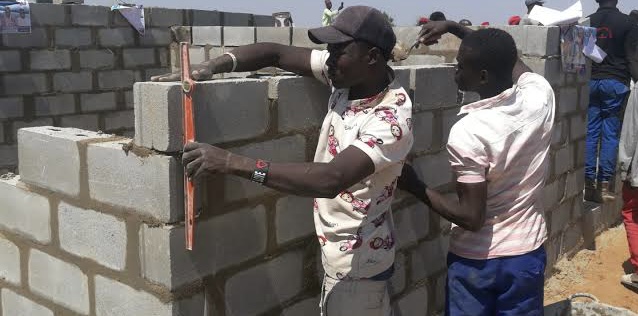
Climate-Smart Building Code Nigeria and Urban Growth
Rapid urbanisation has made sustainable planning a priority. The new code is expected to support:
- Cleaner urban environments
- More organized city expansion
- Reduced environmental degradation
Housing Sector Transformation Strategy
The housing ministry is also advancing other related reforms, including:
- National Urban Development Policy review
- Rural settlement planning policy development
- National physical planning standards framework
Renewed Hope Housing and Climate-Responsive Projects
The Federal Government also linked the new building standards to ongoing housing initiatives under national development programmes.
Climate-Responsive Housing Projects
These projects aim to:
- Improve housing affordability
- Ensure environmental sustainability
- Strengthen infrastructure durability
Integration with National Housing Goals
The climate-smart building code Nigeria policy aligns with broader housing goals such as:
- Expanding access to decent housing
- Promoting sustainable construction methods
- Supporting long-term urban resilience
Expert-Driven Policy Implementation Approach
The ministry noted that successful implementation will require coordination across multiple sectors including construction professionals, urban planners, and environmental agencies.
Key Implementation Focus Areas
- Enforcement of updated building regulations
- Training for construction professionals
- Monitoring and compliance systems
- Public awareness on sustainable building practices
FAQ
What is the climate-smart building code Nigeria policy about?
It is a proposed update to Nigeria’s building regulations focused on sustainability, energy efficiency, and climate resilience in construction.
Why is the Federal Government introducing a new building code?
The aim is to reduce environmental impact, improve building safety, and align construction practices with global climate goals.

How will the climate-smart building code affect construction in Nigeria?
It will introduce new standards for materials, design, energy use, and disaster resilience in buildings nationwide.
What benefits will the new building code provide?
It is expected to improve safety, reduce energy consumption, and support environmentally sustainable urban development.
Conclusion
The introduction of the climate-smart building code Nigeria marks a major step toward modernizing the country’s construction sector. By prioritizing sustainability, energy efficiency, and resilience, the policy aims to align Nigeria’s urban development with global environmental standards while addressing local infrastructure challenges.
Click here for more news