 0
0
 0
0
The Syria joins G7 finance meeting development has attracted international attention after Syrian officials participated in closed-door discussions with G7 finance ministers and central bank governors in Paris. The move is being viewed as another sign of Syria’s gradual return to international diplomatic and financial engagement following major political changes in the country.
The meeting took place during a two-day summit involving leading global financial officials. Discussions focused on global economic imbalances, trade tensions, and the impact of ongoing conflicts in the Middle East and Ukraine.

Syria Attends Closed-Door G7 Finance Session
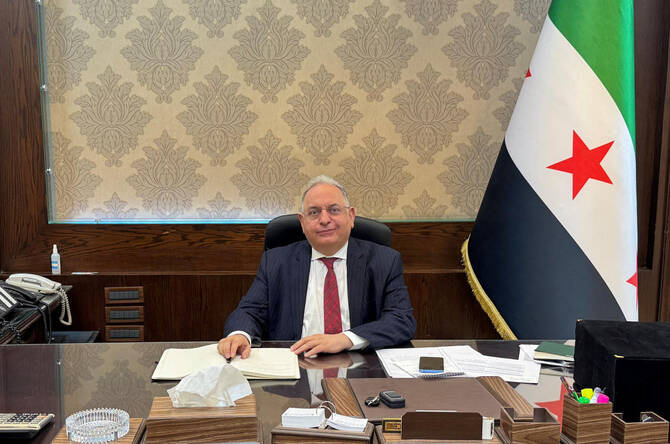
According to reports from people familiar with the discussions, Syrian Finance Minister Yisr Barnieh attended the private session held alongside the broader G7 finance meeting in Paris.
The participation marks a significant moment for Syria, which has remained largely isolated from many international financial institutions and Western-led diplomatic forums for years.
Focus on Economic Recovery
Officials involved in the discussions reportedly centered talks on Syria’s long-term economic recovery and its possible reintegration into the global financial system.
The country has faced severe economic difficulties after years of conflict, sanctions, infrastructure destruction, and declining foreign investment.
Reintegration Into Global Finance
The Syria joins G7 finance meeting discussions also highlighted efforts aimed at reconnecting Syria with international banking and financial networks.
Key topics reportedly included:
- Financial stabilization
- International lending access
- Economic reconstruction
- Currency challenges
- Development assistance
Observers say the talks may signal cautious international interest in Syria’s economic normalization.
Symbolic Diplomatic Shift
Analysts view Syria’s invitation to participate in the session as a symbolic diplomatic shift following the political changes that occurred after the removal of former President Bashar al-Assad less than two years ago.
Although Syria has not fully regained broad international acceptance, participation in high-level economic discussions represents a notable change from previous years of diplomatic isolation.
G7 Finance Meeting Dominated by Global Economic Concerns
The G7 finance summit in Paris brought together finance ministers and central bank governors from some of the world’s largest economies.
The gathering focused heavily on international economic uncertainty and geopolitical instability.
Global Trade Tensions Remain a Major Issue
One of the key subjects discussed during the summit involved rising trade tensions affecting global markets.
Officials examined:
- Supply chain disruptions
- Inflation pressures
- Tariff disputes
- Currency fluctuations
- Slowing economic growth in several regions
Economic policymakers continue searching for ways to stabilize markets amid persistent uncertainty.
Concerns Over Economic Imbalances
The meeting also addressed global economic imbalances between advanced and developing economies.
Finance officials discussed how debt burdens, uneven growth, and high borrowing costs are affecting international financial stability.
Several countries have called for stronger cooperation between major economies to manage these challenges.
Impact of Middle East and Ukraine Conflicts
The ongoing conflicts in the Middle East and Ukraine were also major discussion points during the summit.
Officials reviewed:
- Energy market disruptions
- Refugee-related economic pressures
- Humanitarian funding needs
- Security-related financial risks
The conflicts continue to influence global inflation, trade routes, and investor confidence.
Syria’s Economic Situation After Years of Conflict
Syria’s economy has faced major difficulties since the outbreak of civil conflict more than a decade ago.
Large sections of infrastructure were damaged during the war, while sanctions and political instability further weakened economic activity.
Currency and Inflation Challenges
The Syrian currency has experienced repeated instability in recent years, contributing to rising inflation and declining purchasing power for many citizens.
Economic experts say restoring confidence in the banking sector remains one of Syria’s biggest financial challenges.
Reconstruction Needs Remain Massive
Rebuilding damaged infrastructure continues to require significant international funding and technical support.
Areas needing reconstruction include:
- Roads and transportation systems
- Hospitals and healthcare facilities
- Schools and universities
- Energy infrastructure
- Water systems
International organizations estimate that rebuilding costs could reach hundreds of billions of dollars over time.
International Sanctions Still Affect Recovery
Despite signs of renewed engagement, Syria still faces sanctions from several Western countries.
These restrictions continue to affect:
- International banking transactions
- Foreign investment
- Access to global financial markets
- Trade opportunities
Some analysts believe future economic recovery will depend partly on whether sanctions policies evolve in the coming years.
Political Changes Reshape Syria’s International Standing
The Syria joins G7 finance meeting development comes after major political changes reshaped the country’s international position.
The removal of Bashar al-Assad created a new phase in regional diplomacy and international engagement with Syrian authorities.
Regional Relations Have Gradually Improved
Several Middle Eastern countries have recently increased diplomatic contact with Syria.
Regional governments have argued that engagement may help encourage stability, reconstruction, and economic recovery.
Western Governments Remain Cautious
While some diplomatic engagement has resumed, many Western governments continue to approach Syria cautiously.
Human rights concerns, political reforms, and accountability issues remain part of ongoing international discussions regarding Syria’s future.

Economic Diplomacy Becoming More Important
Economic diplomacy is increasingly playing a major role in Syria’s efforts to improve international relations.
Participation in meetings involving international financial institutions and major economies may help Syria seek investment opportunities and technical cooperation.
Paris Meeting Highlights Broader Global Economic Uncertainty
The G7 finance ministers’ summit in Paris reflected wider concerns about the state of the global economy in 2026.
Governments worldwide continue to face pressure from inflation, geopolitical tensions, and slower economic growth.
Central Banks Monitor Inflation Risks
Central bank governors attending the summit discussed the ongoing challenge of controlling inflation without causing major economic slowdowns.
Interest rate policies remain a key issue in many advanced economies.
Energy Markets Continue Facing Pressure
Global energy markets also remain sensitive to geopolitical instability and supply concerns.
The Middle East conflict and the war in Ukraine continue to influence oil and gas prices across international markets.
International Cooperation Remains a Priority
G7 officials emphasized the importance of cooperation between major economies to manage global financial risks.
Topics discussed included:
- Debt sustainability
- Financial regulation
- Trade coordination
- Economic resilience
- Support for developing economies

Syria’s Participation Could Influence Future Engagement
Observers believe Syria’s attendance at the Paris discussions could shape future international engagement with the country.
Although the meeting was held behind closed doors, the symbolism of Syria joining a high-level financial forum is considered significant by many analysts.
Future developments may depend on:
- Regional political stability
- International diplomatic relations
- Economic reform efforts
- Humanitarian conditions
- Global sanctions policies
FAQ
Why did Syria attend the G7 finance meeting in Paris?
Syria participated in a closed-door session focused on economic recovery and possible reintegration into the global financial system.
Who represented Syria at the Paris finance talks?
Syrian Finance Minister Yisr Barnieh was expected to attend the discussions with G7 finance ministers and central bank governors.
What were the main topics at the G7 finance summit?
The summit focused on global economic imbalances, trade tensions, inflation concerns, and the economic effects of conflicts in the Middle East and Ukraine.
Does Syria’s participation mean full international normalization?
No. Syria’s participation is viewed as a sign of growing engagement, but many countries still maintain sanctions and cautious diplomatic policies toward the country.
Syria’s participation in the Paris finance discussions highlights changing dynamics in international diplomacy and economic policy. While the country continues facing major economic and political challenges, involvement in high-level financial talks may signal gradual shifts in how global institutions and governments approach Syria’s future role in the international system.
Click here for more news