 0
0
 0
0
The Russia Airbus sanctions aviation case has drawn attention after reports confirmed that another Airbus A320 aircraft has arrived in Russia despite ongoing Western sanctions targeting the country’s aviation sector. The aircraft was reportedly registered under a Russian operator after passing through multiple countries and ownership changes before arriving in Moscow.
The development highlights continuing concerns over how sanctioned aircraft and aviation equipment may still be entering Russia through indirect or complex transfer routes.
Airbus A320 Arrives in Russia After Multi-Country Transfer
Reports indicate that an Airbus A320-232 aircraft arrived at Moscow’s Vnukovo Airport on May 15 before being linked to Russian airline Severo-Zapad. The aircraft now reportedly carries the registration RA-73899.
The Russia Airbus sanctions aviation situation reflects how aircraft transfers have continued despite restrictions imposed after Russia’s invasion of Ukraine in 2022.
Aircraft Registration and Operator Details
The aircraft has reportedly undergone several changes in registration and ownership before reaching Russia.
Key details include:
- Aircraft type: Airbus A320-232
- Serial number: 4934
- Current registration: RA-73899
- Reported operator: Severo-Zapad airline
Previous Ownership History
Before arriving in Russia, the aircraft reportedly passed through multiple operators and leasing arrangements.
Its ownership timeline includes:
- Originally operated by Etihad Airways
- Later transferred to GA Telesis (U.S.-based leasing company)
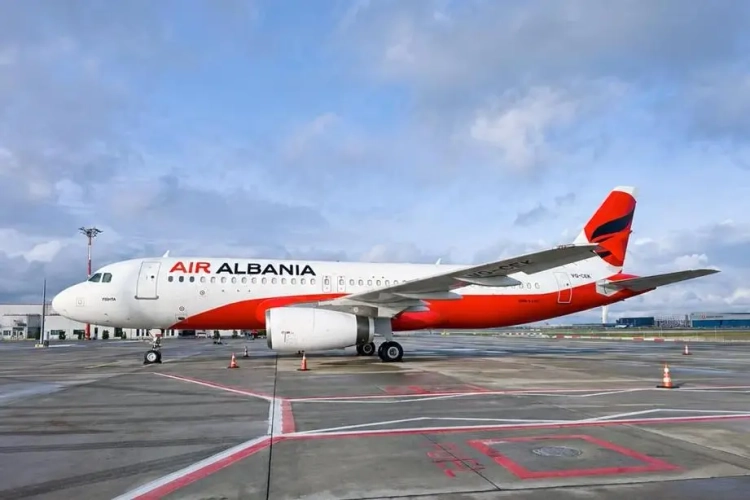
- Leased to Air Albania
- Stored in Istanbul in 2025
- Transited through Oman before arriving in Russia in 2026
This complex route highlights the multi-jurisdictional movement of aircraft in global leasing markets.
Aviation Sanctions and Restrictions on Russia
The Russia Airbus sanctions aviation case is set against a backdrop of strict international sanctions imposed on Russia’s aviation sector.
These measures were introduced following Russia’s full-scale invasion of Ukraine in 2022.
Impact of Western Aviation Sanctions
Sanctions have significantly restricted Russia’s access to:
- New Airbus and Boeing aircraft
- Aircraft leasing agreements
- Spare parts and maintenance services
- Technical aviation support
These restrictions have forced major changes in Russia’s civil aviation operations.
Dependence on Foreign Aircraft
Despite efforts to expand domestic aircraft production, Russia continues to rely heavily on foreign-built planes.
Key points include:
- Airbus and Boeing aircraft dominate domestic fleets
- Limited availability of certified replacement aircraft
- Delays in local aircraft programs such as SSJ and MC-21
- Continued need for imported spare parts
How the Aircraft Reached Russia Through Multiple Channels
The Russia Airbus sanctions aviation development highlights the complex movement of aircraft through international leasing and resale networks.
Multi-Country Transfer Route
The aircraft reportedly moved through several jurisdictions before arriving in Russia.
Its journey included:
- Initial operation under Etihad Airways
- Transfer to a U.S. leasing company
- Lease to Air Albania
- Storage in Turkey
- Transit through Oman
- Arrival in Moscow
Changes in Registration and Ownership
Before entering Russia, the aircraft changed registration multiple times, reflecting standard practices in aircraft leasing markets.
However, such changes can also complicate tracking ownership and regulatory oversight.
Role of Leasing Companies in Aircraft Movement
Leasing companies play a major role in global aviation, but the Russia Airbus sanctions aviation case raises questions about compliance under sanctions regimes.
GA Telesis and Leasing Background
GA Telesis, a U.S.-based aviation parts and leasing company, previously operated aircraft leasing arrangements involving Russian airlines.
Reported developments include:
- Leasing of Airbus aircraft and engines to Russian carriers before sanctions
- Legal disputes following aircraft retention in Russia
- Settlements involving compensation through insurance channels
Compliance Challenges After Sanctions
After sanctions were imposed, leasing companies faced new risks and regulatory challenges.
These included:
- Difficulty recovering aircraft already in Russia
- Increased scrutiny of buyers and intermediaries
- Complex documentation requirements
- Risk of indirect resale through third countries
“Gray Market” Aviation Channels and Concerns
The Russia Airbus sanctions aviation situation reflects broader concerns about unofficial or indirect supply channels.
Possible Evasion Routes
Reports suggest that aircraft and parts may still reach Russia through indirect routes involving third countries.
Commonly discussed transit points include:
- Middle Eastern countries
- Central Asian states
- Storage hubs in neutral jurisdictions
Increased Monitoring by Companies
Some aviation firms have introduced stricter compliance measures, including:
- Verification of end users
- Detailed documentation requests
- Monitoring of suspicious purchase inquiries
- Legal compliance checks
Impact on Russian Civil Aviation Sector
Sanctions have placed significant pressure on Russia’s civil aviation industry, which remains heavily dependent on Western aircraft.
Operational Challenges
Airlines in Russia face multiple challenges, including:
- Maintenance shortages
- Limited access to certified spare parts
- Reduced fleet modernization options
- Increased operational costs

Domestic Aircraft Development Delays
Russia has promoted domestic aircraft programs, but production timelines have faced delays.
Key developments include:
- Continued reliance on imported aircraft
- Postponements in serial production schedules
- Limited replacement capacity for Airbus and Boeing fleets
International Aviation Market Implications
The Russia Airbus sanctions aviation case also reflects wider implications for the global aviation leasing industry.
Regulatory and Legal Risks
Aircraft lessors and suppliers face increased risks such as:
- Sanctions compliance violations
- Asset recovery disputes
- Legal action across multiple jurisdictions
- Insurance claim complications
Strengthening of Compliance Systems
In response, companies have tightened internal systems to prevent indirect diversion of aircraft and parts.
FAQ
How did the Airbus aircraft reach Russia despite sanctions?
The aircraft reportedly passed through multiple countries and ownership changes before arriving in Moscow under a Russian registration.
Which airline is linked to the aircraft in Russia?
Reports indicate the aircraft is linked to Russian operator Severo-Zapad.
Why are aviation sanctions placed on Russia?
Sanctions were introduced after Russia’s 2022 invasion of Ukraine, restricting access to aircraft, leasing, and aviation parts.
Does Russia still use Airbus and Boeing aircraft?
Yes, Russia continues to rely heavily on Airbus and Boeing aircraft for domestic air travel despite efforts to develop local alternatives.
The Russia Airbus sanctions aviation case highlights the continued complexity of enforcing aviation restrictions in a global leasing system. While sanctions have significantly reduced direct access to Western aircraft, reports suggest that indirect transfer routes may still allow aircraft movement into Russia’s civil aviation sector.
Click here for more news