 0
0
 0
0
The DRC Ebola outbreak 2026 has triggered renewed global concern after health experts warned that authorities may still not have a clear understanding of how far the virus has spread. The outbreak, caused by the Bundibugyo strain of Ebola, has already resulted in dozens of deaths and spread beyond the Democratic Republic of Congo into neighbouring Uganda.
Leading scientists and international health agencies are now raising alarms about delayed detection, weak surveillance systems, and growing uncertainty over the true scale of infections.

Ebola Outbreak in DRC Expands Beyond Borders
The Ebola outbreak in the Democratic Republic of Congo has escalated quickly, with confirmed and suspected cases spreading into nearby countries.
Health officials have expressed concern that cross-border transmission may complicate containment efforts.
Spread Into Uganda Raises Regional Concern
One of the most serious developments is the confirmation that the virus has crossed into Uganda.
Key concerns include:
- Cross-border movement of infected individuals
- Limited screening capacity at border points
- Delays in identifying new cases
- High risk of community transmission
Case Reported in Goma
A suspected case has also been reported in the eastern city of Goma, according to local authorities and armed groups controlling the region.
This development is particularly concerning due to Goma’s high population density and mobility.
Experts Warn of Unclear Infection Numbers
One of the most urgent warnings about the DRC Ebola outbreak 2026 comes from leading medical experts who say the actual number of infections remains uncertain.
Jean-Jacques Muyembe, a prominent Congolese scientist who co-discovered the Ebola virus, warned that health systems may have detected the outbreak too late.
“Nobody Has a Grip on the Numbers”
Experts have expressed concern that surveillance systems are struggling to keep up with the spread.
Key issues include:
- Limited laboratory confirmation capacity
- Delayed case reporting
- Weak contact tracing systems
- Incomplete infection data
Africa CDC Reports Rising Suspected Cases
The Africa Centres for Disease Control and Prevention reported:
- 336 suspected cases
- 88 deaths
However, only a small number of these cases have been confirmed through laboratory testing, increasing uncertainty about the true scale of the outbreak.
WHO Declares International Health Emergency
The World Health Organization (WHO) has declared the outbreak a “public health emergency of international concern,” highlighting the seriousness of the situation.
This classification is used when a disease poses a significant global risk and requires coordinated international response.
Why the WHO Warning Matters
The WHO declaration typically signals:
- Increased global surveillance efforts
- Emergency funding mobilization
- Coordination between affected countries
- Acceleration of response operations
Bundibugyo Strain Raises Additional Concerns
The outbreak is caused by the Bundibugyo strain of Ebola, which complicates response efforts because:
- There is no approved vaccine for this strain
- Treatment options remain limited
- Case management relies heavily on supportive care

Health Systems Under Pressure in Affected Regions
The DRC Ebola outbreak 2026 is unfolding in areas already facing major humanitarian and infrastructure challenges.
Limited Medical Resources
Health officials have warned that response efforts are being hampered by shortages of critical supplies.
Challenges include:
- Lack of protective medical equipment
- Overstretched hospitals and clinics
- Limited testing facilities
- Insufficient isolation units
Emergency Supplies Being Airlifted
The WHO has confirmed that protective equipment stocks in Kinshasa were depleted, requiring urgent shipments from Kenya.
This highlights ongoing vulnerabilities in emergency preparedness systems.
Conflict and Instability Complicate Response
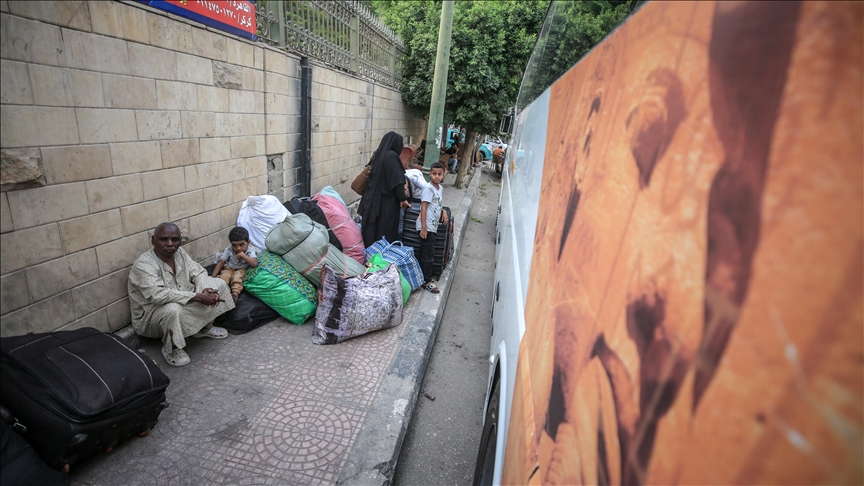
One of the biggest challenges in controlling the outbreak is the presence of ongoing conflict and displacement in eastern DRC.
Impact of Armed Conflict
Security issues are affecting outbreak response efforts in several ways:
- Restricted access for health workers
- Disruption of vaccination and monitoring campaigns
- Population displacement making contact tracing difficult
- Limited trust in health authorities in some areas
Role of Humanitarian Agencies
International organizations are stepping up efforts to contain the outbreak.
Key actors include:
- World Health Organization (WHO)
- Doctors Without Borders (MSF)
- International Rescue Committee (IRC)
- Africa CDC
International Aid and Funding Challenges
Aid organizations have warned that funding gaps are affecting disease surveillance and response capabilities.
Reduced Surveillance Capacity
The International Rescue Committee has highlighted that cuts in donor funding have weakened early detection systems in the region.
This has led to concerns about:
- Slower outbreak detection
- Reduced monitoring of remote areas
- Limited staffing for field operations

Emergency Response Expansion
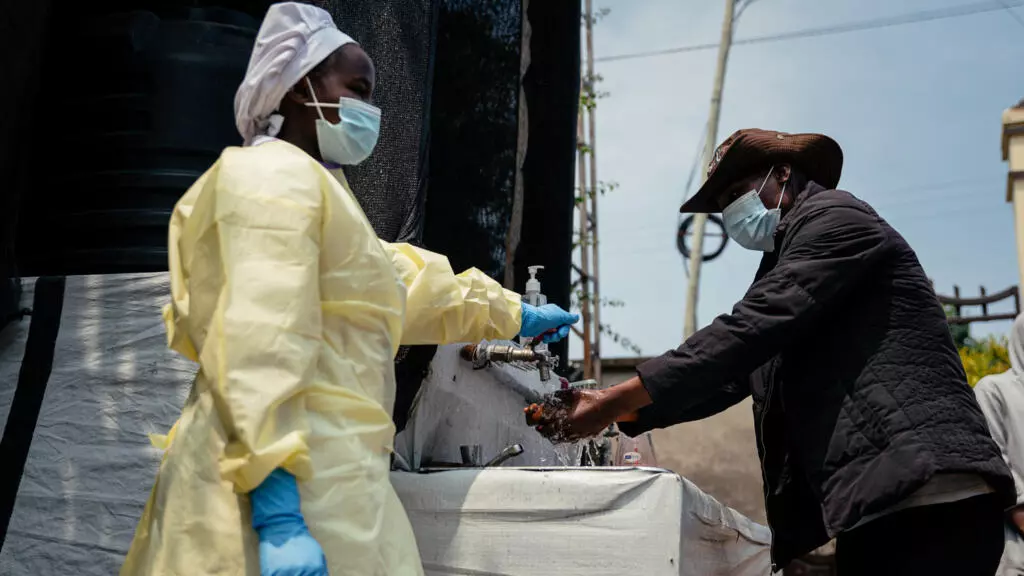
Despite challenges, humanitarian agencies are scaling up emergency responses, including:
- Deployment of medical teams
- Contact tracing operations
- Community awareness campaigns
- Infection prevention training
FAQ
What is happening in the DRC Ebola outbreak 2026?
An Ebola outbreak in the Democratic Republic of Congo has killed dozens and spread to neighbouring Uganda, with experts warning that the full scale of infections is still unclear.
Which Ebola strain is responsible for the outbreak?
The outbreak is caused by the Bundibugyo strain of Ebola, which currently has no approved vaccine.
Why are experts worried about the number of cases?
Health experts say surveillance systems are weak, lab confirmation is limited, and the true number of infections may be higher than reported.
Has the World Health Organization declared an emergency?
Yes, the WHO has declared the outbreak a “public health emergency of international concern” due to its spread and uncertainty.
The DRC Ebola outbreak 2026 continues to develop under challenging conditions, with health officials warning that limited data, regional instability, and weak infrastructure may be slowing containment efforts. International agencies are now racing to improve surveillance, deliver medical supplies, and prevent further cross-border spread.
Click here for more news