 0
0
 0
0
The Iran vows all capabilities against US threats statement has drawn global attention as tensions between Tehran and Washington continue to rise. Iranian officials have made it clear that the country is prepared to deploy every available measure to protect its sovereignty and national interests.
Recent developments highlight growing concerns over diplomatic breakdowns, military activity, and disruptions to key global trade routes. The situation has also sparked renewed discussions about regional stability and the possibility of further escalation.
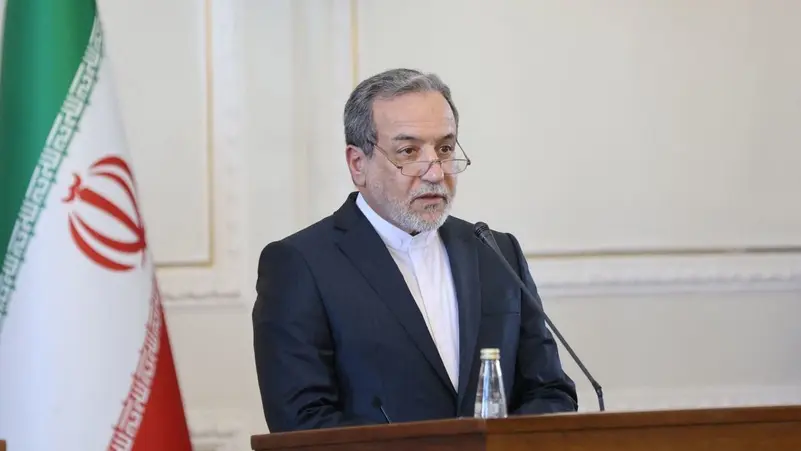
Iran’s Strong Warning to the United States
Iran’s foreign policy leadership has reiterated its stance that it will not back down in the face of increasing pressure. The Iran vows all capabilities against US threats message was conveyed during a high-level diplomatic exchange, signaling a firm response strategy.
Diplomatic Communication With Pakistan
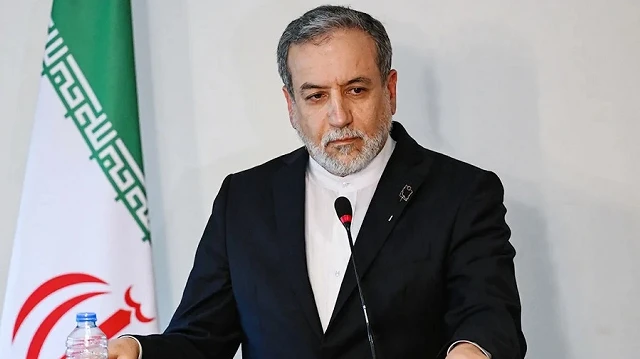
Iranian Foreign Minister Abbas Araghchi communicated directly with Pakistan’s Foreign Minister Ishaq Dar in a recent phone call. During the discussion, Araghchi emphasized that Iran is fully prepared to defend its national security.
The conversation reportedly covered:
- Growing US threats targeting Iranian infrastructure
- Concerns over maritime security in the region
- Diplomatic inconsistencies from Washington
This exchange also highlights Pakistan’s role as a mediator in ongoing tensions.
Claims of Rising Military Pressure
Iranian officials have pointed to several recent actions by the United States as evidence of escalation. These include:
- Alleged threats against Iranian ports and coastlines
- Increased naval activity near Iranian waters
- Strategic pressure on shipping routes
According to Tehran, these moves indicate a shift toward more aggressive tactics rather than diplomatic engagement.
Accusations of Diplomatic Bad Faith
A major aspect of the Iran vows all capabilities against US threats stance is rooted in claims that the United States has not upheld prior agreements.
Alleged Violations of Past Understandings
Iran has accused Washington of breaching previous understandings reached over the past year. Officials referenced incidents during negotiations in 2025 where military actions reportedly occurred alongside diplomatic talks.
These allegations include:
- Military activity during negotiation periods
- Failure to honor ceasefire commitments
- Inconsistent diplomatic messaging
Iran views these actions as undermining trust and weakening the credibility of future negotiations.
Ceasefire Concerns and Mediation Challenges
A Pakistan-mediated ceasefire agreement has also come under scrutiny. Iranian officials claim that recent violations have further strained relations.
This situation complicates diplomatic efforts, as mediators attempt to maintain stability while both sides exchange accusations. The Iran vows all capabilities against US threats position reflects Tehran’s belief that it must remain prepared for any outcome.
Upcoming Negotiations in Islamabad
Despite heightened tensions, diplomatic talks are still expected to take place. These discussions could play a key role in shaping the next phase of relations between Iran and the United States.
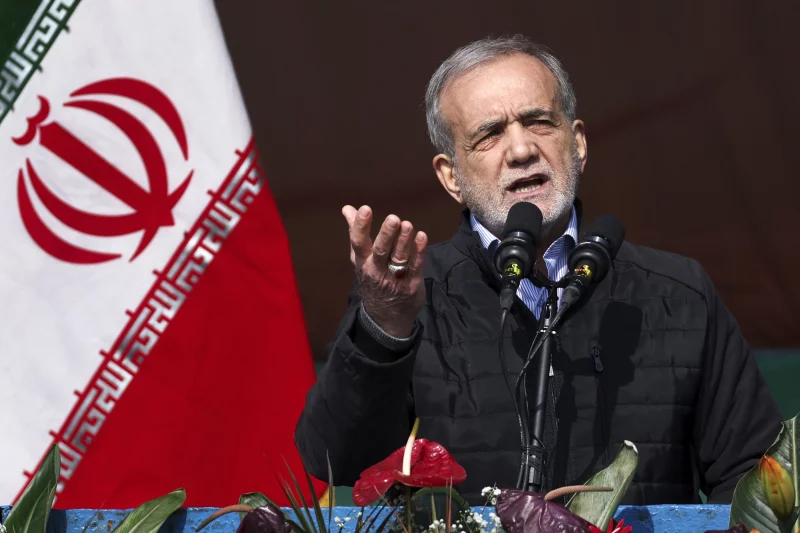
Planned High-Level Meetings
US officials have confirmed that a delegation will travel to Islamabad for a new round of talks. The delegation is expected to include senior figures involved in foreign policy and negotiations.
Key details include:
- Meetings scheduled in Islamabad
- Potential extension of discussions beyond one day
- Focus on de-escalation and security concerns
These talks represent a critical opportunity to address the issues driving the Iran vows all capabilities against US threats stance.
Diplomatic Stakes and Expectations
The upcoming negotiations are seen as a test of both sides’ willingness to engage constructively. Observers note that:
- Trust between the two nations remains low
- Previous agreements have faced implementation challenges
- Regional actors are closely monitoring developments
While talks may offer a path forward, expectations remain cautious.
Impact on Global Shipping and Trade
One of the most significant consequences of the ongoing tensions has been disruption to international shipping routes.
Strait of Hormuz Disruptions
The Strait of Hormuz, a vital corridor for global energy shipments, has experienced major disruptions. This has raised concerns about:
- Oil supply stability
- Increased shipping costs
- Potential global economic ripple effects
The Iran vows all capabilities against US threats situation has contributed to uncertainty in this critical region.
Naval Blockade and Security Risks
Reports indicate that a naval blockade has further intensified the situation. This development has:
- Limited maritime movement in strategic waters
- Heightened the risk of confrontation
- Increased military presence from multiple actors
Such conditions create a volatile environment with implications beyond the immediate conflict.
Broader Regional Context
The tensions between Iran and the United States are not occurring in isolation. They are part of a wider regional dynamic involving multiple countries and interests.
Role of Regional Powers
Countries in the Middle East and South Asia are closely watching the situation. Many are concerned about:
- Spillover effects into neighboring regions
- Disruptions to trade and energy markets
- Increased geopolitical instability
Pakistan’s involvement as a mediator reflects the importance of regional diplomacy in managing the crisis.
Long-Term Strategic Implications
The Iran vows all capabilities against US threats stance may have lasting effects on international relations. Analysts suggest that:
- Diplomatic channels may become more strained
- Military preparedness could increase on both sides
- Alliances and partnerships may shift
These factors could influence global politics for years to come.
FAQ Section
Why did Iran say it will use all capabilities against US threats?
Iran made this statement in response to what it describes as increasing military and political pressure from the United States, including threats to its infrastructure and alleged violations of agreements.
What role is Pakistan playing in Iran-US tensions?
Pakistan is acting as a mediator, facilitating communication and hosting upcoming negotiations aimed at reducing tensions between the two countries.
How are global shipping routes affected by Iran-US tensions?
Disruptions in the Strait of Hormuz have impacted oil shipments and increased shipping risks, affecting global trade and energy markets.
Will the upcoming talks in Islamabad reduce tensions?
While the talks provide an opportunity for dialogue, expectations remain cautious due to previous challenges in reaching and maintaining agreements.
Conclusion
The Iran vows all capabilities against US threats position underscores the seriousness of the current geopolitical climate. With both sides expressing concerns and preparing for multiple scenarios, the situation remains complex and uncertain. Upcoming diplomatic talks may offer a path toward easing tensions, but significant challenges remain. Observers continue to monitor developments closely, as the outcome could have wide-reaching implications for regional and global stability.
Click here for more news