0
0
 0
0
The SIPRI nuclear threat warning has drawn global attention after researchers at the Stockholm International Peace Research Institute raised concerns about increasing nuclear risks across major world powers. In its latest annual assessment on arms control, disarmament, and international security, SIPRI highlights developments that suggest a reversal in decades-long efforts to reduce nuclear tensions.
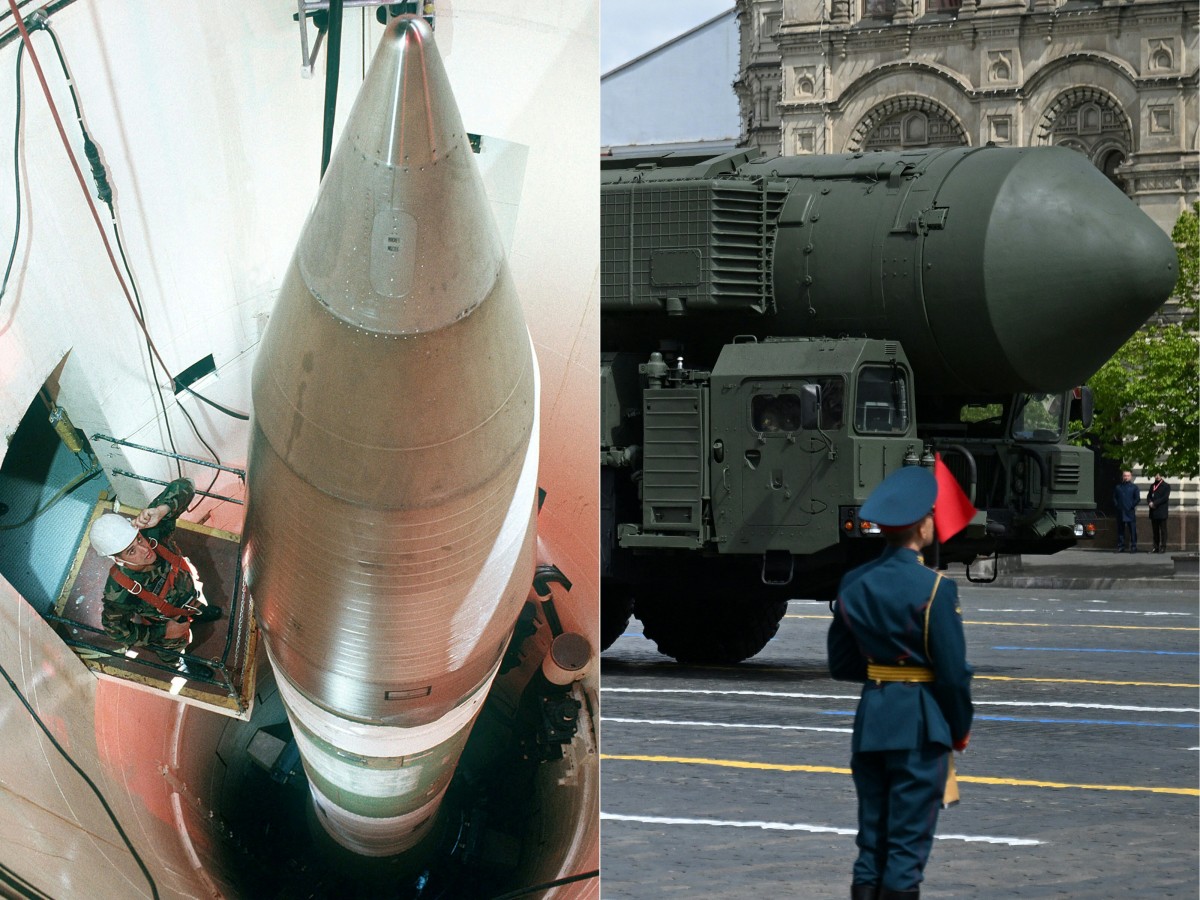
The SIPRI nuclear threat warning focuses on the growing readiness of nuclear forces, ongoing modernization programs, and shifting defense strategies among key nuclear-armed states, particularly Russia and the United States.
Rising Nuclear Alert Levels Raise Global Concern
According to SIPRI researchers, one of the most significant concerns is the reported movement of nuclear warheads from stockpiles to active deployment systems.
This development suggests that more nuclear weapons are being placed on higher operational alert, increasing the potential risks during geopolitical tensions.
Increased Missile Readiness
SIPRI notes that nuclear warheads are being mounted on ballistic missile systems at higher readiness levels.
This means weapons could potentially be launched on shorter notice compared to previous years, reducing decision-making time during crises.
Key concerns highlighted include:
- Faster launch readiness of deployed warheads
- Reduced separation between storage and deployment systems
- Increased sensitivity during international conflicts
- Higher risk of miscalculation during tensions
Strategic Stability Challenges
Experts warn that higher alert levels can reduce stability between nuclear powers.
When weapons are kept in a more active state, even minor misunderstandings or false alarms could escalate more quickly than in lower readiness environments.
Nuclear Modernization Programs Underway
Another major element of the SIPRI nuclear threat warning is the continued modernization of nuclear arsenals by several nuclear-armed countries.
These modernization programs involve upgrading delivery systems, warheads, and supporting infrastructure.
Expansion of Nuclear Capabilities
SIPRI researchers indicate that ongoing modernization could increase both the size and capability of existing arsenals.
This includes improvements in:
- Missile range and accuracy
- Warhead design and reliability
- Command and control systems
- Delivery platform survivability
Such upgrades may contribute to long-term increases in nuclear stockpile effectiveness.
Long-Term Global Implications
Modernization efforts are not limited to one country but are part of broader trends among nuclear-armed states.
Over time, these developments may reshape global military balance and increase competition among major powers.
SIPRI Warns of Setbacks in Arms Reduction Efforts
A key message in the SIPRI nuclear threat warning is that progress in nuclear disarmament appears to be slowing or reversing.
Researchers emphasize that decades of efforts aimed at reducing reliance on nuclear weapons may now be under pressure.
Reversal of Disarmament Progress
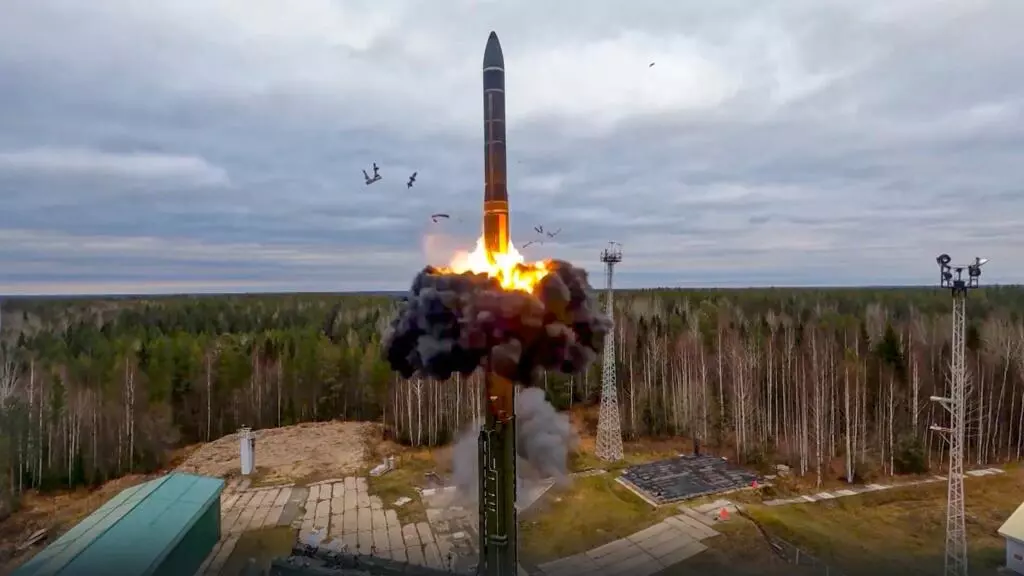
SIPRI has stated that current trends are undermining earlier achievements in arms reduction.
This includes concerns that nuclear weapons are once again becoming central to national defense strategies.
According to SIPRI’s assessment:
- Efforts to reduce nuclear stockpiles are slowing
- Arms control agreements face increasing pressure
- Diplomatic progress on disarmament is weakening
- Military reliance on nuclear deterrence is rising
Growing Reliance on Nuclear Deterrence
Several nuclear-armed states are increasingly integrating nuclear capabilities into their core defense policies.
This shift increases concerns that nuclear weapons are being viewed as essential rather than exceptional tools of military strategy.
Expert Warning on Nuclear Dependency
SIPRI leadership has also expressed concern about the growing dependence of national security strategies on nuclear weapons.
Karim Haggag, head of SIPRI, highlighted the risks associated with this trend in a public statement.
Leadership Concerns on Global Security
He noted that nuclear risk increases when countries rely heavily on nuclear weapons for defense purposes.
This dependence may increase the likelihood of escalation during political or military crises.
Risk of Escalation in Global Conflicts
Experts suggest that increased reliance on nuclear weapons can raise the probability of:
- Misinterpretation of military signals
- Rapid escalation during conflicts
- Reduced space for diplomatic resolution
- Higher global instability during crises
Historical Context of Nuclear Risk Trends
The SIPRI nuclear threat warning is part of a broader historical pattern of fluctuating nuclear tensions.
While the post-Cold War period saw reductions in stockpiles and agreements aimed at limiting nuclear weapons, recent developments suggest a shift in direction.
Post-Cold War Reductions
After the Cold War, several countries reduced their nuclear arsenals and signed key arms control agreements.
This period was widely seen as a step toward lowering global nuclear risks.
Current Shift in Global Strategy
Recent trends indicate a return to strategic competition among nuclear-armed states.
This includes modernization efforts and increased emphasis on deterrence-based defense systems.
Global Security Implications
The SIPRI nuclear threat warning has significant implications for international security policy and diplomatic relations.
Potential Impact on International Stability
The developments highlighted by SIPRI may affect global stability in several ways:
- Increased military tension between nuclear powers
- Reduced effectiveness of arms control frameworks
- Greater uncertainty in global security planning
- Higher risk of accidental escalation
Importance of Arms Control Dialogue
Experts suggest that continued dialogue and diplomatic engagement remain essential in reducing nuclear risks.
International cooperation is seen as a key factor in preventing further escalation of nuclear tensions.

FAQ
What is the SIPRI nuclear threat warning about?
The SIPRI nuclear threat warning highlights rising global risks due to increased nuclear readiness and modernization by major nuclear powers.
Why is nuclear risk increasing according to SIPRI?
SIPRI says nuclear risk is increasing due to higher alert levels, modernization programs, and growing reliance on nuclear weapons in national defense strategies.
Which countries are involved in increased nuclear readiness?
SIPRI specifically highlights Russia and the United States as having moved some nuclear warheads to higher operational readiness levels.
How could nuclear modernization affect global security?
Modernization may increase the capability and effectiveness of nuclear arsenals, potentially raising long-term global security risks.
Conclusion
The SIPRI nuclear threat warning underscores growing concerns about the direction of global nuclear policy. With increased missile readiness, ongoing modernization programs, and renewed reliance on nuclear deterrence, researchers warn that decades of disarmament progress may be under pressure. As global tensions continue to evolve, the findings highlight the importance of sustained international dialogue and efforts to reduce nuclear risks.
Click here for more news