 0
0
 0
0
Iran criticizes IAEA stance in a sharp response to comments and reports from the International Atomic Energy Agency, with Tehran accusing the agency of taking a “non-constructive position” and ignoring what it describes as the root causes of recent nuclear-related tensions. Iranian officials also stated that the country is fully prepared for any possible scenario.
The remarks come amid heightened diplomatic friction between Iran and international nuclear watchdogs, as debates continue over accountability, inspections, and regional security concerns.
Iran Criticizes IAEA Stance Amid Growing Nuclear Dispute
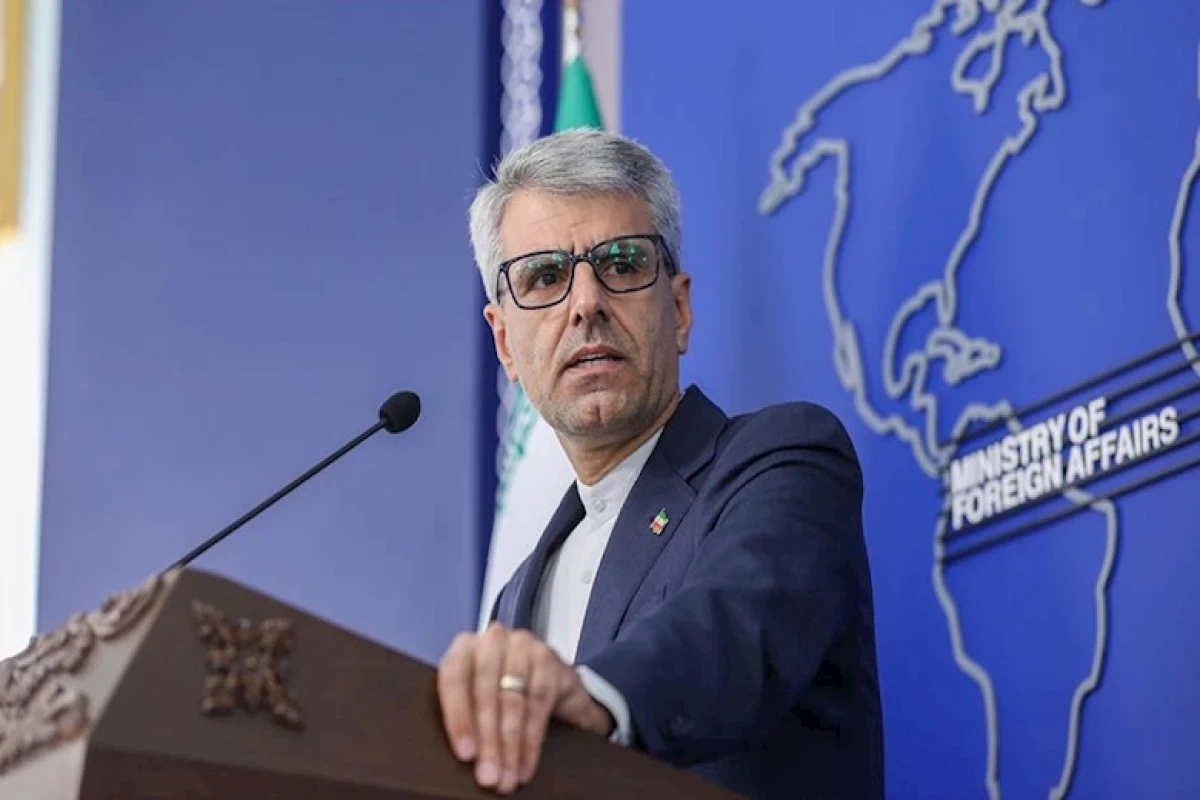
The latest Iran criticizes IAEA stance statement was issued by Iranian Foreign Ministry spokesperson Esmaeil Baghaei, who reacted to recent comments from the agency’s leadership regarding Iran’s nuclear activities.
Baghaei argued that the agency has focused too heavily on consequences rather than addressing what Iran considers underlying causes of the current situation.

Iran Criticizes IAEA Stance Over Responsibility Claims
Iranian officials said the International Atomic Energy Agency (IAEA) should take a more balanced approach when assessing the situation.
According to Tehran, external military and political actions have contributed significantly to rising tensions surrounding Iran’s nuclear program.
Baghaei insisted that if the agency is concerned about developments, it should also address actions taken by countries that Iran says triggered the escalation.
Role of the International Atomic Energy Agency
The controversy centers around the role of the International Atomic Energy Agency, which is responsible for monitoring nuclear programs and ensuring compliance with international agreements.
Iran Questions Objectivity of IAEA Reports
Iran has repeatedly questioned the neutrality of some agency assessments, arguing that certain reports fail to fully consider geopolitical pressures.
The latest Iran criticizes IAEA stance remarks reflect ongoing frustration within Tehran over what it perceives as uneven scrutiny.
Rafael Grossi’s Position Under Scrutiny
The comments were directed in part at Rafael Grossi, who recently presented a report that Iran believes does not fully reflect its position.
Iranian officials suggested that the agency leadership should act with greater responsibility and avoid contributing to political tensions.
Iran Says It Is Prepared for Any Scenario
Alongside its criticism, Iran emphasized that it remains ready for any possible developments, signaling a firm stance amid ongoing international pressure.
Diplomatic and Security Readiness
Officials said Iran has already prepared response measures for different scenarios, though no specific actions were disclosed.
This statement added weight to the broader Iran criticizes IAEA stance message, reinforcing Tehran’s position that it will not be pressured into unilateral concessions.
Nuclear Facility Concerns Raised
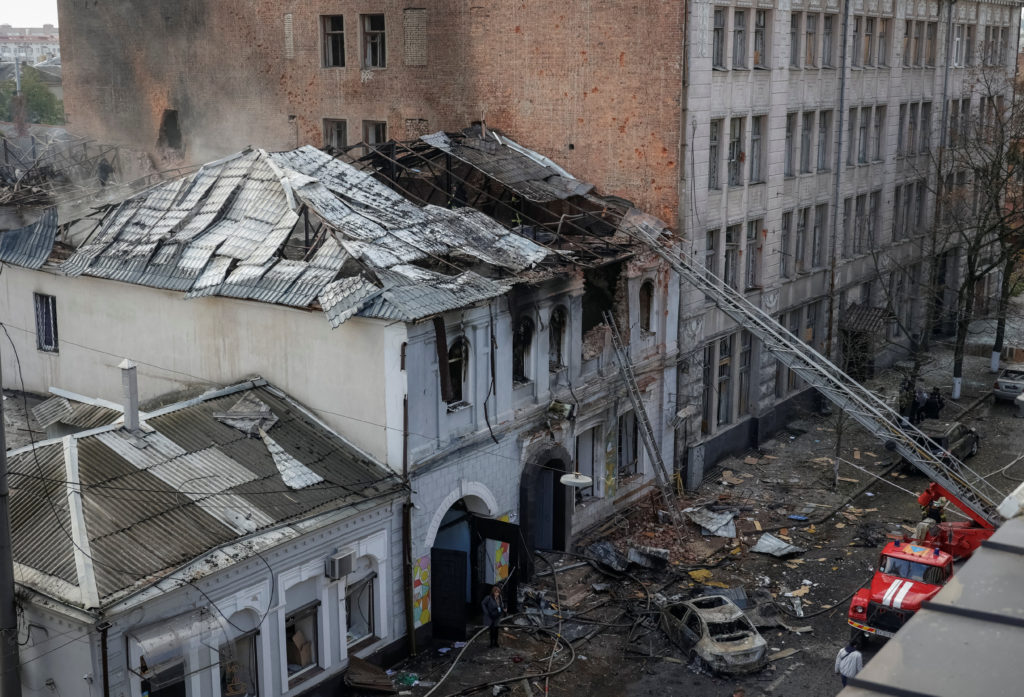
Iran also pointed to previous incidents involving strikes on nuclear-related infrastructure, which it claims have not been adequately addressed by international institutions.
According to Iranian officials, such incidents should be part of any fair assessment of the current situation.
Foreign Ministry Expands Criticism
The Iranian Foreign Ministry expanded on its position, arguing that responsibility for current tensions should be distributed more broadly among involved parties.
Call for Accountability
Spokesperson Esmaeil Baghaei emphasized that countries responsible for escalating tensions should also be held accountable in international discussions.
Esmail Baghaei stated that focusing only on Iran’s actions presents an incomplete picture of the situation.
Comment on International Leadership
Baghaei also commented that individuals seeking high-level international positions, including roles within the United Nations system, should act responsibly and avoid biased interpretations of sensitive issues.
Rising Tensions Over Nuclear Oversight
The Iran criticizes IAEA stance development comes at a time when international scrutiny of Iran’s nuclear program remains intense.
Calls for Resolution Possible
Diplomatic sources have suggested that a resolution against Iran could be considered in upcoming international discussions, depending on how negotiations evolve.
Iran has warned that such actions could further strain relations and reduce cooperation with international monitoring bodies.
Broader Geopolitical Context
The situation is further complicated by ongoing tensions in the Middle East, including disputes involving Iran and other regional actors.
Iran maintains that its nuclear program is peaceful, while critics continue to express concern over transparency and compliance issues.

International Reactions Expected
The international community is expected to respond to Iran’s latest comments in the coming days, particularly from countries involved in nuclear negotiations.
Diplomatic Engagement Continues
Despite tensions, diplomatic channels remain open between Iran and several global powers.
Observers say the Iran criticizes IAEA stance remarks could influence upcoming talks and reporting cycles within the agency.
Potential Impact on Negotiations
Analysts believe that continued disagreements between Iran and the IAEA may affect broader efforts to revive or adjust nuclear-related agreements.
FAQ
Why is Iran criticizing the IAEA stance?
Iran says the agency is focusing on consequences rather than causes of nuclear tensions and is not addressing what it sees as external triggers.
What is the IAEA’s role in this situation?
The International Atomic Energy Agency monitors nuclear programs worldwide to ensure compliance with international agreements.
Who responded on behalf of Iran?
The comments were made by Iranian Foreign Ministry spokesperson Esmaeil Baghaei, representing the government’s position.
Could tensions escalate further?
Yes, analysts say disagreements between Iran and international agencies could impact future diplomatic negotiations and resolutions.
Conclusion
The Iran criticizes IAEA stance statement highlights ongoing tensions between Tehran and international nuclear regulators. As both sides continue to exchange criticism, diplomatic efforts remain crucial to preventing further escalation. The situation underscores the complexity of nuclear oversight in a highly sensitive geopolitical environment.
PLEASE CLICK HERE FOR MORE NEWS