 0
0
 0
0
The NATO 3.0 defense strategy represents a modernization of how NATO intends to operate in a rapidly changing security environment.
A “Stronger Europe in a Stronger NATO” Framework
At the core of the plan is a balanced division of responsibilities:
- European members increase conventional military strength
- The United States continues providing nuclear deterrence and advanced support
- Joint coordination remains central to collective defense
Strategic Emphasis on Cooperation
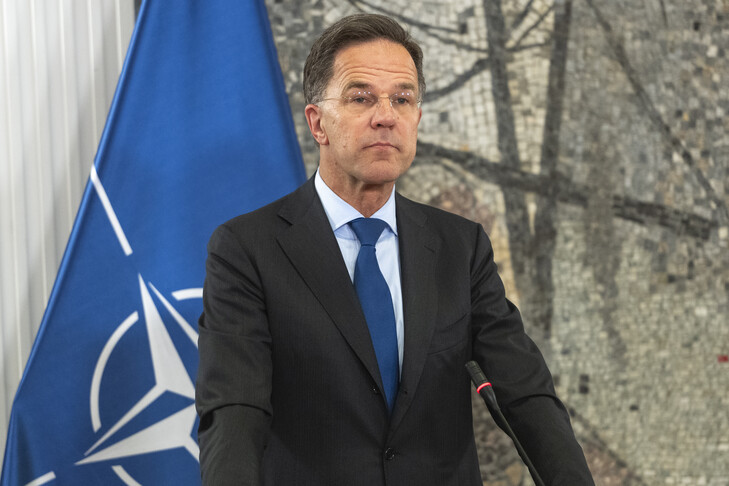
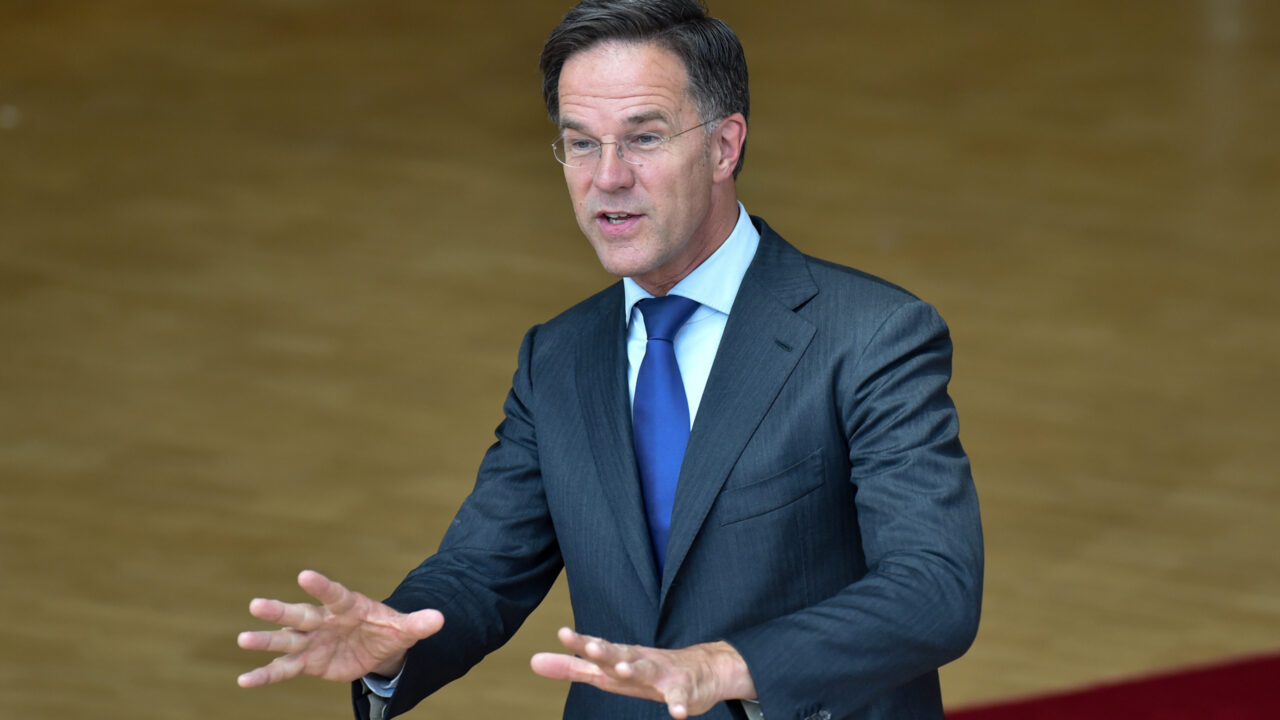
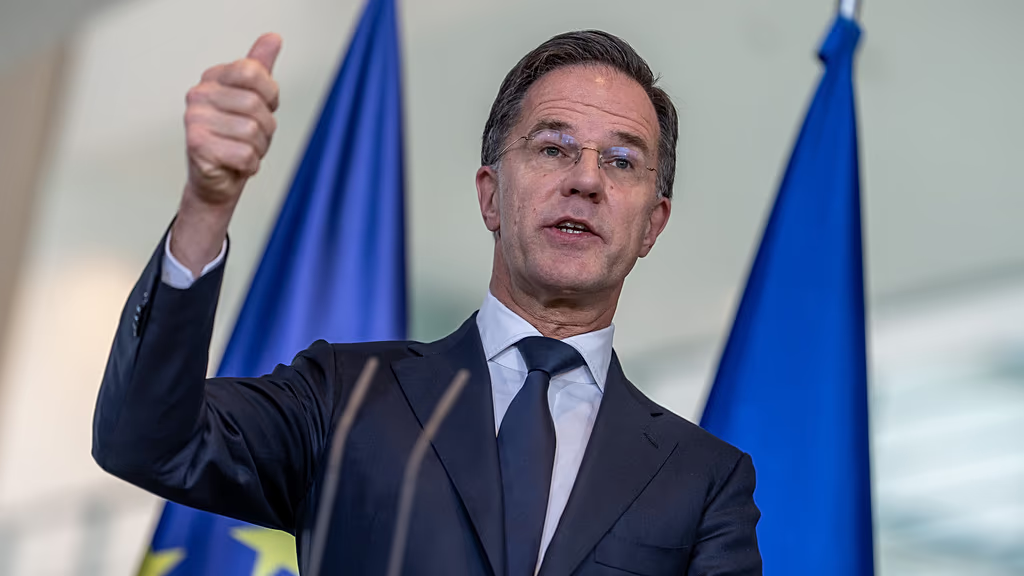
Mark Rutte emphasized that NATO unity remains anchored in transatlantic cooperation. The NATO 3.0 defense strategy does not signal separation but rather enhanced burden-sharing across members.
He also reinforced that every member state remains protected under collective defense principles.
Russia as the Central Security Challenge
A key driver behind the NATO 3.0 defense strategy is the ongoing threat assessment related to Russia’s military actions in Ukraine.
Russia Identified as Primary Threat
NATO leadership continues to view Vladimir Putin’s Russia as the most immediate and significant security threat to the alliance.
This assessment is based on:
- Continued military operations in Ukraine
- Increased instability along Eastern European borders
- Long-term geopolitical uncertainty
Reinforced Eastern Flank Defense
The alliance has strengthened deterrence measures along:
- Eastern European borders
- The High North region
These deployments are intended to ensure rapid response capability in case of escalation.
The NATO 3.0 defense strategy therefore places heavy focus on readiness and deterrence rather than reactive defense alone.
Defense Spending and Military Capability Expansion
Another major pillar of the NATO 3.0 defense strategy is the expansion of military capability and defense budgets across member states.
Increased Spending Targets
NATO members are being encouraged to significantly increase defense spending levels ahead of upcoming summits.
Key points include:
- Higher long-term defense budget commitments
- Expansion of military production capacity
- Improved readiness and logistics systems
Some members are even considering exceeding previously discussed long-term spending targets before 2035.
Industrial and Production Growth
The NATO 3.0 defense strategy also highlights the importance of:
- Expanding weapons manufacturing capacity
- Strengthening supply chains for ammunition and equipment
- Reducing dependency on external defense imports
This approach is intended to ensure NATO can sustain long-term military operations if needed.
US-Europe Relations and Strategic Coordination
The NATO 3.0 defense strategy continues to rely heavily on cooperation between Europe and the United States, though political tensions occasionally emerge.
US Role in NATO Structure
The United States remains central to NATO’s defense system, especially in:
- Nuclear deterrence capabilities
- Advanced military technology support
- Global operational coordination
Former U.S. President Donald Trump was praised by NATO leadership for encouraging increased defense spending among member states during previous summits.
Managing Diplomatic Tensions
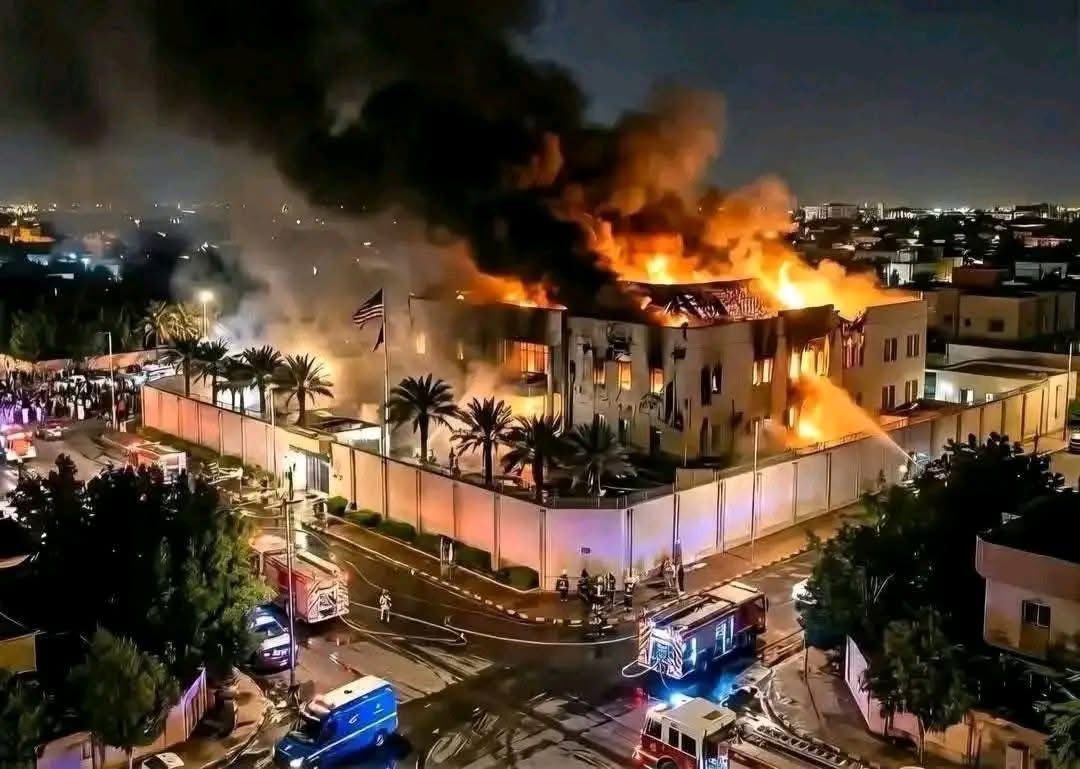
Recent disagreements among allies—particularly related to international military actions in the Middle East—have raised diplomatic concerns.
However, NATO leadership stated that:
- Internal concerns have been acknowledged
- Cooperation mechanisms remain active
- Communication channels remain open
The NATO 3.0 defense strategy aims to keep these tensions from affecting overall alliance stability.
Ukraine War and Peace Negotiation Outlook
The ongoing Russia-Ukraine war remains central to NATO’s strategic planning and the NATO 3.0 defense strategy framework.
Continued Support for Ukraine
NATO continues to emphasize:
- Military assistance to Ukraine
- Defensive equipment support
- Long-term strategic backing
This support is seen as essential for maintaining regional stability.
Position on Peace Talks
Mark Rutte stressed that meaningful negotiations depend on willingness from Moscow.
He noted that progress toward peace is currently stalled, stating that responsibility lies with Russia to engage constructively.
From NATO’s perspective, the NATO 3.0 defense strategy supports both defense readiness and diplomatic openness, but only under conditions of genuine engagement.
NATO Summit in Ankara and Future Direction
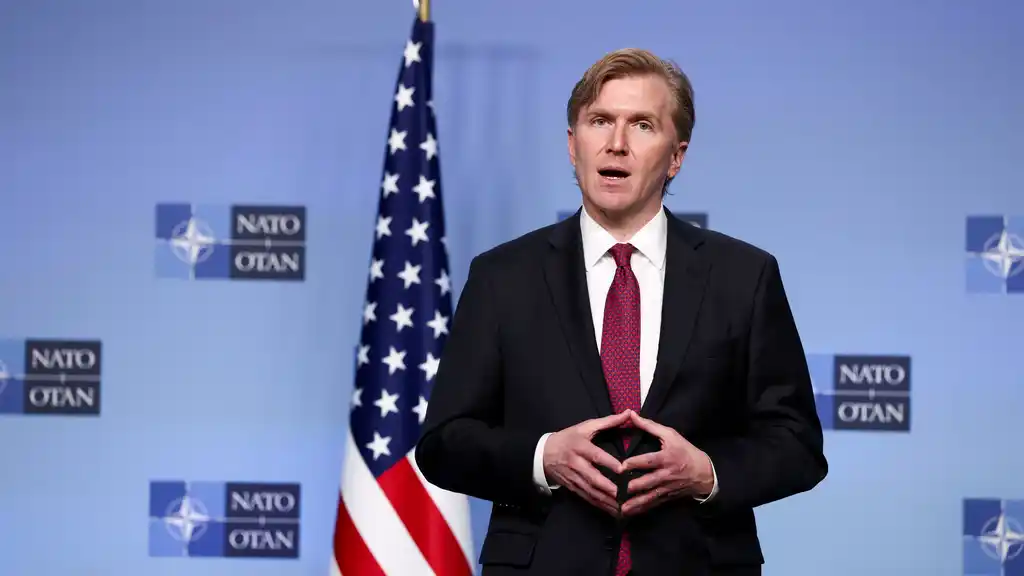
The upcoming NATO summit in Ankara is expected to play a major role in shaping the final direction of the NATO 3.0 defense strategy.
Key Agenda Items
Topics expected to dominate discussions include:
- Defense spending commitments
- Military production expansion
- Ukraine support strategies
- Long-term alliance modernization
Strategic Outlook
The alliance is expected to further refine how responsibilities are shared between Europe and North America.
The NATO 3.0 defense strategy is likely to remain a central framework for ensuring long-term stability and coordinated defense planning.
FAQ
What is NATO 3.0 defense strategy about?
The NATO 3.0 defense strategy is a modernization plan focused on strengthening European defense capabilities while maintaining strong US support within NATO.
Why is Russia central to NATO 3.0 defense strategy?
Russia is considered the primary security threat due to the ongoing war in Ukraine and broader regional instability.
How does NATO 3.0 defense strategy affect military spending?
It encourages member countries to increase defense budgets, improve military production, and strengthen readiness.
What role does Ukraine play in NATO 3.0 defense strategy?
Ukraine remains a key focus, with continued military support and emphasis on long-term security assistance.
Conclusion
The NATO 3.0 defense strategy reflects a shifting security environment where NATO seeks to balance stronger European responsibility with continued United States involvement. As geopolitical tensions persist, the alliance is focusing on readiness, defense investment, and coordinated support for Ukraine while preparing for future discussions at the Ankara summit.
This evolving approach underscores NATO’s long-term goal of maintaining stability through collective strength and shared responsibility.
Click here for more news