 0
0
 0
0
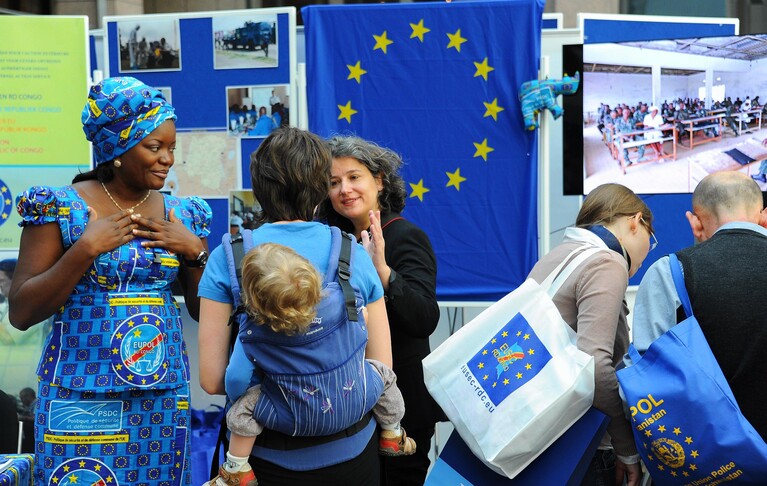
The Schuman Declaration Europe Day anniversary was marked across the European Union on Saturday as leaders, institutions, and citizens reflected on decades of integration, peace, and cooperation.
The occasion represents the 76th anniversary of the historic declaration made on May 9, 1950, which laid the foundation for what would eventually become the European Union. Across member states, Europe Day is recognized as a symbol of unity and shared values.
The Schuman Declaration Europe Day observance in 2026 focused heavily on themes of solidarity, peace, and collective progress in a rapidly changing global landscape.

What Europe Day Represents Today
Europe Day is not just a historical remembrance but also a modern celebration of the EU’s achievements. It highlights:
- Peaceful cooperation among European countries
- Economic and political integration
- Freedom of movement and shared rights
- Cultural diversity within unity
The Schuman Declaration Europe Day anniversary continues to reinforce the idea that cooperation remains central to Europe’s identity.
Growing Importance in Modern Europe
In recent years, Europe Day has gained renewed attention due to global political and economic challenges. EU institutions use the occasion to emphasize resilience and unity among member states.
Leaders Highlight Unity, Peace, and Shared Values
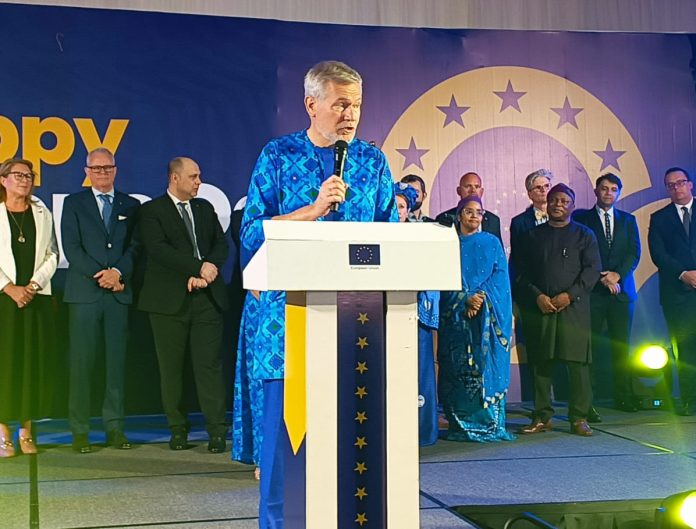
European leaders used the Schuman Declaration Europe Day anniversary to deliver messages emphasizing cooperation and collective strength.
Antonio Costa’s Message on Unity
European Council President Antonio Costa described Europe Day as a celebration for all Europeans.
He emphasized that the European project is built on shared effort and collaboration. According to his message, progress in Europe has always come from working together rather than acting in isolation.
Costa highlighted that unity remains essential to maintaining peace and opportunity across the continent.
Ursula von der Leyen on European Identity
European Commission President Ursula von der Leyen also marked the Schuman Declaration Europe Day anniversary by focusing on the people of Europe.
She described Europe as a collective identity shaped by its citizens, stressing that European values belong to everyone within the Union.
Her message reinforced the idea that Europe’s strength comes from its people, not only its institutions.
Key Themes from Leadership Messages
Common themes expressed by EU leadership included:
- Unity in diversity
- Peace as a foundational principle
- Shared responsibility among member states
- Protection of democratic values
Origins of the Schuman Declaration and European Integration
The Schuman Declaration Europe Day celebration traces back to a historic moment in postwar Europe that reshaped the continent’s political future.
The 1950 Proposal That Changed Europe
On May 9, 1950, then-French Foreign Minister Robert Schuman proposed a groundbreaking idea to place European coal and steel production under a joint authority.
Robert Schuman believed this cooperation would make war between European nations not only unthinkable but materially impossible.
The European Coal and Steel Community
The proposal led to the creation of the European Coal and Steel Community (ECSC), an early framework for economic integration.
Key objectives included:
- Shared control of key industrial resources
- Economic cooperation between former rivals
- Long-term prevention of conflict in Europe
This initiative became the first concrete step toward deeper integration.
From ECSC to the European Union
Over time, the ECSC evolved through treaties and expansions, eventually forming the modern European Union. The Schuman Declaration Europe Day anniversary therefore represents the origin point of this long integration process.
Why the Schuman Declaration Still Matters Today
The Schuman Declaration Europe Day observance remains relevant more than seven decades later because its core principles continue to shape European governance.
Lasting Political Impact
The declaration introduced ideas that still guide EU policy today:
- Economic interdependence reduces conflict risks
- Cooperation strengthens regional stability
- Shared institutions improve long-term governance
These principles remain central to EU decision-making.
Cultural and Social Significance
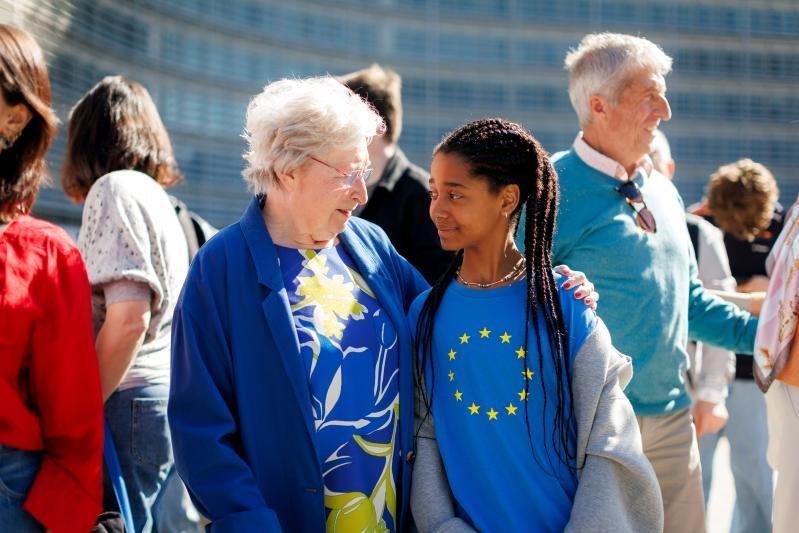
Beyond politics, Europe Day also promotes cultural unity. Citizens across member states participate in events that celebrate diversity while reinforcing shared European identity.
Modern Challenges and EU Unity
The EU continues to face global challenges such as:
- Economic uncertainty
- Security concerns
- Climate change policies
- Migration management
Despite these issues, the Schuman Declaration Europe Day anniversary reinforces the importance of staying united.
European Values Celebrated Across Member States
The Schuman Declaration Europe Day anniversary is also a reminder of the values that underpin the European Union.
Core European Values
These include:
- Democracy and rule of law
- Human rights protection
- Equality and inclusion
- Peaceful cooperation
Citizens at the Center of Europe Day
EU institutions consistently highlight that Europe is defined by its people. Public celebrations, educational events, and cultural programs are organized to engage citizens directly.
Digital Engagement and Modern Celebrations
In recent years, Europe Day messages have increasingly been shared through digital platforms, allowing leaders and citizens to connect instantly across borders.
Broader Historical Context of European Integration
Understanding the Schuman Declaration Europe Day anniversary also requires looking at the broader historical context of post-World War II Europe.
Postwar Reconstruction Efforts
After World War II, European nations sought ways to prevent future conflicts while rebuilding economies. Cooperation became a key strategy.
Early Integration Steps
Before the EU existed, several initiatives laid the groundwork:
- Economic partnerships
- Trade agreements
- Security cooperation frameworks
These efforts gradually evolved into a unified political structure.
FAQ: Schuman Declaration Europe Day Anniversary
What is the Schuman Declaration Europe Day anniversary about?
It marks the 1950 proposal by Robert Schuman that initiated European integration and eventually led to the creation of the European Union.
Why is Europe Day celebrated on May 9?
May 9 commemorates the date of the Schuman Declaration in 1950, considered the starting point of European unity efforts.
Who was Robert Schuman in European history?
Robert Schuman was a French foreign minister who proposed pooling coal and steel production among European nations to prevent future wars.
What does Europe Day symbolize today?
It symbolizes unity, peace, and shared values among European countries under the framework of the European Union.
Conclusion
The Schuman Declaration Europe Day anniversary continues to serve as a powerful reminder of how cooperation can transform regions once divided by conflict into partners in peace and progress.
From its origins in 1950 to the present-day European Union, the principles introduced by Robert Schuman remain central to Europe’s identity. As leaders and citizens reflect on this milestone, the message of unity in diversity continues to define the European project.
Click here for more news