 0
0
 0
0
The Russian mercenaries withdraw Kidal Mali development marks a significant shift in the country’s ongoing conflict, following intense clashes between separatist forces, government troops, and foreign fighters in the northern region.
Withdrawal Agreement Reached in Kidal
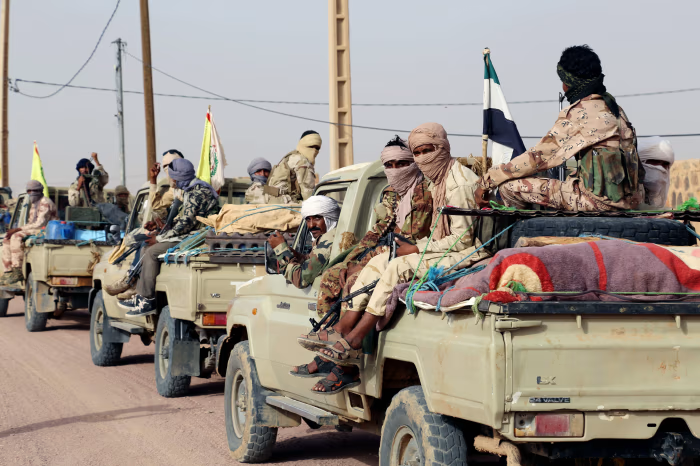
The Russian mercenaries withdraw Kidal Mali agreement was announced after two days of heavy fighting in the strategic northern city. According to statements from the Azawad Liberation Front (FLA), arrangements were made to ensure the safe exit of Russian fighters from the area.
The FLA, a separatist group seeking an independent Tuareg state, claimed it was escorting the departing forces out of Kidal shortly after the agreement was reached.
Terms of the Withdrawal
Details surrounding the Russian mercenaries withdraw Kidal Mali deal remain limited, but initial reports suggest:
- A coordinated ceasefire between involved forces
- Safe passage for withdrawing personnel
- Temporary de-escalation in active combat zones
This move appears aimed at reducing immediate tensions in Kidal, though broader conflict dynamics remain unchanged.
Control of Kidal Claimed by Separatists
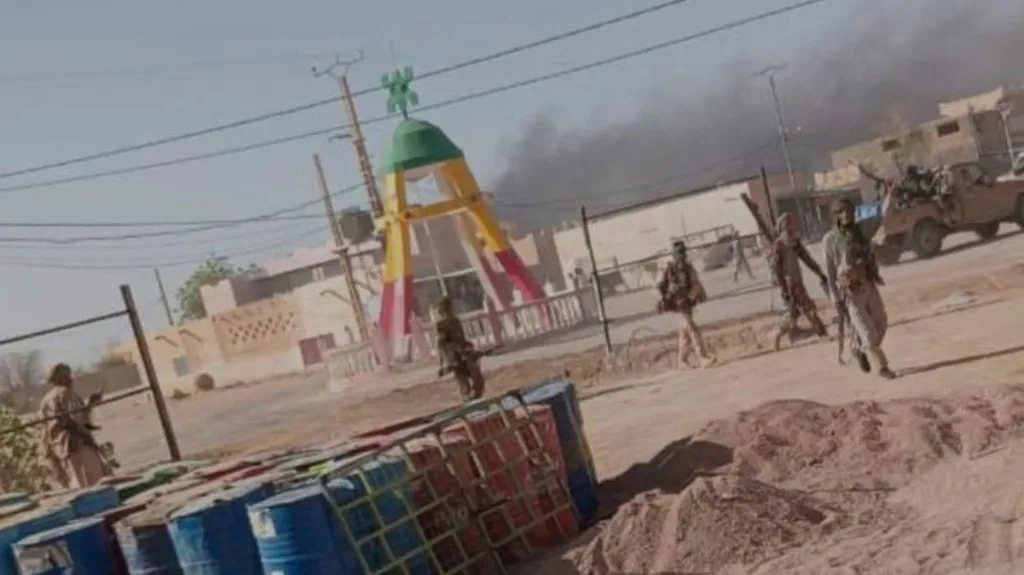
Following the withdrawal, the FLA stated that it had taken control of Kidal. The city has long been a symbolic and strategic stronghold for Tuareg separatist movements.
Kidal previously served as an unofficial headquarters for separatist forces before being recaptured by the Malian army with support from Russian mercenaries in 2023.
Coordinated Attacks Across Mali
The Russian mercenaries withdraw Kidal Mali situation unfolded amid widespread and coordinated attacks across the country, affecting multiple regions.
Locations Targeted
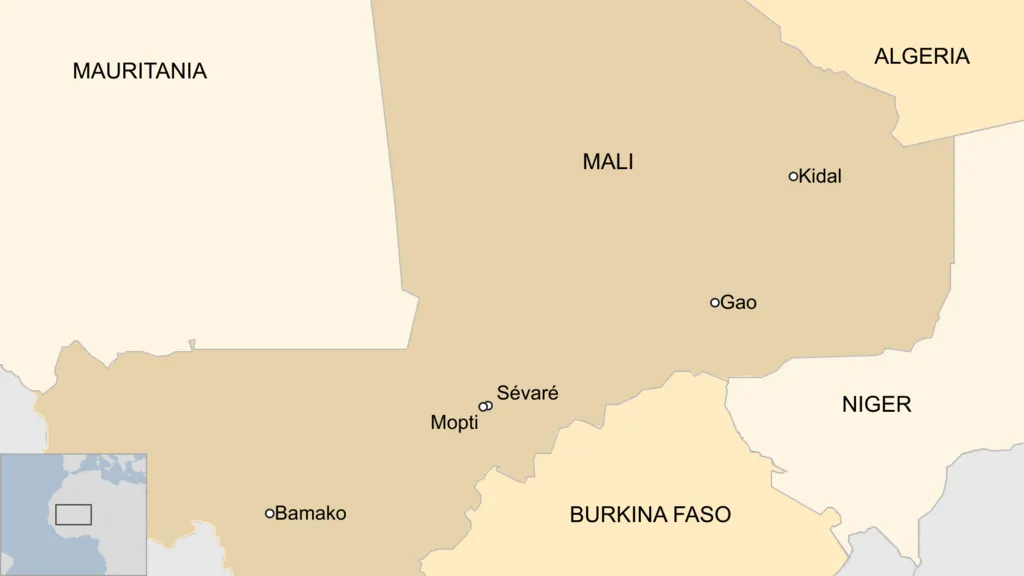
Clashes were reported in several key areas, including:
- Bamako (the capital)
- Kati (major military base)
- Gao and Kidal (northern strongholds)
- Sevare and Mopti (central regions)
These simultaneous assaults suggest a high level of coordination among armed groups.
Scale of the Offensive
Security analysts described the attacks as one of the most significant in recent years. The involvement of multiple armed factions, including separatists and jihadist groups, contributed to the scale and complexity of the violence.
Role of Armed Groups in the Conflict
The Russian mercenaries withdraw Kidal Mali development is closely linked to the activities of different armed groups operating in the region.
Azawad Liberation Front (FLA)
The FLA has been actively pursuing independence for northern Mali. Its fighters have maintained a presence in key regions and continue to challenge government control.
Jihadist Groups
Militants linked to al-Qaeda, particularly Jama’at Nusrat al-Islam wal-Muslimin (JNIM), reportedly carried out parallel attacks across Mali. Their operations often target both military and civilian locations.
Reported Casualties and Damage
Authorities confirmed that the attacks resulted in multiple injuries and casualties, though full details remain unclear.
Injury and Damage Reports
According to state media:
- At least 16 people were injured
- Damage was described as limited
- Several attackers were reportedly killed
Despite these reports, the situation remains fluid, with ongoing clashes in certain areas.
Death of Defence Minister Reported
Unconfirmed reports indicated that Mali’s Defence Minister, Sadio Camara, may have been killed in a car bomb attack near Bamako.
Sources suggested that:
- The explosion targeted a convoy
- Several family members were also killed
- Official confirmation has not yet been issued
This development, if confirmed, would represent a major escalation in the conflict.
Government Response and Security Measures
Following the attacks and the Russian mercenaries withdraw Kidal Mali development, authorities moved to strengthen security nationwide.
Measures Implemented
The Malian military announced:
- Increased patrols across major cities
- Reinforced checkpoints
- Nationwide security alerts
- Curfews in affected regions
In Bamako, a curfew was imposed from 9:00 PM to 6:00 AM to stabilize the situation.
Ongoing Military Operations
Despite the withdrawal in Kidal, the military confirmed that operations continue in several parts of the country.
Officials stated that the violence would not go unanswered, signaling possible further military action.
International Reactions to the Crisis
The Russian mercenaries withdraw Kidal Mali situation has drawn attention from international organizations and regional bodies.
Global and Regional Responses
Reactions include:
- Condemnation of violence by the United Nations
- Statements of concern from the African Union
- Criticism from regional bloc Ecowas
These responses highlight the broader implications of the conflict for regional stability.
Regional Political Context
Mali’s current leadership, under a military junta, has faced ongoing challenges in maintaining security. The country has experienced repeated instability since the 2020 coup.
The departure of international peacekeeping forces and reliance on foreign mercenaries have also shaped the current security landscape.
Background: Long-Running Conflict in Mali
The Russian mercenaries withdraw Kidal Mali development is part of a broader conflict that has affected the country for over a decade.
Key Drivers of the Conflict
Major factors include:
- Tuareg separatist movements in the north
- Jihadist insurgencies linked to global networks
- Political instability and military rule
- External military involvement
These overlapping issues continue to complicate efforts to restore stability.
Strategic Importance of Northern Mali
Regions like Kidal, Gao, and Timbuktu remain critical due to:
- Their geographic location
- Historical ties to separatist movements
- Limited government presence
Control over these areas often shifts between different armed groups.
FAQ Section
Why did Russian mercenaries withdraw from Kidal Mali?
Russian mercenaries withdrew after an agreement with separatist forces following intense clashes in the region.
Who controls Kidal after the withdrawal?
The Azawad Liberation Front claims to have taken control of Kidal after the withdrawal of Russian forces.
What triggered the recent attacks in Mali?
The attacks were part of coordinated operations involving separatist and jihadist groups across multiple regions.
Is the conflict in Mali ongoing?
Yes, despite the withdrawal in Kidal, fighting continues in other parts of the country and tensions remain high.
Conclusion
The Russian mercenaries withdraw Kidal Mali development reflects a shifting dynamic in the country’s complex conflict. While the withdrawal may reduce immediate tensions in Kidal, the broader situation remains unstable due to ongoing attacks, competing armed groups, and political challenges. Continued developments are expected as authorities and armed factions respond to the evolving security landscape.
PLEASE CLICK HERE FOR MORE NEWS