 0
0
 0
0
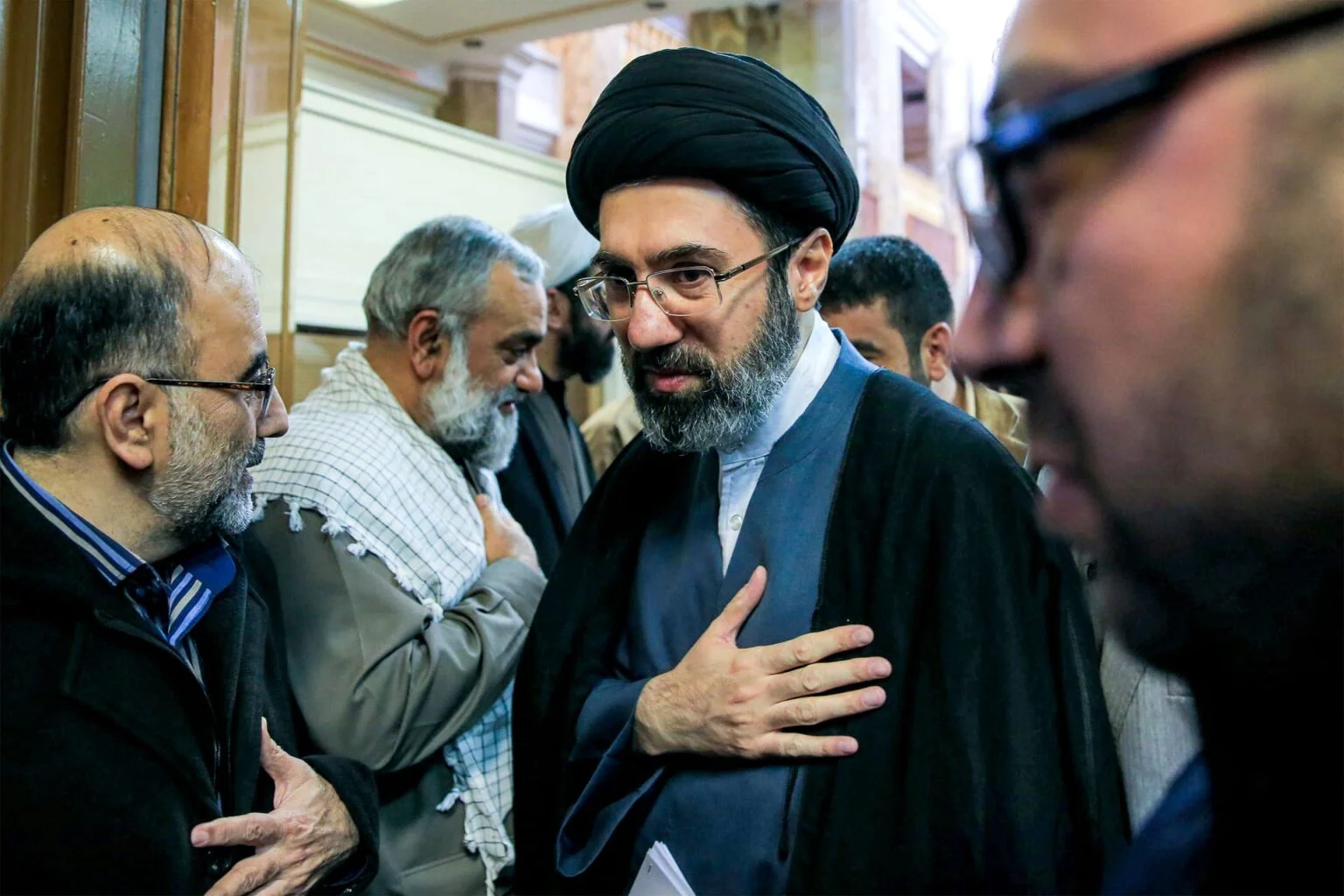
The statement summarized as Mojtaba Khamenei threats Israel US bases has triggered renewed international attention toward Iran’s regional security posture after remarks attributed to Iranian leadership figures outlined a long-term vision involving the United States military presence and Israel’s future in the Middle East. The comments, reported through Iranian media channels, have intensified already strained geopolitical tensions across the region.
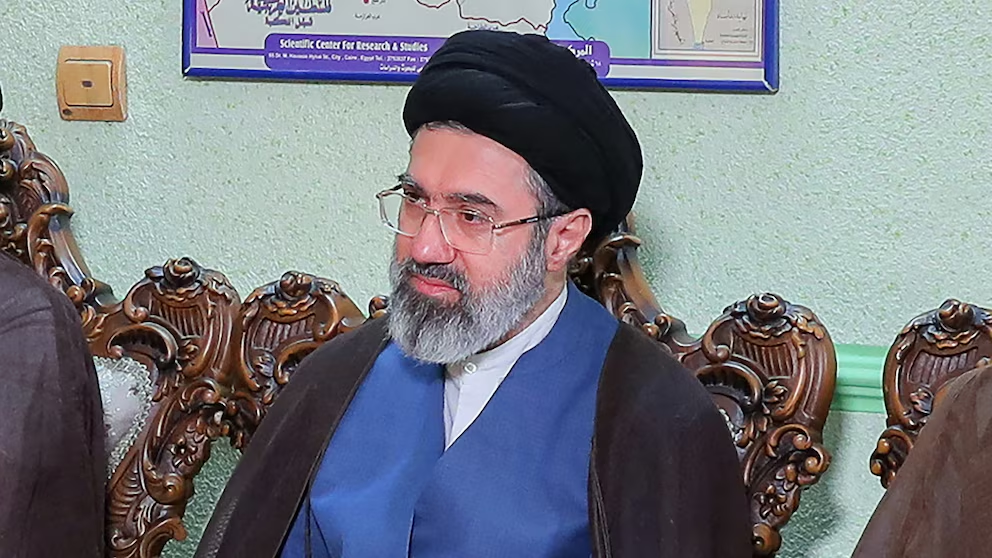
The remarks are linked to messaging attributed to Mojtaba Khamenei, who reportedly outlined a vision for a shifting regional order and long-term strategic changes involving Western military influence and Israel’s existence.
Mojtaba Khamenei threats Israel US bases statement and regional reaction
The Mojtaba Khamenei threats Israel US bases narrative centers on statements that described a future without American military installations in the Middle East and a dramatically altered balance of power in the region.
Key themes in the reported message
The statements focused on several core geopolitical themes:
- Rejection of long-term US military presence in the region
- Claims of shifting regional military balance
- Emphasis on missile and drone capabilities
- Vision of a new regional alliance structure
These themes were presented as part of a broader ideological and strategic message directed at both domestic and international audiences.
Timing and political context
The remarks were published during a religious and political messaging period in Iran, a time often used for high-level ideological statements. Analysts note that such timing typically amplifies political messaging aimed at both supporters and regional rivals.
Mojtaba Khamenei threats Israel US bases and US military presence claims
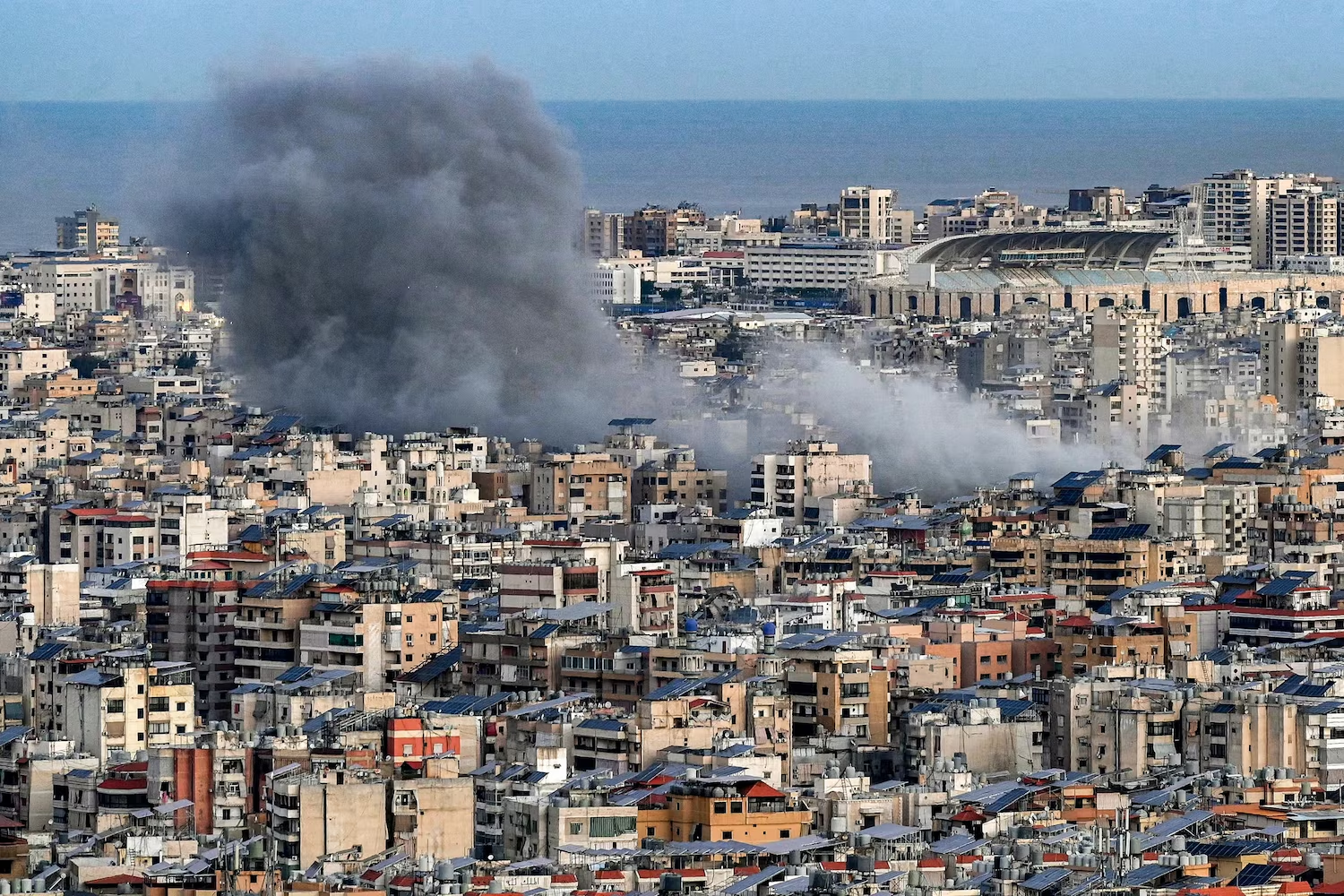
A key element of the Mojtaba Khamenei threats Israel US bases statement is its focus on the presence of United States forces in the Middle East.
Position on foreign military bases
According to the reported message, future regional developments would eliminate what was described as “safe havens” for foreign military installations. The statement suggested:
- Reduced regional dependence on US security protection
- Growing resistance to foreign military presence
- Expansion of domestic military capabilities in allied states
Strategic implications
If interpreted literally, such statements reflect a long-standing geopolitical tension between Iran and the United States regarding military positioning in the Middle East.
Experts often view such rhetoric as part of broader strategic signaling rather than immediate policy declarations.
Mojtaba Khamenei threats Israel US bases and Israel future claims
Another major aspect of the Mojtaba Khamenei threats Israel US bases narrative involves comments about the future of Israel within the region.
Reported long-term outlook
The statements included references to a timeline suggesting significant regional transformation over the next 15 years, including claims regarding Israel’s long-term existence.
Key points included:
- Predictions of major regional restructuring
- Assertions of declining Western influence
- Claims of shifting political alliances
Regional diplomatic sensitivity
Such remarks are highly sensitive due to ongoing conflicts and long-standing political tensions in the Middle East. They are likely to draw strong reactions from regional governments and international observers.
Political messaging behind Mojtaba Khamenei threats Israel US bases
The Mojtaba Khamenei threats Israel US bases narrative is also being analyzed as a form of political messaging aimed at multiple audiences.
Domestic audience influence
Internally, such statements may serve to:
- Strengthen ideological unity among supporters
- Reinforce narratives of resistance
- Highlight military and technological capabilities
Regional and international signaling
Externally, the message appears aimed at:
- Deterring perceived foreign influence
- Reinforcing Iran’s regional role
- Projecting long-term strategic confidence
Mojtaba Khamenei threats Israel US bases and Iran’s strategic narrative
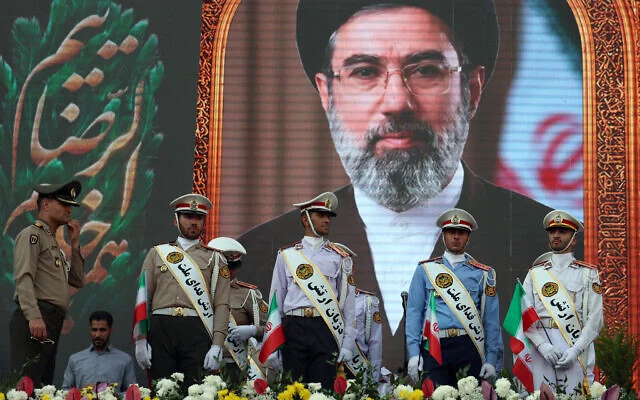
The broader context of the Mojtaba Khamenei threats Israel US bases statement fits within Iran’s evolving regional narrative shaped by decades of geopolitical tension and security competition.
Shift in regional discourse
Observers note that recent messaging trends emphasize:
- Military self-reliance
- Regional alliance building outside Western influence
- Increased focus on asymmetric warfare capabilities
Ideological framing
The rhetoric also draws on long-standing ideological themes within Iranian political discourse, including resistance to Western intervention and support for regional independence movements.
Leadership context and media interpretation
The statements have also raised attention due to the profile of Ali Khamenei and the broader leadership structure in Iran.
Media reporting considerations
Different outlets have interpreted the message in varying ways, ranging from:
- Strategic political messaging
- Long-term ideological projection
- Regional deterrence communication
Public and analyst response
Reactions have varied significantly, with some viewing the comments as rhetorical escalation while others interpret them as part of ongoing geopolitical positioning.
Broader implications of Mojtaba Khamenei threats Israel US bases
The Mojtaba Khamenei threats Israel US bases narrative contributes to ongoing uncertainty in Middle East geopolitics, particularly as regional alliances continue to shift.
Potential impacts include:
- Increased diplomatic tensions
- Heightened security concerns in regional hotspots
- Stronger alignment among competing geopolitical blocs
- Continued focus on military deterrence strategies
FAQ
What are Mojtaba Khamenei threats Israel US bases about?
They refer to reported statements discussing ending US military presence in the Middle East and long-term regional changes involving Israel.
Did Mojtaba Khamenei officially announce policy changes?
The remarks are reported political statements and should be understood in their broader rhetorical and strategic context.
Why are these statements important?
They reflect ongoing geopolitical tensions involving Iran, the United States, and Israel in the Middle East.
How have international observers reacted?
Reactions vary, with some viewing them as political messaging and others as strategic escalation rhetoric.
Conclusion
The Mojtaba Khamenei threats Israel US bases narrative highlights the continuing complexity of Middle East geopolitics, where political statements often carry significant regional weight. Whether interpreted as strategic messaging or ideological positioning, the remarks contribute to ongoing debates about foreign military presence, regional alliances, and long-term stability in the region.
PLEASE CLICK HERE FOR MORE NEWS