 0
0
 0
0
The Queen Elizabeth II legacy monarchy continues to influence Britain’s royal identity 100 years after her birth, as the United Kingdom reflects on the enduring impact of its longest-reigning monarch.
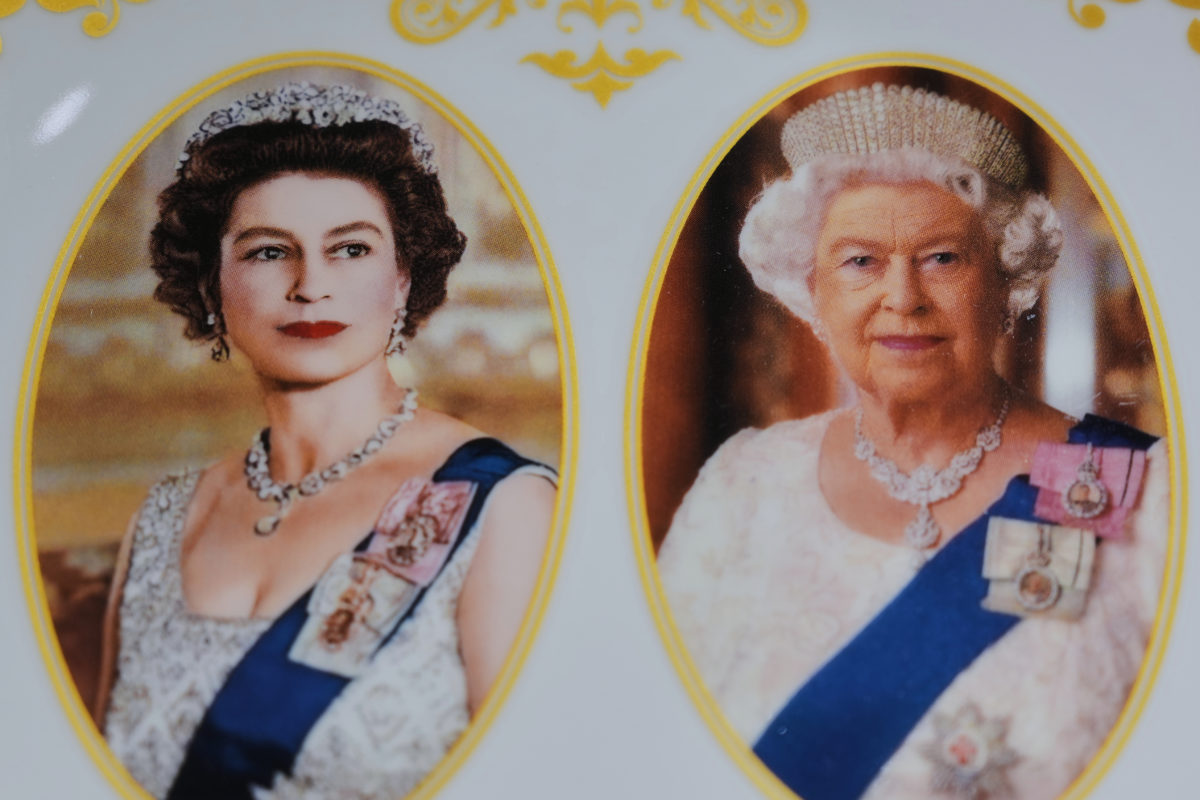
Four years after her death, Queen Elizabeth II remains a central figure in public memory, with her image still widely celebrated across Britain during centenary commemorations marking her birth anniversary.
Centenary Celebrations Highlight Enduring Royal Legacy
Britain is marking 100 years since the birth of Queen Elizabeth II with national events and public tributes.
Public and Royal Events
Commemorations include:
- A reception at Buckingham Palace hosted by King Charles III
- Recognition of centenarians sharing the queen’s birth date
- A memorial garden dedication in Regent’s Park
- Exhibitions showcasing her fashion and public life
These events reflect how the Queen Elizabeth II legacy monarchy continues to shape national identity.
Public Interest in the Late Queen
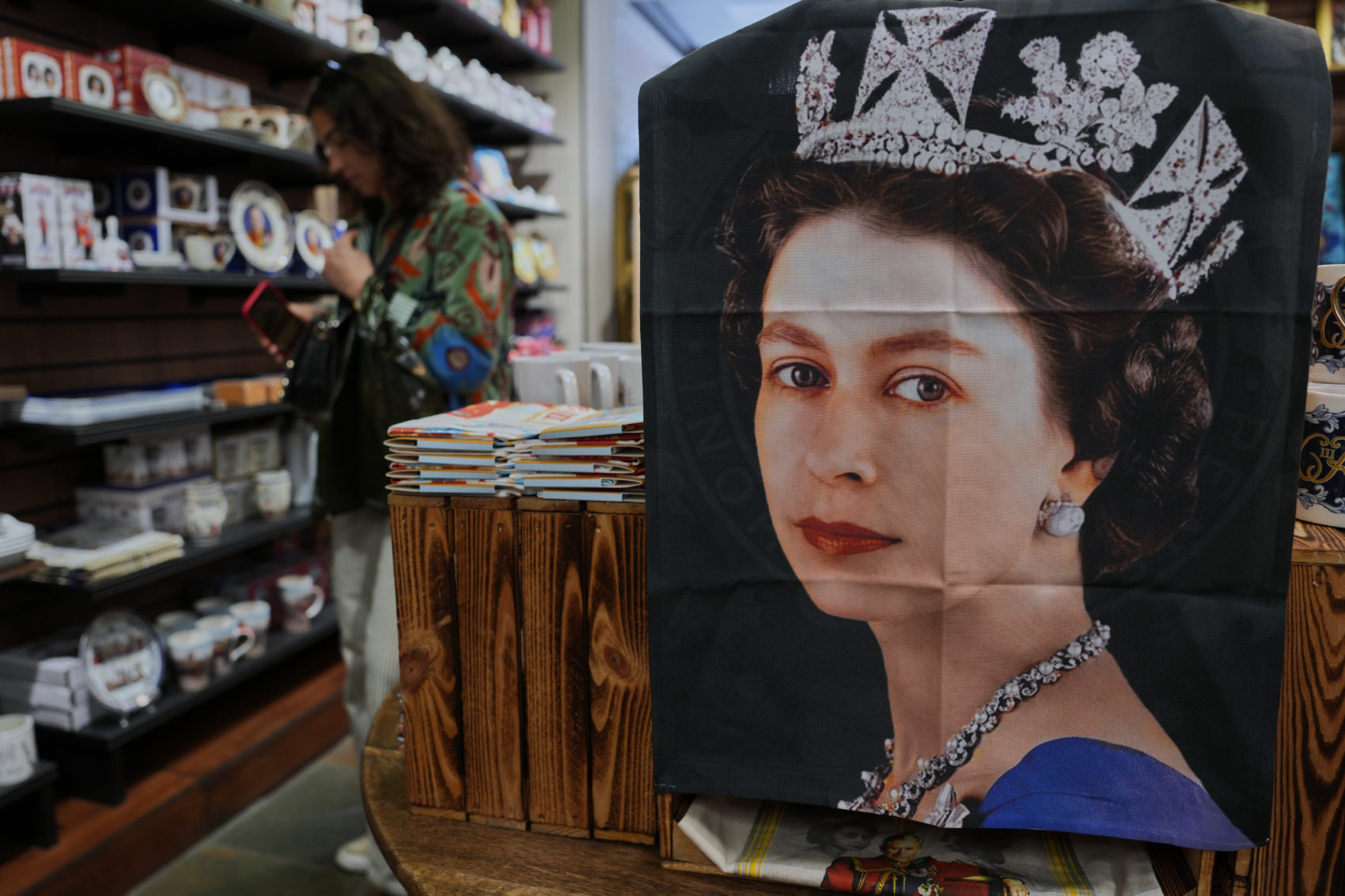
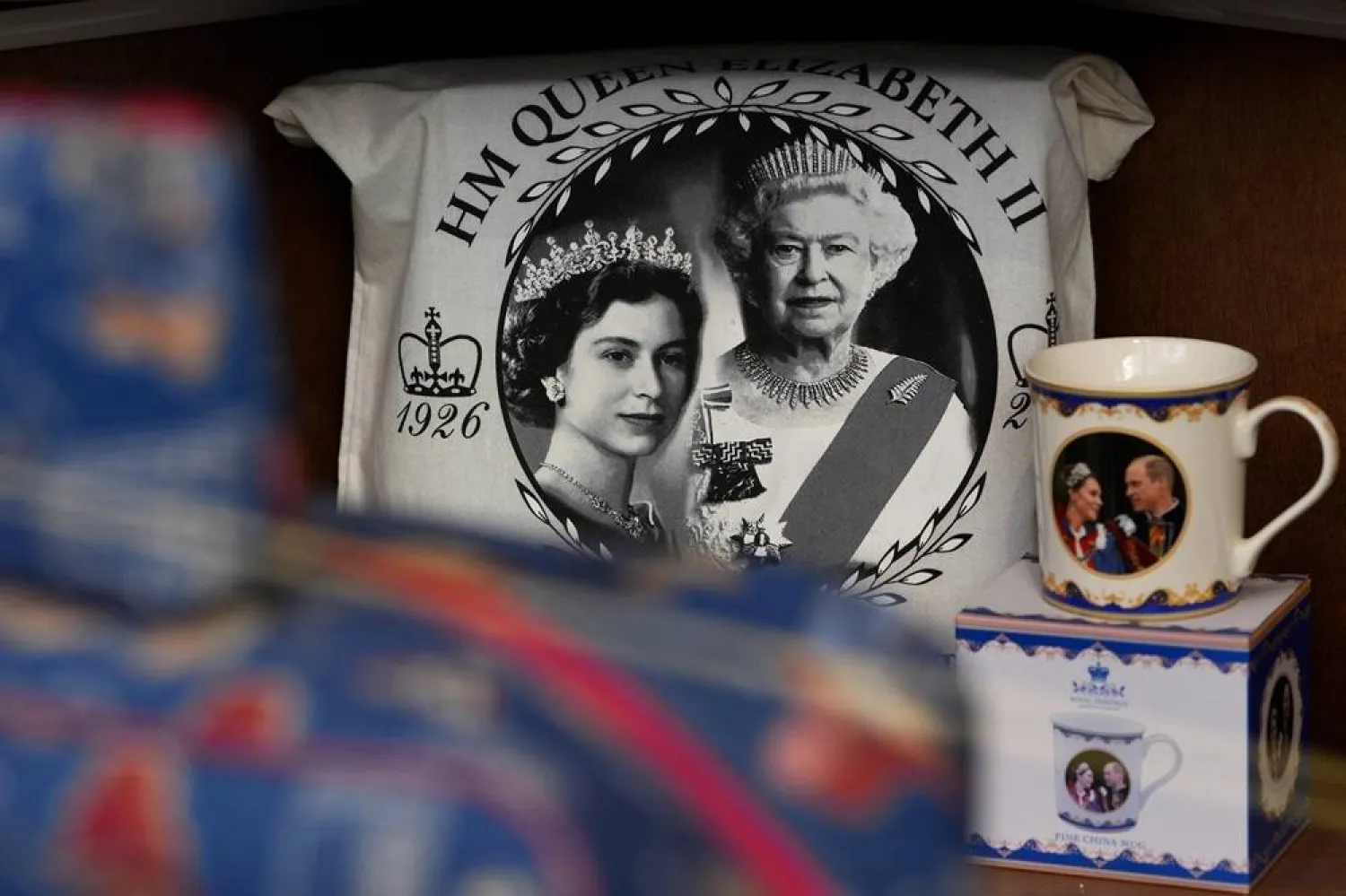
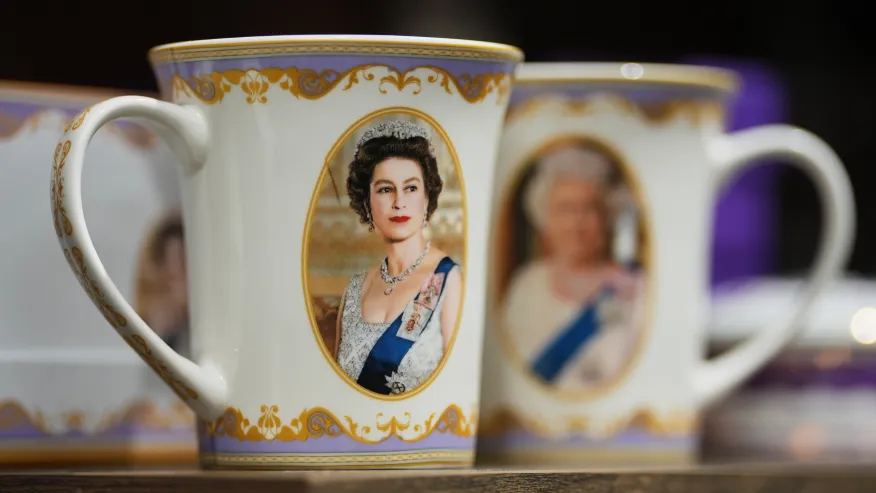
Across London, memorabilia shops report strong continued interest in the late monarch.
- Items featuring Queen Elizabeth II remain popular
- Products featuring King Charles III show lower demand
- Public sentiment continues to favor the late queen’s image
From Princess to Monarch: An Unexpected Path to the Throne
Queen Elizabeth II was not originally expected to become monarch, making her reign one of history’s most unexpected royal successions.
Early Life in London
Born on April 21, 1926, in Mayfair, London, Elizabeth Alexandra Mary Windsor began life far from the throne.
Her early expectations included:
- A private royal lifestyle
- Limited public responsibility
- A life away from political influence
Turning Point in Royal History
Her path changed when:
- King Edward VIII abdicated in 1936
- Her father became King George VI
- She became heir to the throne
This shift laid the foundation for the Queen Elizabeth II legacy monarchy that would later define modern Britain.
A 70-Year Reign That Defined a Nation
Queen Elizabeth II ruled for more than seven decades, becoming one of the most recognizable global figures of the 20th and 21st centuries.
Duties as Monarch
Her reign included:
- Opening Parliament annually
- Hosting international leaders at Buckingham Palace
- Representing Britain on global diplomatic visits
Global Diplomatic Role
She visited more than 100 countries, strengthening ties with:
- Former colonies in Africa and Asia
- European allies such as Germany and Japan
- Long-standing partners like the United States
The Queen Elizabeth II legacy monarchy is strongly linked to this global diplomatic influence.
Cultural Icon and Modern Media Presence
In later years, Queen Elizabeth II became a global cultural figure beyond traditional royal duties.
Pop Culture Moments
Her modern legacy includes:
- Appearance in the 2012 London Olympics opening ceremony sketch with James Bond
- Collaboration with Paddington Bear in a Jubilee celebration
- Increased digital and media presence among younger audiences
Public Image Evolution
She evolved from:
- A young wartime monarch
- To a symbol of stability
- To a national figure representing continuity
Public Debate Over Royal Legacy and Scandals
Despite widespread admiration, the Queen Elizabeth II legacy monarchy also includes criticism regarding unresolved royal controversies.
Controversy Surrounding Prince Andrew
A major issue in her later reign involved:
- Allegations linked to Jeffrey Epstein
- Public scrutiny of royal family decisions
- Questions about institutional accountability
Leadership and Decision-Making Debate
Observers argue that:
- The monarchy faced reputational challenges
- Decisions regarding internal discipline were delayed
- Public trust was affected in some areas
Scholarly and Public Perspectives on Her Legacy
Historians and citizens continue to debate Queen Elizabeth II’s overall impact on Britain.
Academic Views
Experts highlight:
- Her role in stabilizing post-war Britain
- Her influence on national identity
- Her ability to modernize the monarchy while preserving tradition
Public Sentiment
Public opinions remain mixed:
- Many view her as a symbol of unity
- Others question institutional decisions during her reign
- International visitors often describe her as an icon of elegance
The Queen Elizabeth II legacy monarchy remains a subject of ongoing interpretation.
A Monarchy in Transition After Her Death
Since her passing in 2022, the British monarchy has entered a period of transition under King Charles III.
Shifting Public Perception
Changes include:
- Lower public enthusiasm for royal merchandise featuring the current king
- Continued admiration for Queen Elizabeth II
- Ongoing evaluation of the monarchy’s future role
Institutional Continuity
Despite changes, the monarchy continues to:
- Maintain ceremonial duties
- Represent Britain internationally
- Adapt to modern public expectations
Global Significance of Her Legacy
Queen Elizabeth II’s influence extends beyond Britain, shaping global perceptions of monarchy and leadership.
International Impact
Her legacy includes:
- Strengthened diplomatic relationships worldwide
- Representation of continuity in global politics
- Influence on modern constitutional monarchies
Symbol of Stability
She is widely remembered for:
- Long-term national leadership
- Calm public presence during crises
- Non-partisan constitutional role
FAQ Section
Why is Queen Elizabeth II’s legacy still important today?
Her long reign and global influence continue to shape how the British monarchy is viewed and understood.
How is Britain marking her 100th birth anniversary?
Through royal events, exhibitions, and public commemorations including a Buckingham Palace reception.
What controversies affected her legacy?
Some criticism relates to how royal scandals, particularly involving Prince Andrew, were handled.
How did Queen Elizabeth II influence global diplomacy?
She strengthened international relationships through visits and diplomatic engagements across decades.
Conclusion
The Queen Elizabeth II legacy monarchy remains deeply embedded in Britain’s national identity, even a century after her birth. While her reign is widely celebrated for stability, diplomacy, and cultural influence, it also continues to spark discussion about royal accountability and institutional change. Her legacy endures as both a symbol of tradition and a subject of ongoing reflection in modern Britain.
Click here for more news