 0
0
 0
0
Pakistan Urges US and Iran to Extend Ceasefire as Deadline Nears
The Pakistan US Iran ceasefire extension discussion has intensified as Pakistan calls on both the United States and Iran to extend their fragile ceasefire agreement, which is set to expire amid ongoing diplomatic uncertainty.
Islamabad has emphasized dialogue and diplomacy as the only sustainable path toward resolving escalating regional tensions, urging both sides to avoid renewed conflict.

Pakistan Calls for Extension of US-Iran Ceasefire
Pakistan has formally urged Washington and Tehran to continue their ceasefire agreement beyond its current deadline.
Diplomatic Appeal from Islamabad
According to Pakistan’s Foreign Ministry:
- The ceasefire should be extended
- Dialogue must remain the priority
- Regional stability depends on diplomatic engagement
This position reinforces Pakistan US Iran ceasefire extension efforts aimed at preventing renewed escalation.
Focus on Peaceful Resolution
Pakistani officials stressed that:
- Military escalation would worsen regional instability
- Negotiations remain the most viable option
- Continued communication between both sides is essential
High-Level Talks Between Pakistan and United States
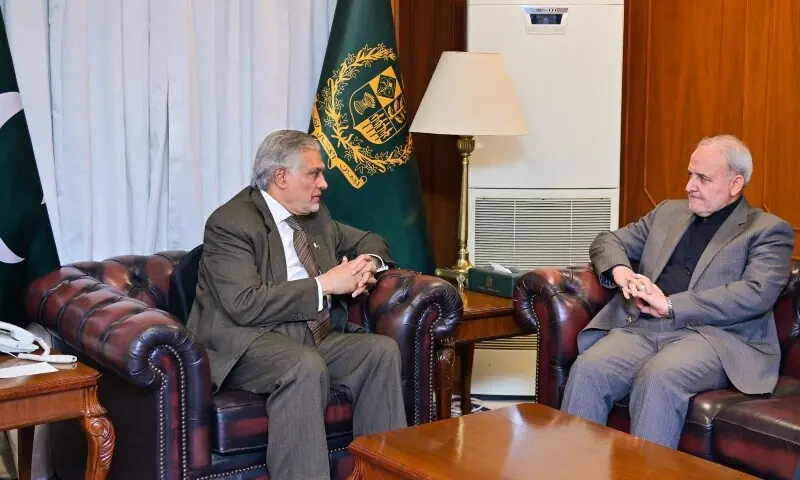
Pakistan’s leadership has engaged directly with US officials regarding the situation.
Meeting in Islamabad
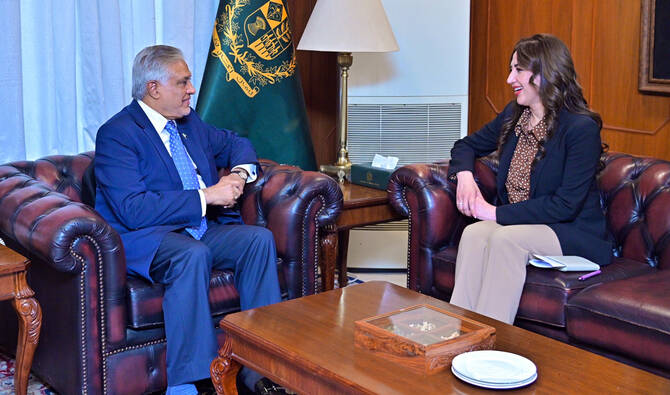
Deputy Prime Minister and Foreign Minister Mohammad Ishaq Dar held discussions with US Chargé d’Affaires Natalie A. Baker.
Key topics included:
- Recent developments in regional tensions
- Importance of diplomatic engagement
- Future steps toward stability
US Response
The US representative reportedly:
- Acknowledged Pakistan’s diplomatic role
- Expressed appreciation for peace efforts
- Supported continued dialogue initiatives
These discussions are central to the Pakistan US Iran ceasefire extension push.
Pakistan’s Role in Regional Diplomacy
Pakistan has positioned itself as a facilitator of dialogue between major international actors.
Diplomatic Mediation Efforts
Islamabad has emphasized:
- Neutral diplomatic engagement
- Encouraging communication between US and Iran
- Avoiding regional escalation
Strategic Importance
Pakistan’s involvement reflects:
- Geographic proximity to conflict regions
- Political interest in regional stability
- Economic and security considerations
Iran-US Ceasefire Situation Near Deadline
The current ceasefire between the United States and Iran is approaching its expiration date, raising concerns about potential escalation.
Time-Sensitive Negotiations
Key developments include:
- A two-week truce nearing expiration
- Uncertainty over extension agreement
- Ongoing diplomatic discussions behind the scenes
The Pakistan US Iran ceasefire extension issue is therefore becoming increasingly urgent.
Risk of Breakdown
If the ceasefire is not extended:
- Military tensions could rise again
- Diplomatic channels may face strain
- Regional stability could be affected
Efforts to Bring Iran Back to Negotiation Table
Pakistan has also been actively encouraging Iran’s participation in further talks.
Calls for Renewed Dialogue
Officials have stressed:
- Iran should participate in upcoming discussions
- Engagement is critical before ceasefire expiry
- Dialogue must remain open and active
Importance of Timing
Pakistan’s Information Ministry noted that:
- Timing is crucial for successful negotiations
- Delays could weaken diplomatic progress
- Early participation could stabilize the situation
These efforts form a key part of the Pakistan US Iran ceasefire extension strategy.
US Position on Ceasefire and Negotiations
The United States has expressed mixed signals regarding the future of the ceasefire.
Statement from US Leadership
US President Donald Trump reportedly stated:
- Confidence in reaching a deal with Iran
- Limited expectation of extending the ceasefire
- Preference for a broader agreement outcome
Diplomatic Outlook
The US approach suggests:
- Focus on long-term agreement rather than extension
- Continued pressure in negotiations
- Military readiness as a strategic factor
Regional Stability Concerns
The potential end of the ceasefire raises broader concerns across the region.
Risks Identified
Experts highlight possible consequences such as:
- Renewed military tensions
- Disruption of diplomatic progress
- Increased uncertainty in regional security
Importance of Mediation
Countries like Pakistan play a key role in:
- Reducing tensions between global powers
- Encouraging diplomatic dialogue
- Preventing escalation into conflict
International Reactions to Ceasefire Situation
The ceasefire discussions have drawn attention from multiple international actors.
Diplomatic Engagement
Several governments emphasize:
- Continued negotiations over conflict
- Avoidance of military escalation
- Importance of regional cooperation
Global Stability Concerns
The situation is closely monitored due to:
- Strategic importance of US-Iran relations
- Impact on Middle East stability
- Broader implications for global security
FAQ Section
Why is Pakistan involved in US-Iran ceasefire discussions?
Pakistan is encouraging diplomatic dialogue to help maintain regional stability and prevent escalation.
What is the current status of the US-Iran ceasefire?
The ceasefire is nearing its expiration, with ongoing discussions about whether it will be extended.
What is Pakistan’s main position on the issue?
Pakistan strongly supports extending the ceasefire and prioritizing diplomacy over conflict.
Could the ceasefire end without extension?
Yes, current statements suggest uncertainty, and both diplomatic and military outcomes remain possible.
Conclusion
The Pakistan US Iran ceasefire extension effort highlights Islamabad’s active diplomatic role as tensions rise between Washington and Tehran. With the ceasefire deadline approaching, calls for dialogue and peaceful resolution have intensified. The coming days will be critical in determining whether negotiations continue or the region moves toward renewed uncertainty.
Click here for more news