0
0
 0
0
The OLED MacBook Ultra 2026 is expected to push major changes in laptop display technology as Apple moves toward hybrid OLED panels designed for higher brightness, improved efficiency, and thinner laptop designs. This development could influence how future MacBook models and competing laptops are built.
Hybrid OLED Technology Drives New Laptop Standards
The upcoming OLED MacBook Ultra 2026 is expected to use hybrid OLED architecture combining oxide TFT and tandem OLED layers. This structure improves display quality while reducing energy consumption.

Key Advantages of Hybrid OLED
Hybrid OLED panels offer several improvements over traditional OLED screens:
- Higher brightness levels
- Better power efficiency
- Longer panel lifespan
- Reduced risk of burn-in
Samsung’s Role in Display Production
Samsung Display is expected to produce the OLED panels used in Apple’s next-generation MacBook lineup. The company has been expanding advanced OLED production lines to support large laptop displays.
Market Impact of OLED Laptop Adoption
The OLED MacBook Ultra 2026 is expected to accelerate adoption of OLED laptops across the industry.
Industry Shift Toward OLED
Analysts predict that hybrid OLED technology will rapidly grow in market share as more manufacturers adopt it for premium laptops.
Key trends include:
- Expansion of OLED in premium laptops
- Increasing demand for thinner devices
- Stronger focus on energy efficiency
- Growth in high-brightness display panels
Why Apple Influences the Market
When Apple introduces a new display technology, it often becomes an industry standard, pushing competitors to follow similar designs.
Design Changes Expected in Future MacBooks
Beyond display upgrades, the next MacBook generation is expected to feature major design improvements.
Thinner and Lighter Build
The next-generation MacBook design is expected to prioritize portability, with:
- Reduced chassis thickness
- Lighter weight construction
- Improved thermal efficiency
Possible Camera Redesign
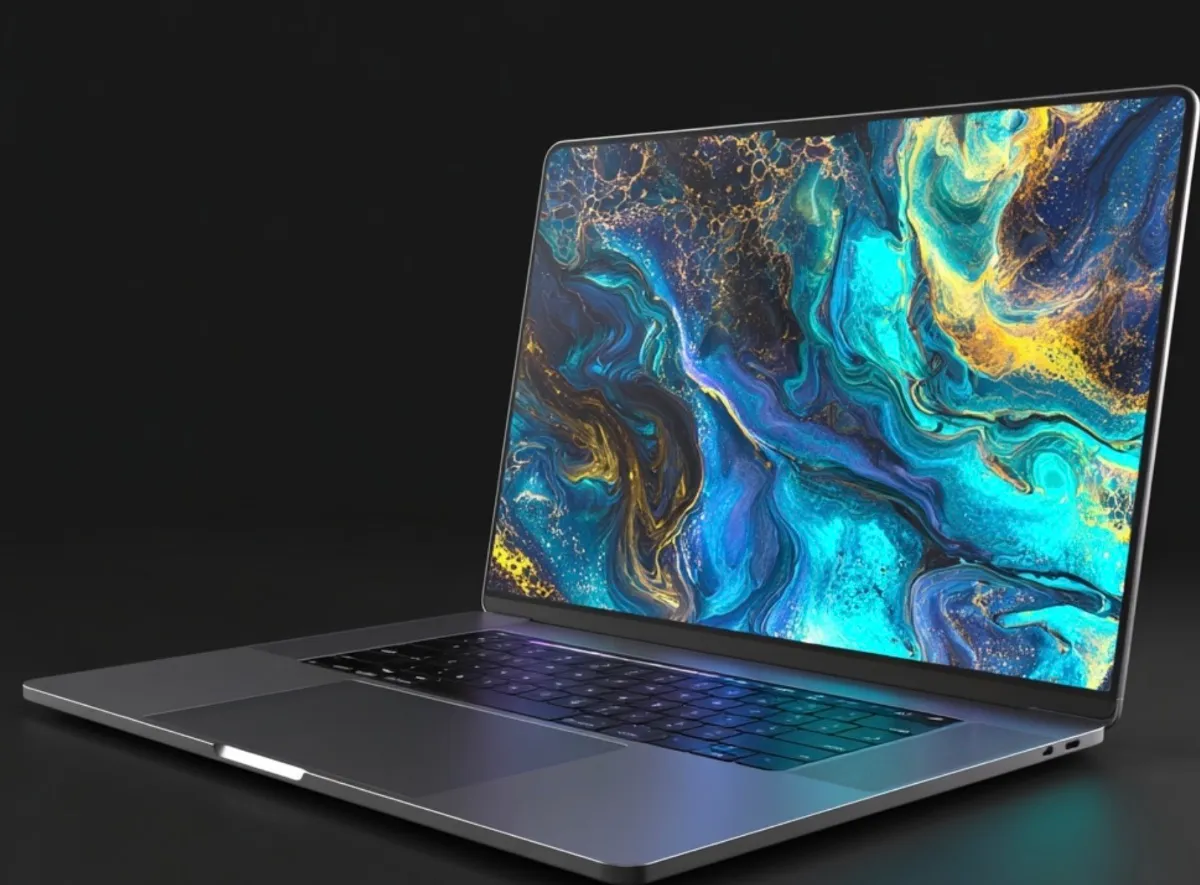
Reports suggest a redesigned front camera system that may reduce or replace the current notch design with a smaller cutout.
Performance and Hardware Upgrades
The OLED MacBook Ultra 2026 is expected to be powered by next-generation Apple silicon chips.
Expected Performance Improvements
Future MacBook chips are likely to deliver:
- Faster CPU and GPU performance
- Improved AI processing capabilities
- Better energy efficiency under heavy workloads
Battery Life Optimization
Despite higher display performance, efficiency improvements in both hardware and display technology are expected to maintain strong battery life.
Touchscreen Functionality Possibility
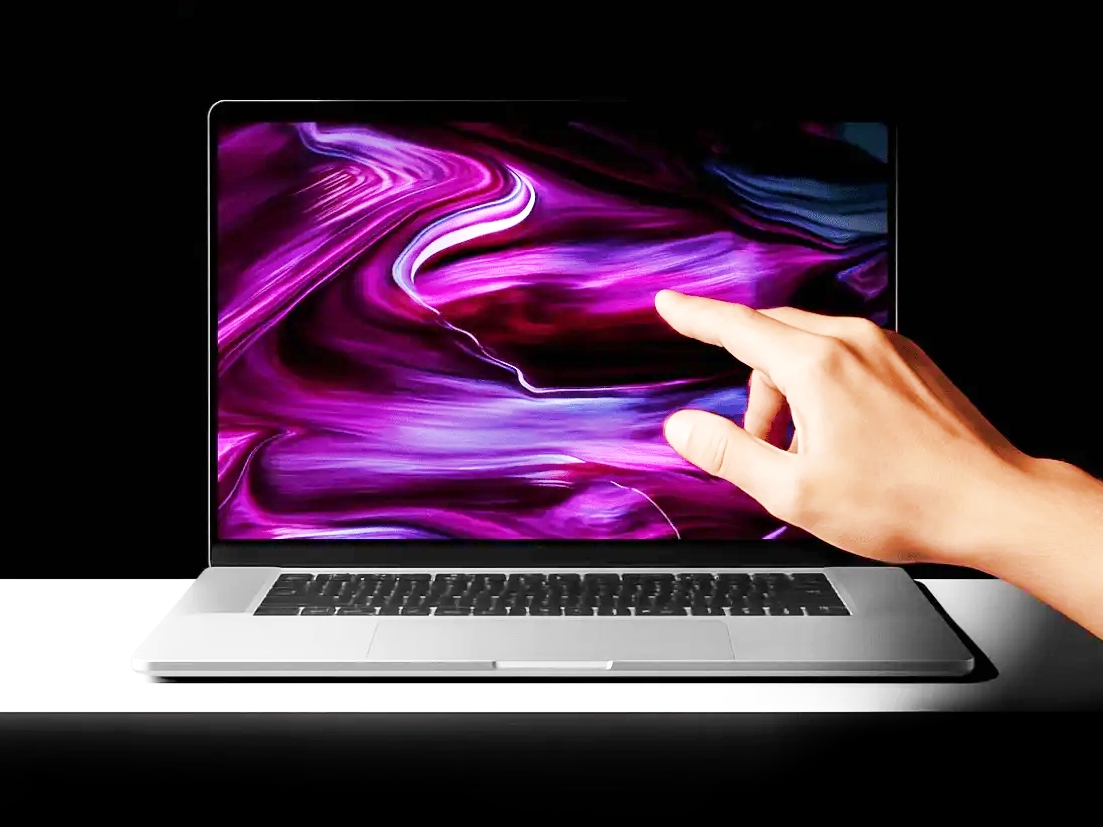
There are also reports that Apple may introduce touchscreen support in future MacBook models.
Potential Benefits of Touch Support
If included, touchscreen functionality could enable:
- More flexible creative workflows
- Enhanced productivity features
- Hybrid laptop-tablet use cases
Release Timeline Expectations
The OLED MacBook Ultra 2026 is expected to launch between late 2026 and early 2027 depending on production readiness and supply chain conditions.
FAQ
What is the OLED MacBook Ultra 2026?
It refers to Apple’s rumored next-generation MacBook with hybrid OLED display technology.
What makes hybrid OLED different?
It combines multiple OLED layers to improve brightness, efficiency, and durability.
Will the new MacBook be thinner?
Yes, reports suggest a thinner and lighter design compared to current models.
When will it be released?
It is expected between late 2026 and early 2027.
Conclusion
The OLED MacBook Ultra 2026 could mark a major shift in laptop display technology, accelerating hybrid OLED adoption across the industry while improving design, performance, and efficiency in future MacBook models.
PLEASE CLICK HERE FOR MORE NEWS